Last updated November 22, 2026
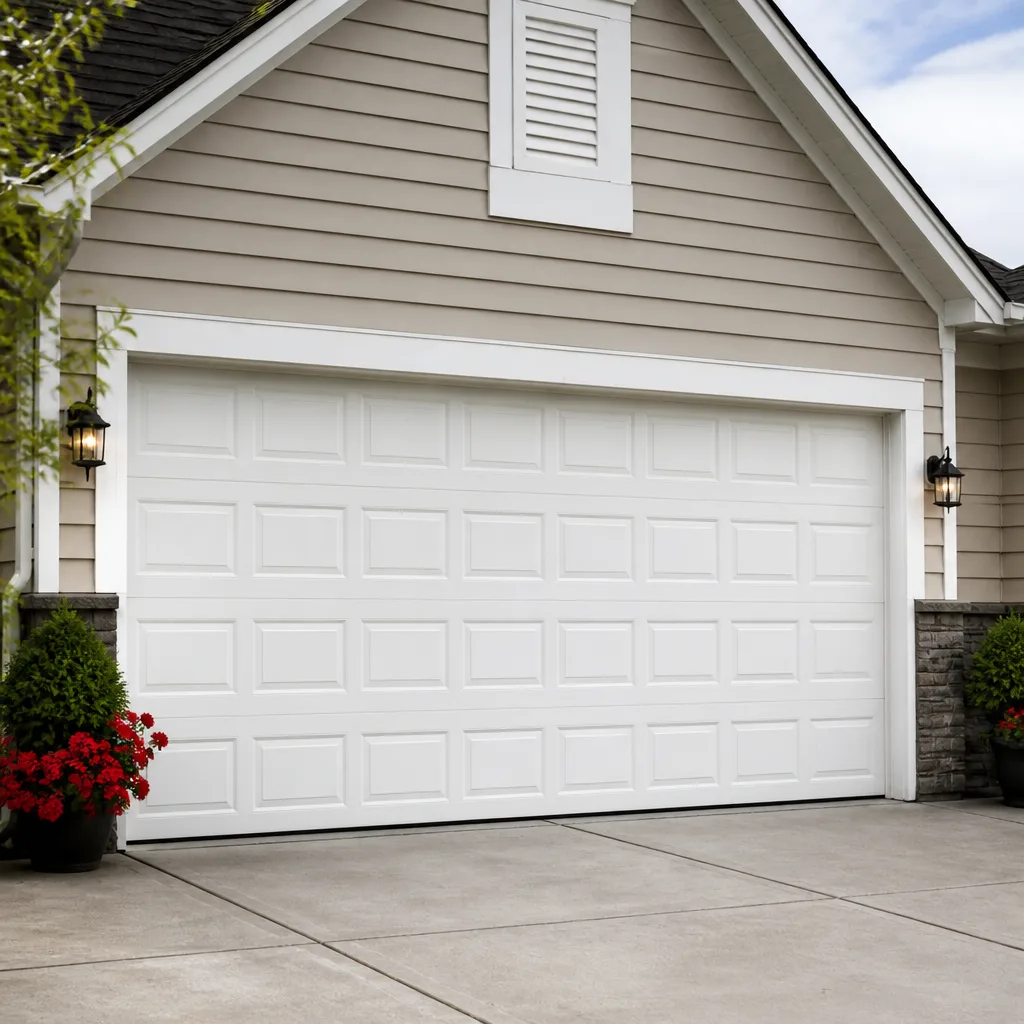 Raised-panel steel
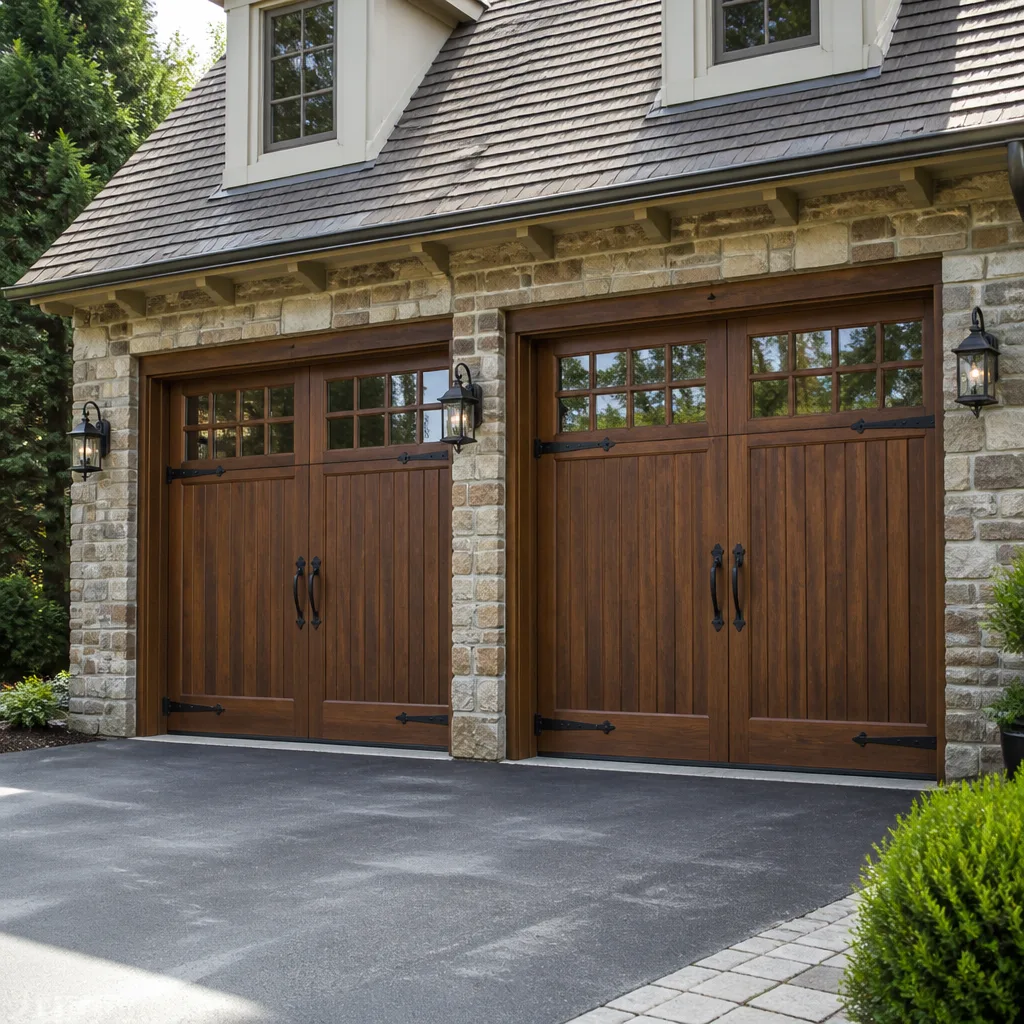 Carriage house
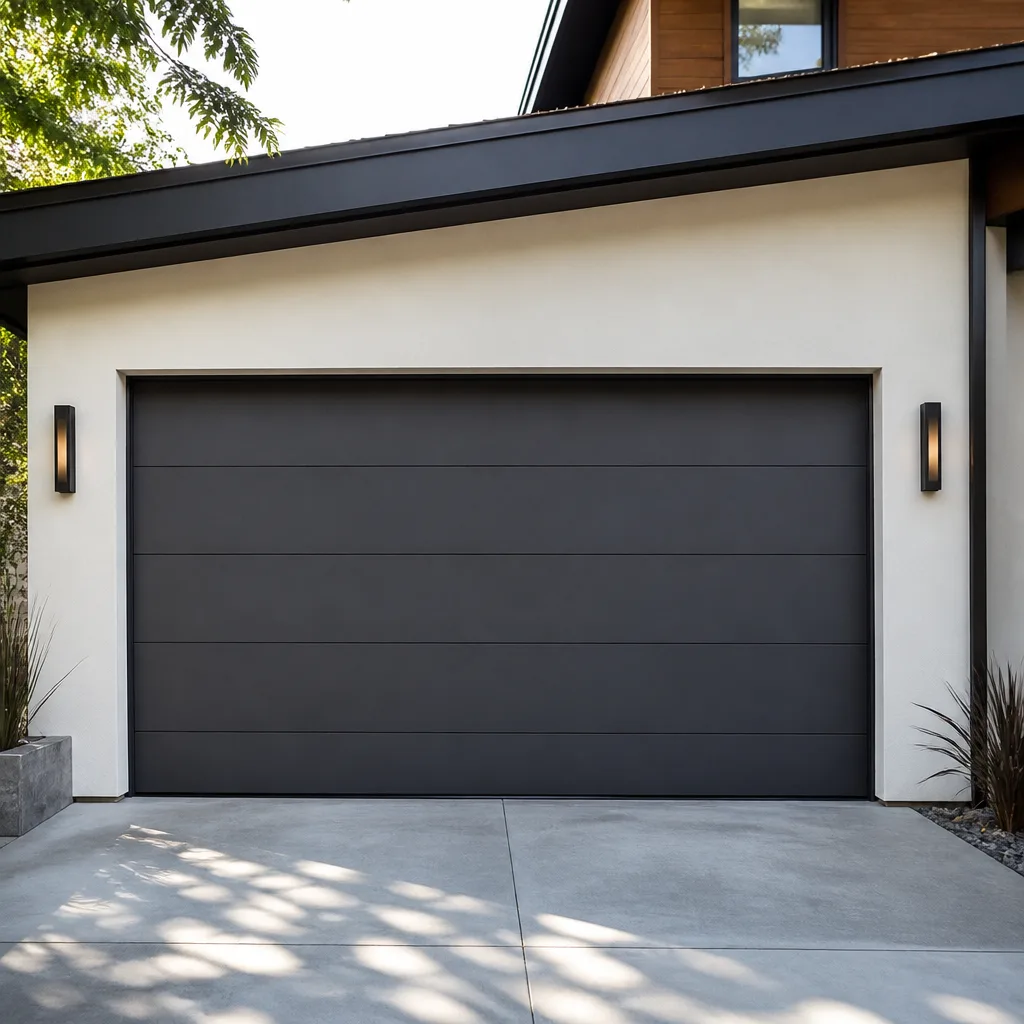 Modern flush
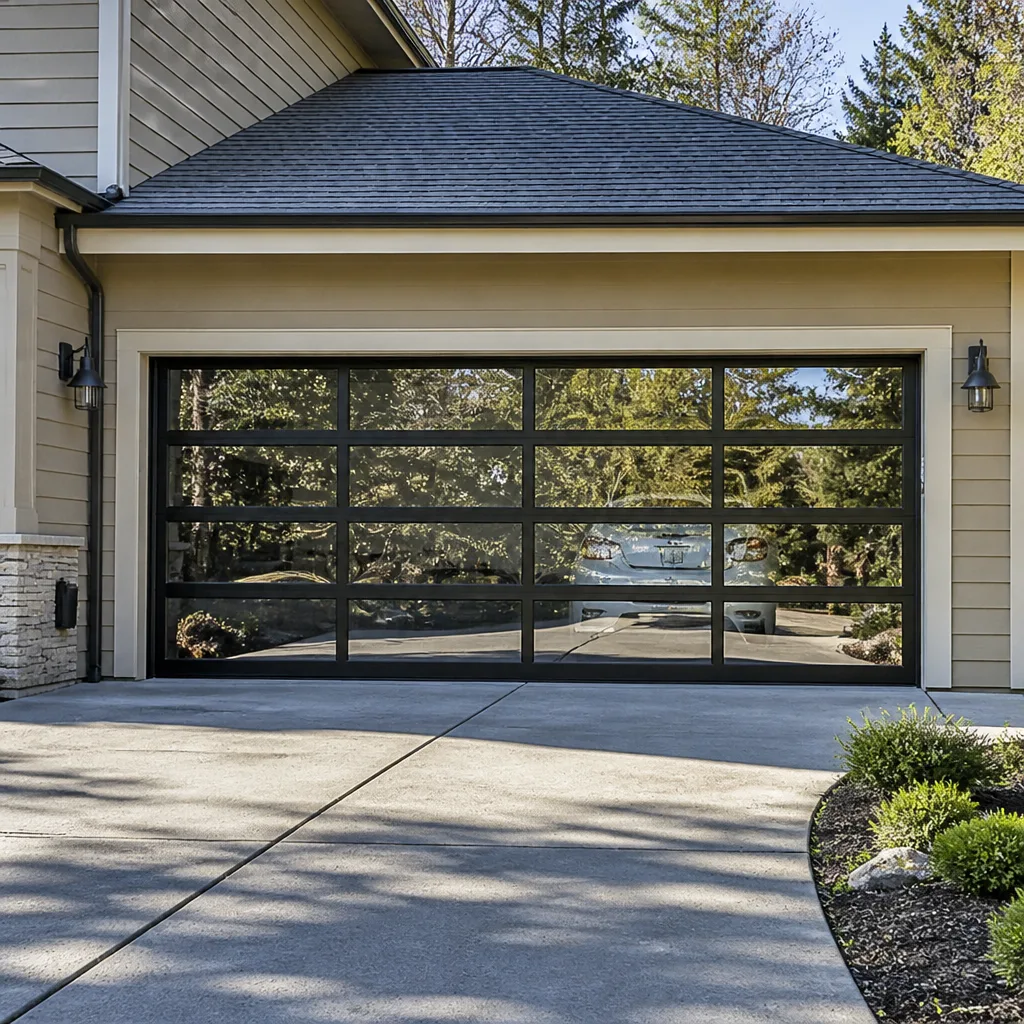 Full-view glass
 LiftMaster openers
 Chamberlain openers
Full 25-point door and opener safety check with every visit - springs, cables, rollers, tracks, and your LiftMaster or Chamberlain opener included
You get a price before we start. It does not change when the pro arrives.
Get your free estimateGarage Door Permits, Codes & Inspections in Palm Coast, FL: What You Need to Know
Most homeowners assume a garage door swap is the same as painting a room: pick your style, book the installer, done. In Palm Coast, the paperwork matters more than the panel color. Flagler County’s rules for garage door replacement are applied unevenly and explained poorly online, which is exactly why so many people skip a permit without realizing what they just gave up. A permitted, inspected install keeps your wind mitigation insurance credit intact. A quiet, undocumented one can put that credit, and eventually your sale, at risk. This guide walks through when you need a permit in Palm Coast, what Florida wind codes demand of your door, how the inspection actually goes, and where the whole process tends to break down.
Quick Answer
A garage door replacement in Palm Coast generally requires a permit through Flagler County Building Services when you’re changing the door’s size, its wind rating, its anchoring or its structural opening, and it must meet Florida Building Code wind-load requirements for this area’s design wind speed zone. A true like-for-like swap of an identical rated door can sometimes be exempt, but the exemption depends on the specifics of your door and is not safe to assume. The only reliable way to know for your address is to ask Flagler County’s building department before you order a door. Palm Coast Garage Door Repair Pros can tell you what the job will involve and the local pro can handle the install to code.
Styles & brands we work with
- Raised-panel steel
- Carriage house
- Modern flush
- Full-view glass
- LiftMaster openers
- Chamberlain openers
Table of Contents
- When a garage door permit is required in Palm Coast
- When like-for-like replacement may be exempt
- Florida Building Code wind requirements for Palm Coast doors
- How the Flagler County inspection process works
- Your wind mitigation credit and form OIR-B1-1802
- Unpermitted garage doors and the 4-point inspection
- Common mistakes to avoid
- When to call a professional
When Is a Garage Door Permit Required in Palm Coast?
A permit is typically required in Palm Coast when a garage door project changes anything about how the door performs, not just how it looks. Swapping a door, altering the opening, changing the rated wind pressure, or moving the anchors all tend to trigger a permit through Flagler County Building Services. A fresh coat of paint does not. The dividing line is whether the door’s structural role on the house changes.
Here’s how we break it down for homeowners who ask. These are the situations where Flagler County generally expects a permit application:
- New door of a different model or rating. Any change in the door’s design pressure rating or wind classification counts as a structural change, not a cosmetic one.
- Change in door size or opening dimensions. Widening, narrowing or raising the opening changes the header, the tracks and the anchoring.
- Replacing the tracks, brackets or anchors. The mounting hardware holds the door against wind load, so it’s part of the structural system.
- Changing the door’s material. Moving from wood to steel or from a light panel to an insulated one alters weight and load.
- A door that never had a documented permit. If the previous install left no paper trail, a proper install should be permitted so the record is clean going forward.
- Any structural modification to the garage opening. Cutting into the header, reinforcing framing or moving posts is clearly a permitted activity.
If you’re only switching the opener, that’s a different category. Motor and opener replacement generally falls outside the door’s structural permit, though the door still needs to operate correctly against its rated tension. For that side of the work, our garage door opener repair page covers the brand-specific service side. When the door itself is being changed in any structural way, assume you need to pick up the phone and ask Flagler County rather than assume otherwise.
When a Like-for-Like Replacement May Be Exempt
A like-for-like replacement means a new door that is identical to the one coming out in size, model, material, wind rating and anchoring footprint. In some cases like that, Flagler County’s building department may accept the swap without a full structural permit. In our experience, though, homeowners get tripped up because “identical” is doing a lot of work in that sentence.
Three things frequently disqualify a job from the simple-swap bucket:
- The replacement door isn’t truly identical. Same size, different manufacturer, different rated pressure, or a newer model number that no longer matches the original spec sheet. Any of those can push the project back into permit territory.
- The original was never documented. A door installed by a previous owner without a permit has no comparison spec on file. That means there’s nothing to be “like” in the eyes of the building department.
- The anchoring changes. Even a matching door often gets new anchors because the old ones are stressed or corroded. New anchor points plus new brackets means the wind-load attachment is being altered, which typically requires review.
Our advice for Palm Coast homeowners is simple: do not assume an exemption from a brochure or a forum post. Call Flagler County Building Services with the address and the door spec and ask directly. Ten minutes on the phone can save a lot of cleanup later. A local pro who installs in Palm Coast regularly will know the current procedure and can walk the paperwork with you, which is part of why we connect homeowners to vetted local installers rather than hand them a door and wish them luck.
Florida Building Code Wind Requirements for Palm Coast Garage Doors
Garage doors in Palm Coast sit in a wind speed zone where the Florida Building Code expects doors to hold up to strong design wind pressure, on the order of 120 mph design pressure as a general benchmark for this part of the state. That is why the door’s rated wind classification matters more than the color or panel style. The code treats a garage door as part of the building envelope, and the exposed wall it sits in has to manage uplift and pressure like any other exterior surface.
What the code is really testing comes down to a few things:
- The door’s design pressure rating. Every rated residential door carries a pressure rating, and the door has to be rated at or above what the code expects for its location.
- The anchoring and fasteners. Uplift loads get transferred to the framing through the door’s brackets and anchors, so the anchors matter as much as the panel rating.
- The reinforcement hardware. Many rated doors rely on struts, larger hinges and heavy-duty brackets to reach their rating, and those parts must be installed exactly as the manufacturer specifies.
- The frame and opening itself. If the opening’s framing or header has soft or weak spots, the code-compliant door still has nothing solid to hold onto.
For a Palm Coast install, the rated door plus the correct anchoring system is the whole point. A builder-grade door rated below the code requirement can technically open and close just fine, but it’s not compliant for wind, and an inspector will flag it. When we help homeowners spec a replacement, we look at the door’s rating label and the anchoring details before we talk about style. Brands like Clopay and LiftMaster live in this world every day, and the brand-specific spec sheet is where the compliance details actually sit. Our technicians have up to 8 years of experience reading those sheets and matching them to the door in the driveway.
One safety note: the door’s anchoring and the torsion hardware are load-bearing systems. Never pull a rated door’s brackets or springs apart to inspect them yourself; that’s a trained job, and the springs carry serious stored force. For the mechanical side of the door, our garage door spring repair page explains how a professional approaches it.
How the Flagler County Inspection Process Works
Once a permit is pulled, a garage door install in Palm Coast typically goes through a built-in inspection step before the job is signed off. The process usually runs like this:
- Submit the permit application. The application goes to Flagler County Building Services with the door spec, product approval, wind rating, and the installation details showing the anchoring method.
- Schedule the install. The new door is ordered and the local pro installs it to the approved spec, including the rated brackets and reinforcement hardware.
- Request the inspection. When the install is complete, the permit holder requests the inspection so the county can verify the work against the approved drawings.
- The inspector visits the property. The inspector confirms the door model and rating, checks the anchoring and brackets, verifies the hardware matches the approved spec, and confirms the door operates cleanly.
- Close the permit. When everything matches, the inspection is approved and the permit closes, giving you a documented record of the install.
What inspectors actually focus on is usually less glamorous than homeowners expect. They aren’t checking paint or panel design. They check that the door carries the rated label tied to your application, that the anchors and brackets are installed per the approved spec, that safety hardware is present, and that the door opens and closes without issue. A gap between the spec and the door on your wall is the single most common reason a job fails an inspection, which is why getting the paperwork and the door order aligned on day one saves a lot of time later.
If your home is in one of Palm Coast’s many subdivisions with strict architectural requirements, check those alongside the county rules. Architectural review committees and the building department are separate gates, and clearing one doesn’t clear the other. The county cares about the structural and wind performance. Your HOA cares about the look.
Your Wind Mitigation Credit and Form OIR-B1-1802
This is where the permit story connects to your wallet. In Florida, homeowners can submit a wind mitigation inspection form, OIR-B1-1802, to their insurer to demonstrate wind-resistant features on the home. Carriers, Citizens Insurance included, use that form to help set premiums, and a rated garage door with documented anchoring can be one of the qualifying features. The word documented is what matters. A door installed with a permit and inspection produces the paper trail your inspector can rely on. A door installed off the books may not count for the credit, because there’s no record proving the rating, the anchoring or the date of installation.
Flagler County’s permit and inspection process is, in effect, your wind mitigation evidence. A closed permit gives your insurer a verifiable record that a rated door was installed to the correct standard. Without it, the door might still be perfectly good, but the insurer has less to go on, and the credit can be reduced or withheld. We’ve seen homeowners lose more in premium adjustment over a couple of years than the permit itself would have cost. If your current policy leans on a wind mitigation credit, then every exterior structural change to your home should be permitted, documented and photographed. The paperwork isn’t bureaucracy for its own sake; it’s the file your insurance company reads when it prices your policy.
What Happens at a Home Sale If the Door Was Never Permitted
An unpermitted garage door replacement doesn’t usually hurt anything until you try to sell. That’s when the record gets pulled. Many insurers in Florida request a 4-point inspection before writing a new policy on an older home, and a buyer’s inspector looks closely at structural changes like a replaced door. If the door shows in the record as newer than what the county has on file, questions start.
What a buyer tends to ask for, in order:
- Proof of the door replacement. A closed permit or a documented install, not a verbal “the previous owner did it.”
- Verification of the door’s rating. The rated label and pressure rating need to match the home’s wind zone.
- An explanation of the anchoring. Any inspector worth hiring will look at brackets, anchors and reinforcement.
- A path to remedy if the record is missing. That means either a retroactive permit review through Flagler County or a documented upgrade before closing.
A missing record can delay a closing or force renegotiation. In our experience the fix is always cheaper before the sale than during it. If you’re planning a Palm Coast door replacement with resale in mind, treat the permit as part of the cost, not an optional add-on. The same applies to the surrounding work: the door install is one piece of a larger project, and our garage door repair page covers the service side if a door ever needs to be brought back to proper working condition before closing.
What a Compliant Palm Coast Garage Door Installation Looks Like
A code-compliant install in Palm Coast starts with the spec sheet and ends with a closed permit, not the other way around. The steps below are what a well-organized job typically involves, from the first call through inspection day.
- Confirm the requirement. The homeowner or the local pro calls Flagler County Building Services with the address and describes the scope to get the permit question answered directly.
- Match the door to the wind zone. The door model must carry a design pressure rating suitable for the area’s wind requirements, and its hardware must match the rated assembly.
- Prepare the permit application. The application goes in with the product approval, rating documentation and installation details.
- Measure and order. The opening is measured carefully, and the door is ordered to the exact size, rating and hardware package on the approved paperwork.
- Install to the approved spec. The door is installed with the rated brackets, anchors and reinforcement the spec calls for. Skimping on hardware is what fails an inspection.
- Coordinate the inspection. The permit holder requests the visit and the inspector verifies the door rating, anchoring and operation.
- Keep the records. The closed permit and photos are kept for insurance and future resale.
When we connect a Palm Coast homeowner to a local installer, this is the sequence we expect the pro to follow, and it’s what keeps a technically correct install from becoming a paperwork failure. Brands matter here too. If you’re replacing with a LiftMaster or Genie opener alongside a Clopay door, the opener and door have to work together, and the rated assembly is what goes on the permit. An opener swap on an existing door is a separate project from the door replacement, but the two should be planned together so the final system works.
See the difference
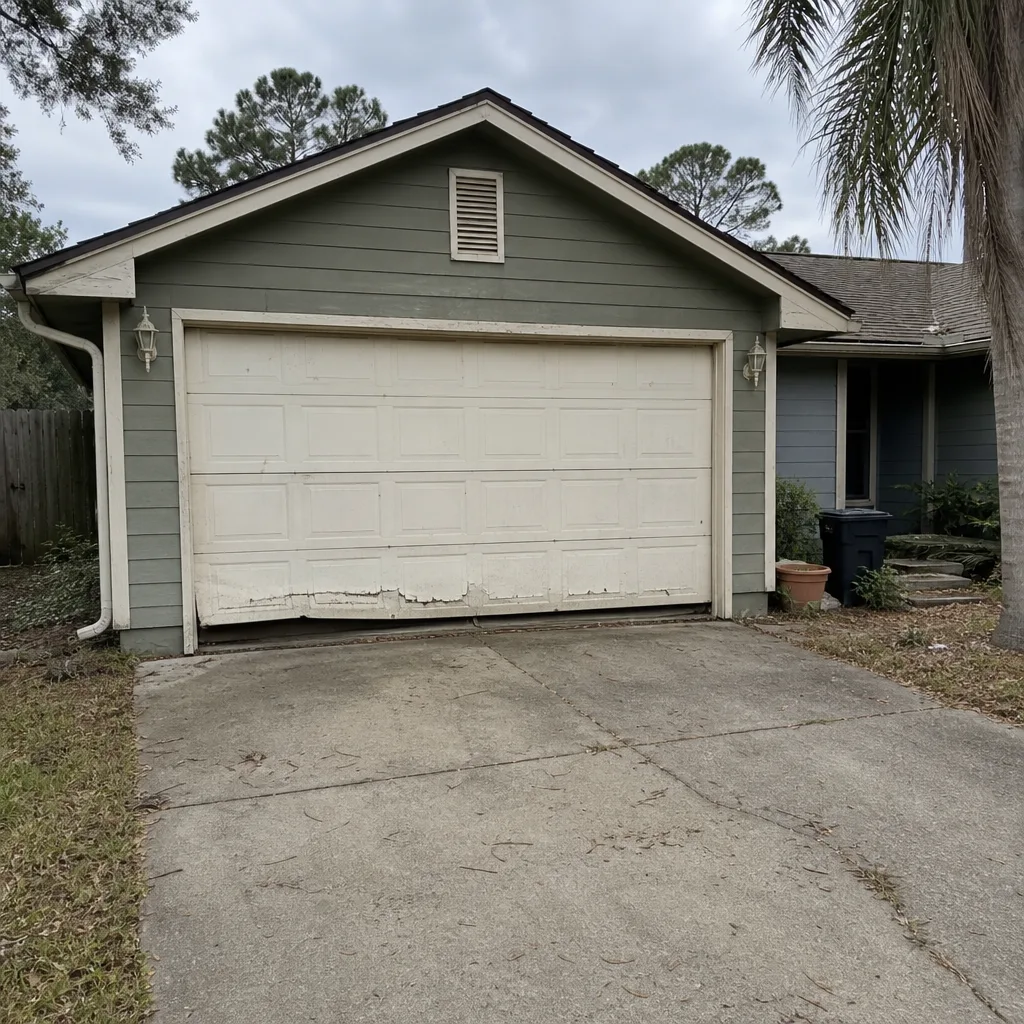 Before
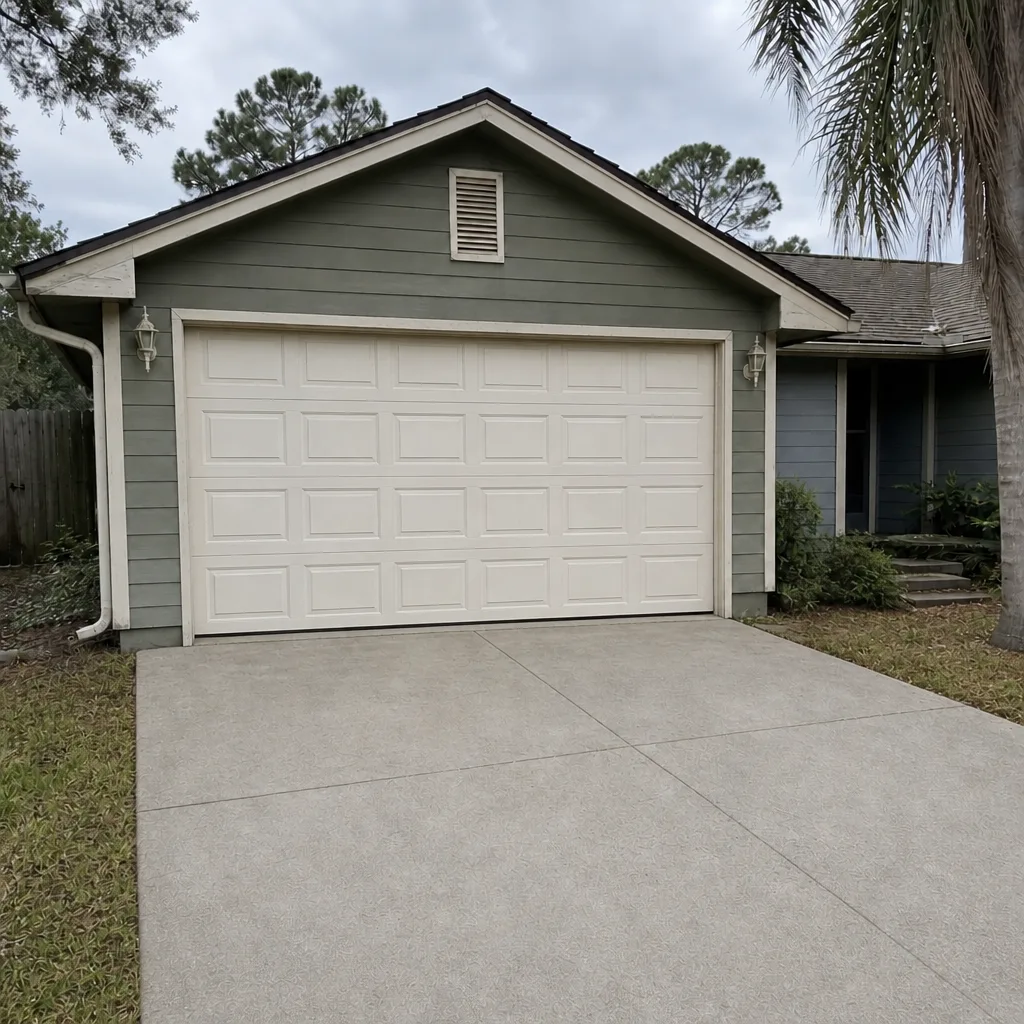 After
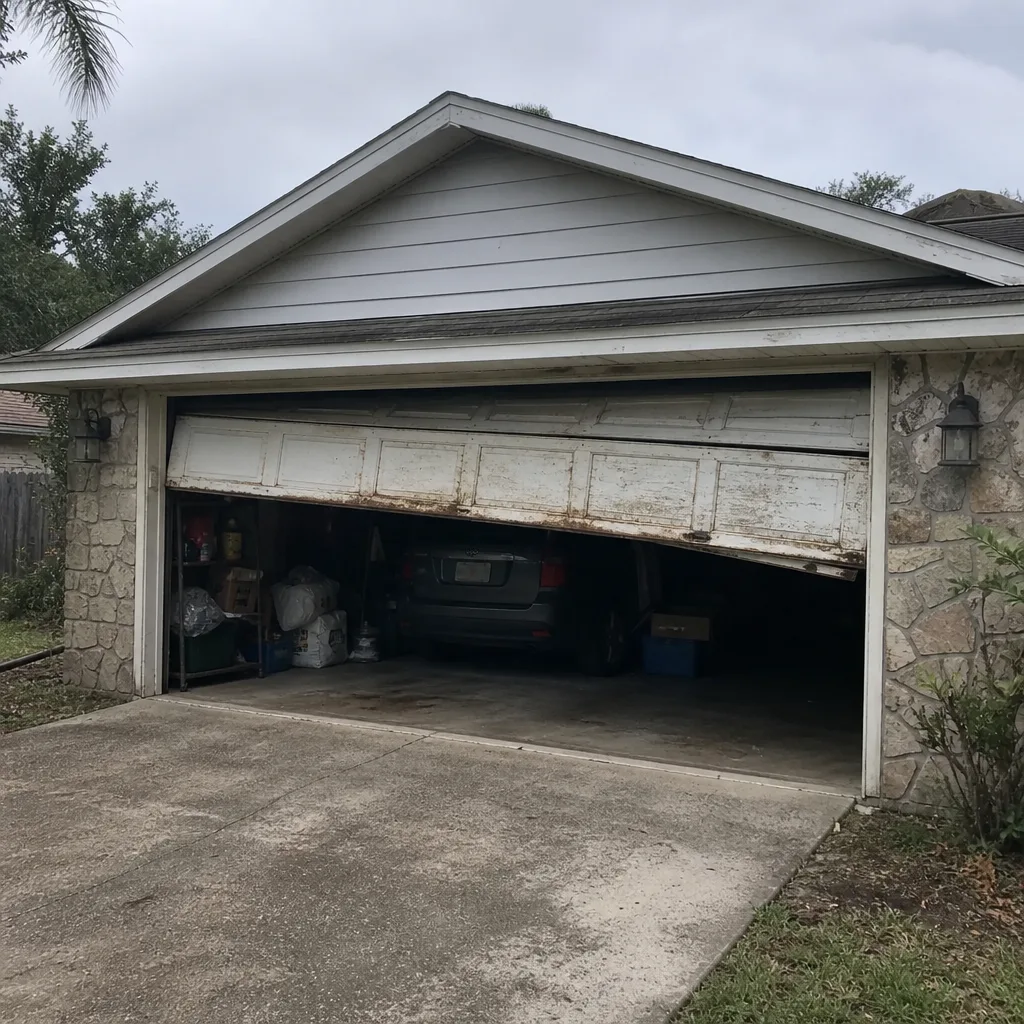 Before
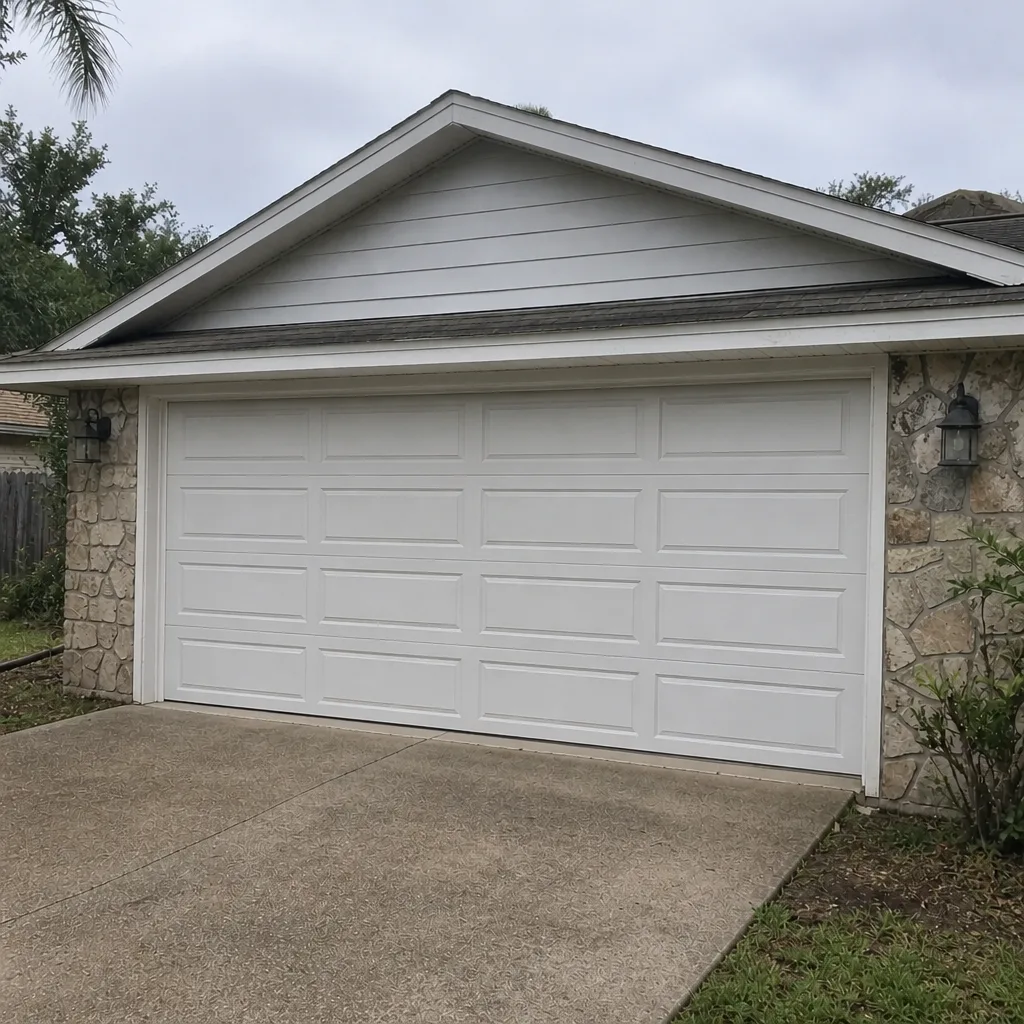 After
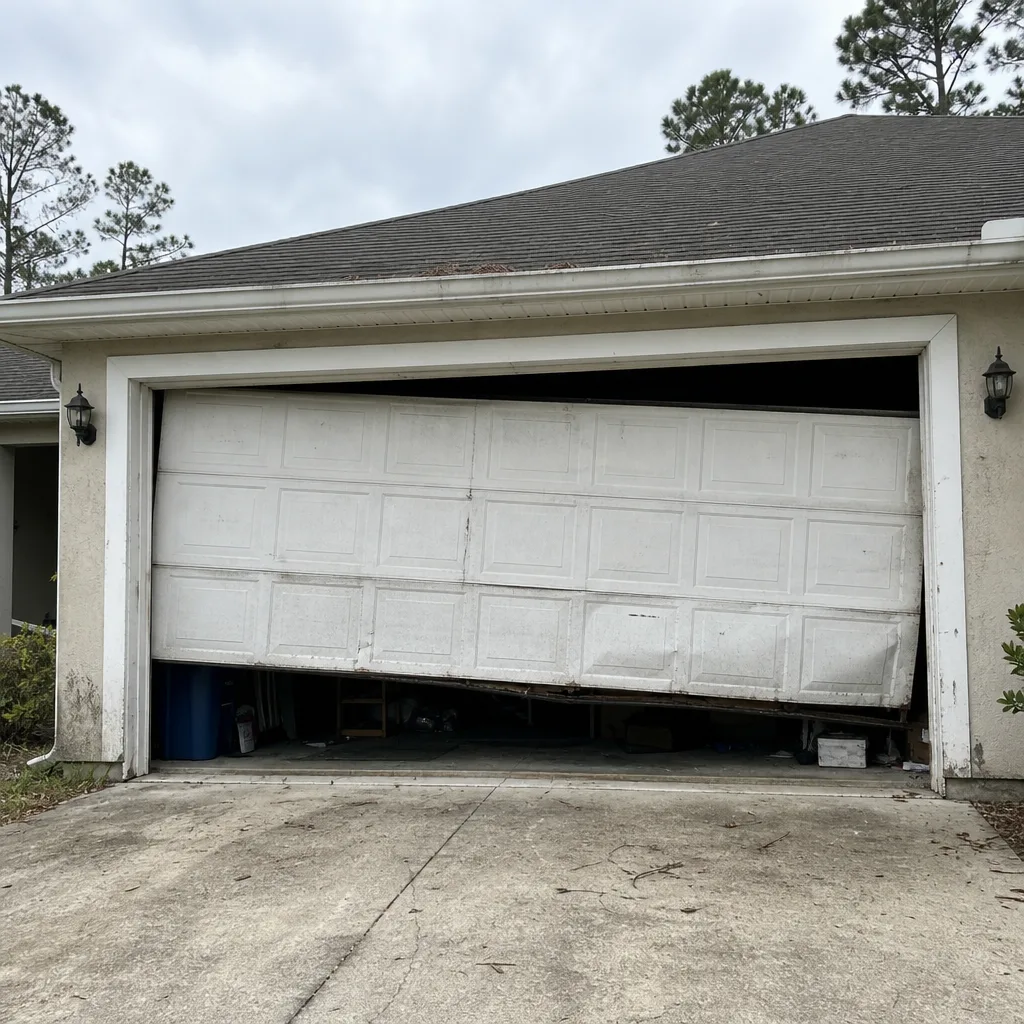 Before
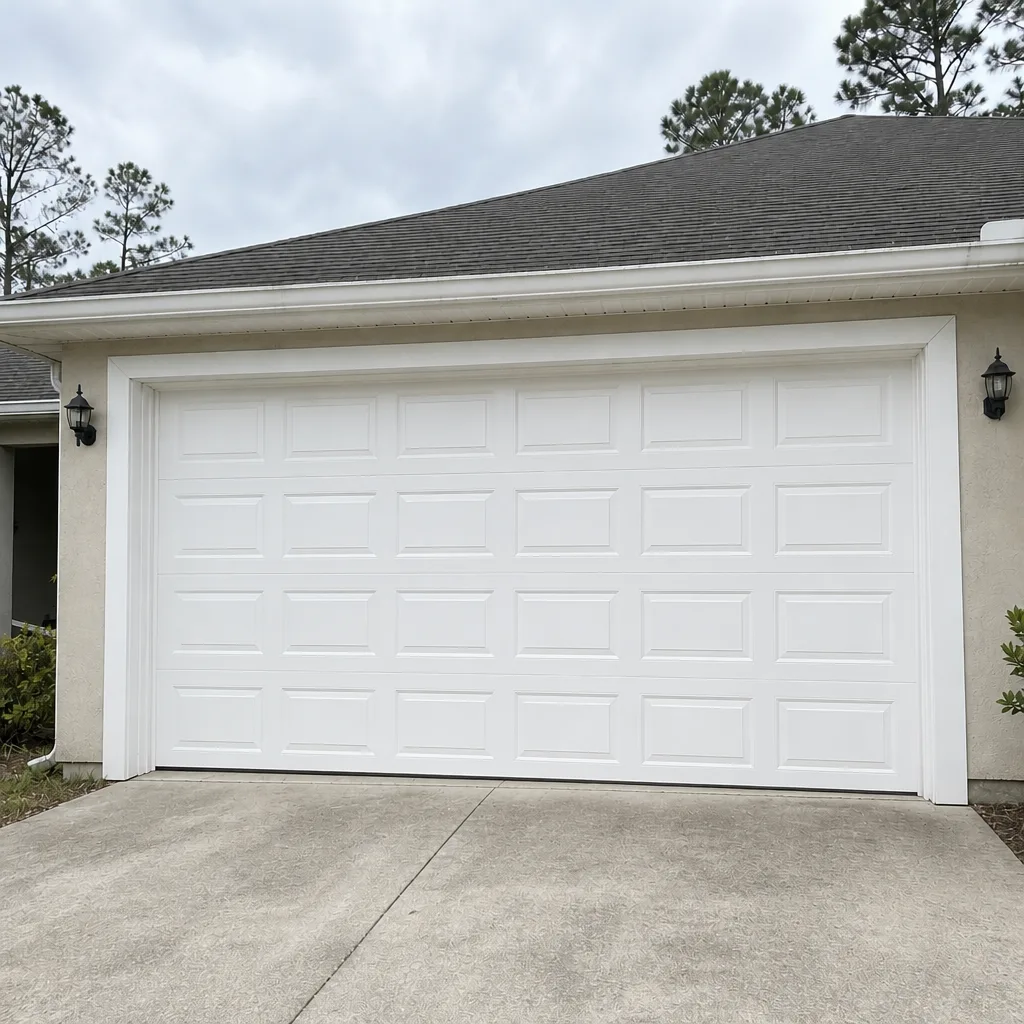 After
Common Mistakes to Avoid
- Assuming the permit is optional. A door that works fine on day one can still cost you at insurance renewal or resale. Ask the county before you order, not after.
- Skipping the wind rating check. A budget door rated below the code requirement for this wind zone can fail inspection and cost more to replace than doing it right the first time.
- Treating HOA approval as building approval. Architectural review and the county permit are two separate gates. Passing one doesn’t pass the other.
- Letting the installer skip the rated hardware. Smaller brackets, light-duty anchors or missing reinforcement struts can tank an otherwise correct install.
- Throwing away the product approval. The rating documentation is what ties your installed door to the approved application at inspection time. Keep the label, the spec sheet and the photos.
- Assuming a prior door was permitted. If you moved in recently, check the county record. An undocumented prior replacement is common and easy to fix today, harder to fix mid-sale.
- Waiting until the door fails. A door that doesn’t close, or a spring that snaps, can force a rushed decision. Plan the replacement before the failure, when there’s time to handle the permit properly.
If a door ever does fail and it can’t wait, that’s what our emergency service is for. But even an emergency replacement still needs to be spec’d and documented correctly. Speed matters; the paper trail still matters more.
When to Call a Professional
Some parts of a garage door project are paperwork you can handle yourself. The structural install is not one of them. Call a professional when the replacement involves a rated door, altered anchoring, a changed opening, or any question about whether the job needs a permit; when a spring has snapped or a door won’t close and safety is on the line; when a smart opener like a LiftMaster or Chamberlain unit is acting up; or when a sale is approaching and the door’s documentation is uncertain. The rated assembly, the anchoring and the springs all carry real safety stakes, and getting the install and the inspection aligned is a trained job, not a weekend project. Palm Coast Garage Door Repair Pros offers free estimates in Palm Coast; call (866) 551-8438 and we’ll connect you with a vetted local pro who can handle the door to code.
Frequently Asked Questions
It depends on the scope. A replacement that changes the door’s size, wind rating, anchoring or opening structure generally requires a permit through Flagler County Building Services. A true like-for-like swap may be exempt, but that exemption is specific to your door and shouldn’t be assumed. Call the county’s building department with your address and door spec for a definitive answer, then call (866) 551-8438 for a free estimate on the install.
A garage door in Palm Coast needs a design pressure rating that meets the Florida Building Code requirement for this area’s wind speed zone, which is in the range of 120 mph design pressure as a general benchmark. The rated door plus the correct anchoring system is what makes the assembly compliant. The local pro will confirm the exact rating on the spec sheet before ordering, and estimates are free.
The inspector verifies the installed door matches the approved spec: the rated label, the anchoring and brackets, the reinforcement hardware and the door’s operation. Cosmetic appearance isn’t usually part of it. If any of those don’t match the application, the inspection fails and the door has to be corrected before the permit closes. A local pro who installs in Palm Coast regularly knows what inspectors look for, so call (866) 551-8438 to get setup with one.
It can. A properly permitted, documented rated door with verified anchoring can help support the wind mitigation features reported on OIR-B1-1802 for Florida insurers. An unpermitted install may not count, since there’s no verifiable record. The paperwork is part of the value, so don’t skip it. Call (866) 551-8438 for a free estimate that includes the code-compliant install.
The door may be fine, but the record won’t show it. That can surface at insurance renewal or during a home sale, where a missing record can delay closing or force a renegotiation. The usual fix is a retroactive permit review through Flagler County or a documented upgrade before closing. Getting it handled early is cheaper than during a sale, and a free estimate from a local pro can tell you what your door needs.
Generally, no. Replacing the opener itself is typically outside the structural permit for the door, though the door still has to operate correctly against its rated tension and hardware. If the opener is part of a larger door replacement or a change to the door’s load, treat the project as a door replacement and check with the county. For opener-only service, call (866) 551-8438; estimates are free.
The Bottom Line
The Palm Coast garage door permit question has a simple answer wrapped in an inconsistent process: when in doubt, ask Flagler County Building Services before you order the door. A rated door, correct anchoring, a permit and a passed inspection produce a documented install that supports your wind mitigation credit, protects you at resale and holds up under Florida’s wind requirements. A quiet replacement produces a working door and a hole in the record. Get the spec right, get the permit right, and get the install done by a local pro who knows what the inspector looks for. Palm Coast Garage Door Repair Pros can help you sort out repair, opener service, spring replacement or a full install; call (866) 551-8438 for a free estimate.
Written by the team at Palm Coast Garage Door Repair Pros.