Last updated November 22, 2026
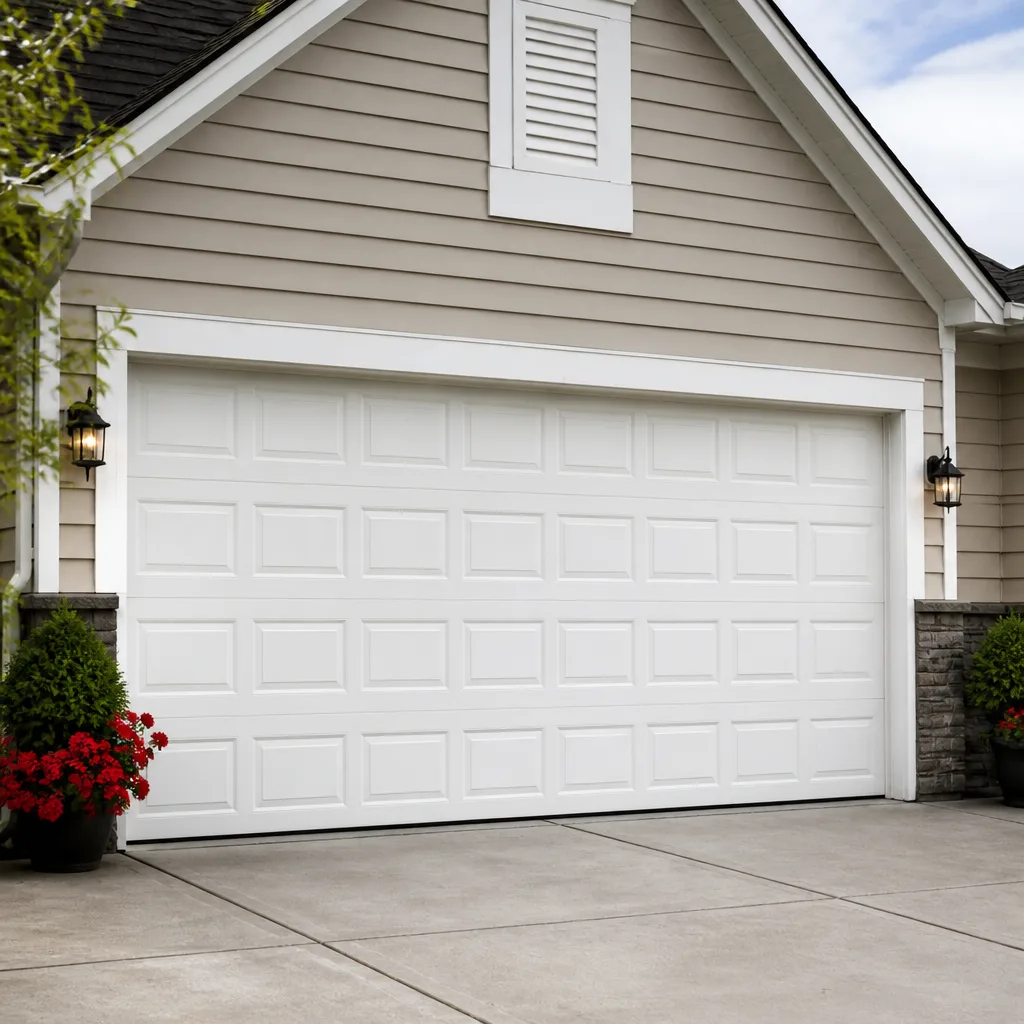 Raised-panel steel
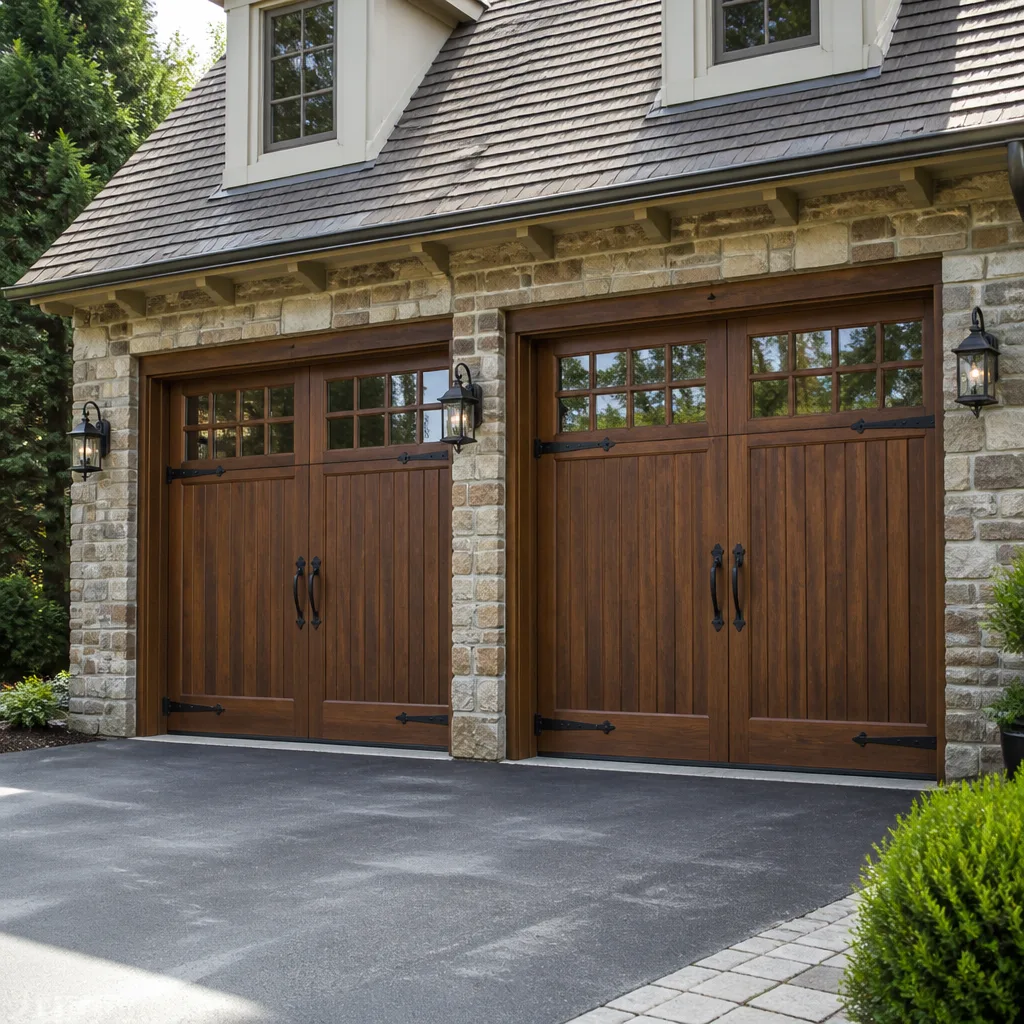 Carriage house
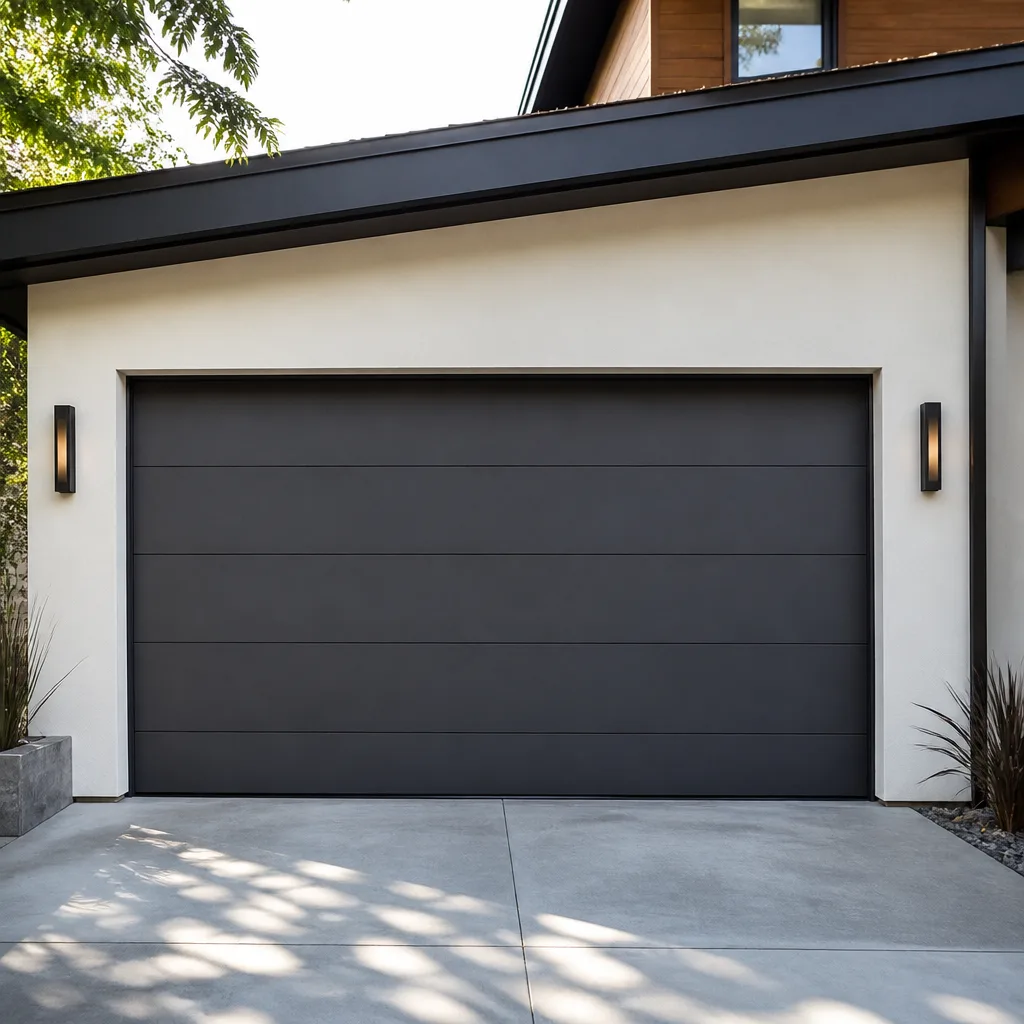 Modern flush
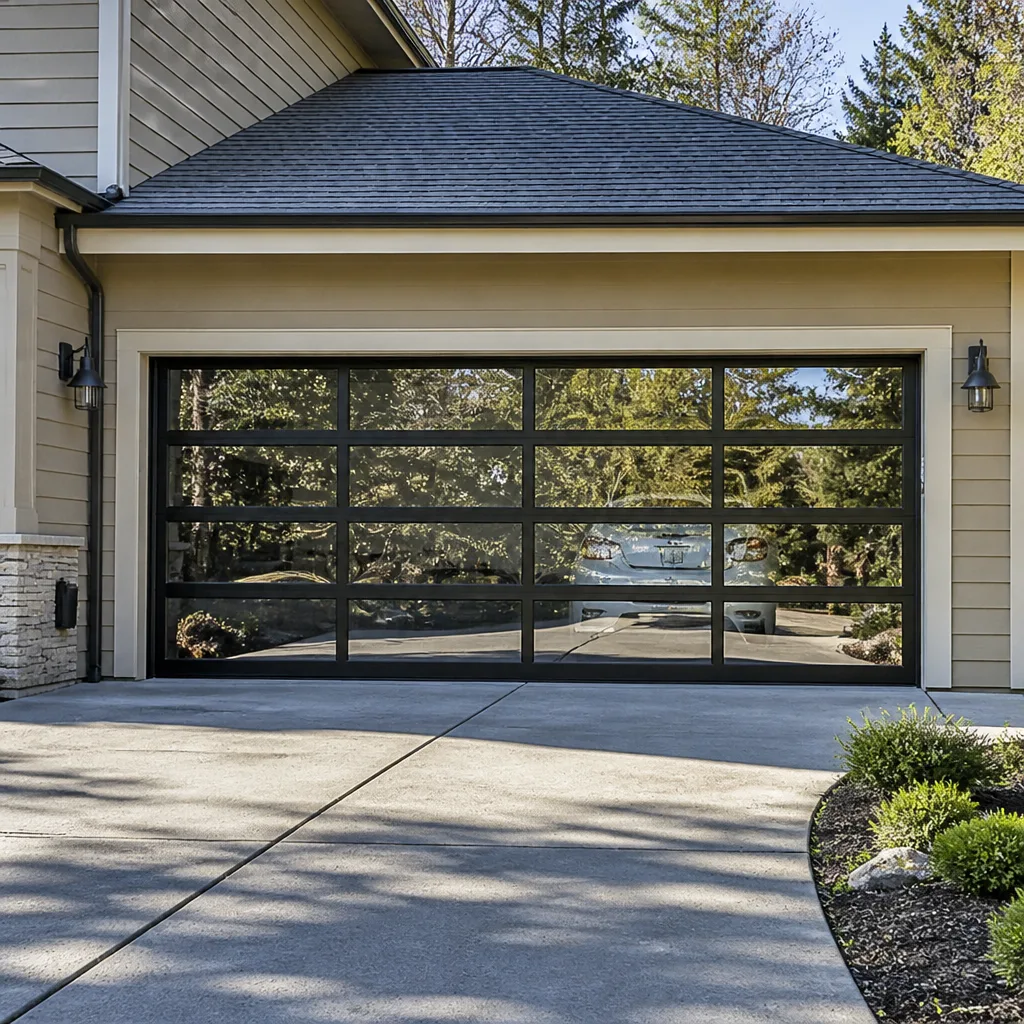 Full-view glass
 LiftMaster openers
 Chamberlain openers
Full 25-point door and opener safety check with every visit - springs, cables, rollers, tracks, and your LiftMaster or Chamberlain opener included
You get a price before we start. It does not change when the pro arrives.
Get your free estimateGarage Door Warning Signs: A Palm Coast Homeowner’s Reference Guide
Most warning-sign articles list the obvious failures: the door won’t close, the spring snapped, the opener is dead. By the time you hit that list, the repair is already an emergency. The signals that actually save Palm Coast homeowners money show up weeks earlier, and they’re easy to miss because they look like normal behavior. A door that hesitates for two seconds before it moves isn’t “just old.” It’s telling you which component is about to give out, if you know how to read it. This guide breaks down the early-stage signals, explains the diagnostic logic behind each one, and shows you what a humid Palm Coast morning does to a system most people ignore until it stops.
Quick Answer
The most important garage door warning signs in Palm Coast are a hesitation before the door moves, grinding or popping that happens at the same point in every cycle, rust streaks running from spring coils or cable ends, and a door that reverses before closing. Each of these points to a specific component – a failing capacitor, worn rollers, a fatigued spring, or a misaligned safety sensor – and each is cheapest to fix when you catch it early. If you notice any of them, stop cycling the door and get it looked at.
Styles & brands we work with
- Raised-panel steel
- Carriage house
- Modern flush
- Full-view glass
- LiftMaster openers
- Chamberlain openers
Table of Contents
- Why a Two-Second Hesitation Is the First Warning Sign
- Reading the Sounds: What Grinding, Popping, and Squealing Actually Mean
- Rust on Springs and Cables: When It’s Cosmetic and When It’s Serious
- Why a Door Reverses Before Closing
- The Visual Checklist: What to Inspect Every Month
- Which Warning Signs Are Covered and Which Become Your Liability
- How Palm Coast Weather Changes the Warning Signs
- When to Call a Professional
Why a Two-Second Hesitation Is the First Warning Sign
A garage door that pauses before it moves is the single most common early symptom we see in Palm Coast, and it has two possible causes that sound identical from the driver’s seat but need completely different responses. The first is a failing motor capacitor – a small component inside the opener that stores energy to give the motor its initial kick. The second is a humidity-related bind in the door’s travel, where moisture has swelled a wooden panel or stiffened a roller enough that the opener struggles to break the door free. One is an electrical fault. The other is a mechanical one. Confusing them wastes money.
Here’s how to tell them apart before you call anyone:
- Listen to the motor, not the door. Pull the emergency release cord first so the door is disengaged. Then run the opener. If the motor hums but the arm doesn’t move, or it clicks and does nothing until the second try, the capacitor is the likely culprit.
- Test the door by hand. With the opener disengaged, lift the door manually to about waist height and let go. A door that should hold its position in the middle of travel but slides down on its own has a balance problem, usually a spring that’s lost tension.
- Check the timing. A hesitation that shows up on the first cycle of a humid morning and disappears by afternoon points toward binding. A hesitation that gets worse from one cycle to the next, regardless of time of day, points toward the opener.
In Palm Coast, where humidity sits on the door metal overnight, the morning-only hesitation is far more common than a dead capacitor. But both sound the same, so the test matters. A capacitor is a contained opener repair. A binding door that keeps getting cycled hardens the problem and shortens the life of the opener itself. Our garage door opener repair service covers both the electrical and mechanical side of this diagnosis, which is why we don’t need to guess.
If the hesitation started right after you replaced the opener battery in your remote, that’s a different story – it’s just a signal pairing issue, not a component failure. But if the door itself is slow to move with the wall switch, treat it as a real warning sign.
Reading the Sounds: What Grinding, Popping, and Squealing Actually Mean
The single most useful diagnostic question about any garage door noise is: where in the door’s travel does it happen? A grinding sound at the very start means something different from a grinding sound two-thirds of the way up. Locating the noise by position turns a vague complaint into a specific repair, and it’s something you can do yourself with careful attention.
- Grinding or scraping at the bottom of the travel usually points to rollers that have flattened or seized. As the door lifts off the ground, the roller has to rotate in the track; if it can’t, the metal drags instead of rolls. On a heavier door like a Clopay or Amarr model, this accelerates track wear fast.
- Popping at the same height every cycle almost always means a cable has jumped a drum or a track bracket has loosened. This is the warning sign that most often precedes a full cable failure. Stop cycling the door if you hear consistent popping.
- Squealing that rises and falls with speed is typically bearing or roller friction. It’s the least urgent of the three, but it’s also the easiest to fix before it becomes a grinding problem.
- A rhythmic thumping that speeds up as the door moves often means a bent panel or a misaligned hinge, and it tends to be worse on wider single-bay openings.
Our technicians have up to 8 years of experience isolating these sounds, and the process is the same with any brand. We’re factory-familiar with the major systems, from Genie chain drives to Wayne Dalton doors with their own torsion setups, which means we’re diagnosing the actual make and model in your driveway rather than a generic approximation. If you have a specific brand and want someone who has worked on it before, garage door repair is where to start. The direct answer to “it’s just loud” is almost always “it’s a specific part,” and specific parts have specific fixes.
One habit that helps: stand on the driveway, not in the house, and listen through a full open and close with the door empty. Two cycles will usually tell you whether the noise is at the start, the middle, or the end, and whether it happens going up, coming down, or both.
Rust on Springs and Cables: When It’s Cosmetic and When It’s Serious
Palm Coast’s humid air does something specific to garage door hardware: it creates a pattern of surface rust that tells you a lot if you know where to look. The mistake homeowners make is treating all rust the same – either ignoring all of it or panicking about a cosmetic stain. In a spring system, the location of the rust matters more than the amount.
A torsion spring or an extension spring that has rust streaks running from the coils, or that shows powdery orange-brown discoloration concentrated at the coil ends, is a spring under stress and losing integrity. That’s a warning sign. The same goes for cables: if you can see rust at the cable ends near the drum or the cable is frayed with individual strands starting to break, the cable is closer to failure than it looks. Once a strand has broken, the cable’s load capacity drops sharply, and the spring it’s paired with can release without warning.
What’s less urgent:
- Light surface rust on the track or the door’s bottom hinge that wipes off with a cloth – usually cosmetic, but worth cleaning and keeping dry so it doesn’t worsen.
- Discoloration along the bottom seal or threshold plate – typically from ground moisture, not a structural issue.
- Rust on the opener’s mounting brackets – check the mount hardware for looseness at the same time, since that’s the actual load path.
Springs are safety hardware. When a torsion spring lets go, the force it releases can injure anyone in the path, and a garage door suddenly loses its counterbalance. The garage door spring repair page covers what that repair involves, but the short version is: do not cycle a door with a visibly compromised spring, and do not attempt to adjust or replace spring tension yourself. That’s a trained-technician job, and it’s a specialty most general handymen won’t touch for exactly that reason.
In Palm Coast, the areas closest to the natural waterways and the lower-lying neighborhoods tend to show this spring rust pattern earlier, simply because the air stays damp longer. If your home sits where the ground stays wet after rain, check your springs twice a month during the rainy season rather than once.
Why a Door Reverses Before Closing
A door that reverses before it closes is nearly always a safety sensor issue, and it’s the warning sign homeowners notice first because it’s so loud and obvious. The photo-eye sensors mounted near the floor trip the door back up when something blocks the beam. In Palm Coast’s dry stretches, dust and insect activity on the sensor lenses cause most of these false reversals – a quick wipe with a soft cloth usually clears it.
But not every reversal is the sensor. After heavy rain, a door that reverses can point to something else entirely: a track that has shifted slightly out of alignment, so the door binds near the bottom and the opener’s safety logic reads the increased resistance as an obstruction. Humidity and ground movement around the frame can do this. The tell is timing:
- If it reverses at the same spot every time, regardless of weather, suspect sensor alignment or a dirty lens.
- If it reverses only after a heavy rain event, or only during the wettest weeks, suspect track or frame movement.
- If it closes halfway and then goes back up, the door is binding in its travel and the opener is protecting itself, not the obstruction circuit.
The sensor fix is a homeowner job: check that both lenses face each other, wipe them, and confirm no small objects are in the path. The track fix is not – it needs a trained eye to see where the door is binding, and adjusting a track without knowing the door’s balance risks doing more harm than good. Our team handles both ends of that diagnosis, and we work with the openers most Palm Coast homes have, from smart WiFi units to older chain-drive systems.
The Visual Checklist: What to Inspect Every Month
You don’t need any special tools for this. A monthly five-minute walk-around catches the majority of early warning signs before they turn into emergency repair calls. Run through this list the same way every time so you notice when something has changed.
- Look at both springs. Check for rust streaks at the coils, a visible gap in the coil spacing, or a spring that looks physically different from its partner on a two-spring door. Matched springs should look matched.
- Walk the track. Run your fingers lightly along the inside edge of the track with the door closed. Feel for dents, bends, or spots where the rollers look off-center.
- Check the cable ends. Look at where the cables attach at the drum and the bottom bracket. Fraying, rust, or slack cable tension is a warning sign.
- Open and close the door and listen. Note where the noise happens in the cycle. Compare it to last month.
- Check the door’s balance. With the opener disengaged, lift the door halfway. It should hold. If it drops or rises on its own, the springs need attention.
- Test the safety sensors. Wave an object between the lenses with the door on its way down. It should reverse immediately. If it doesn’t, don’t leave the door in service.
- Look at the hinges and rollers. Any roller that doesn’t spin freely, any hinge that looks bent, is an early signal.
Do this after the door has been through a full day of use, not right after installation. If you’re a Palm Coast homeowner who parks inside every night, the door gets cycled four or more times a day – that’s more than 1,400 cycles a year, which is why monthly checks pay off. A door that gets that much use deserves the five minutes.
Which Warning Signs Are Covered and Which Become Your Liability
Here’s a practical reality: the same warning sign can cost you nothing or cost you a full replacement depending on how early you catch it. Manufacturer warranties on doors and openers generally cover defects in materials and workmanship for a set window, but they don’t cover damage that results from failing to maintain the system. Catching a problem early keeps the repair inside warranty coverage; ignoring it can move the fix into your own pocket. Once you’re out of a manufacturer’s warranty window, though, the question shifts.
The signs that most often stay within warranty when caught early are component defects: an opener motor that fails to respond within the period, a door panel with a structural flaw, a roller or hinge that wears out faster than it should on a new door. The signs that typically become your liability are the ones tied to cumulative damage – rust from neglected maintenance, bent tracks from a door cycled while binding, cables that failed after months of visible warning. Under any brand – Clopay, Amarr, Wayne Dalton, Genie, or the others we service – the logic holds: catching the warning sign early is the warranty insurance.
The takeaway is not to memorize the fine print. It’s to keep a written record of when you noticed a symptom and what the date was. If you call for diagnosis and the problem turns out to be a defect, that record helps the case. If it turns out to be wear, you’ll want the diagnosis anyway. Either way, the first step is the same: get it looked at while it’s still a warning sign and not a failure.
How Palm Coast Weather Changes the Warning Signs
Palm Coast weather is mild, which is exactly why these warning signs creep up on homeowners here. A door in a harsher climate gets pushed hard enough that problems surface fast; a door in Palm Coast can run season after season on the edge of failure because the climate never gives it that final jolt. That’s the trap. Mild winters don’t demand much of the system, so the slow degradation hides.
The pattern looks like this. Humidity is the big variable. When the air stays damp for days, door hardware and track components stay damp too, which means rollers stiffen, wooden components swell slightly, and the entire system runs against more resistance. That’s when morning hesitations and grinding start showing up. During long dry stretches, the situation flips: wooden panels can dry and shrink slightly, shifting the door’s balance and changing the load on the springs. A door that ran smoothly all winter can surprise you the first week of a wet season.
Wind-driven rain is a smaller factor, but it does drive moisture into places the door doesn’t otherwise see – the track channels, the frame corners, the sensor housings near the floor. After any sustained rainstorm, it’s worth a quick look at those spots. And even though Palm Coast winters are mild, a few cool overnight stretches are enough to stiffen cold grease in the opener’s rail. That’s usually the reason a door runs rough on the coldest mornings and smooths out by midday – a maintenance issue, not a failure.
In our experience working on doors across the county, the Palm Coast homes that avoid emergency repairs aren’t the ones with new doors. They’re the ones whose owners pay attention during the transition weeks between wet and dry seasons. If you can predict the door’s behavior worse in those stretches, you can pre-empt the failure instead of reacting to it. A free estimate before a failure beats an emergency call after one, and that’s Palm Coast Garage Door Repair Pros in one line.
Common Mistakes to Avoid
- Treating every hesitation as “just old.” A two-second delay is a signal, not part of aging. Ignoring it lets a binding door wear out the opener and turns one repair into two.
- Spraying WD-40 on springs and tracks. Lubricant on a torsion spring can attract dust and grit that accelerates wear, and it doesn’t address the actual problem. If a spring is losing tension, no spray can restore it.
- Wiping the safety sensors and calling it fixed. Cleaning the lenses clears a false reversal, but not a track misalignment. If the reversal keeps happening, the sensor wasn’t the issue.
- Cycling a door with a visibly rusty or gapped spring. That’s a safety risk. Springs are safety hardware; once one is compromised, the door is not safe to run until a technician looks at it.
- Adjusting your own track or spring tension. These are load-bearing components under tension. Track adjustment without a trained eye does more damage than it fixes.
- Assuming a loud door is normal. Palm Coast doors are prone to humidity-related noise, but consistent noise at the same point in the cycle is a specific part failing, not a personality trait.
- Waiting for the emergency. A door that won’t close leaves the home unsecured. Catching the warning sign before that point is the whole point of this guide.
See the difference
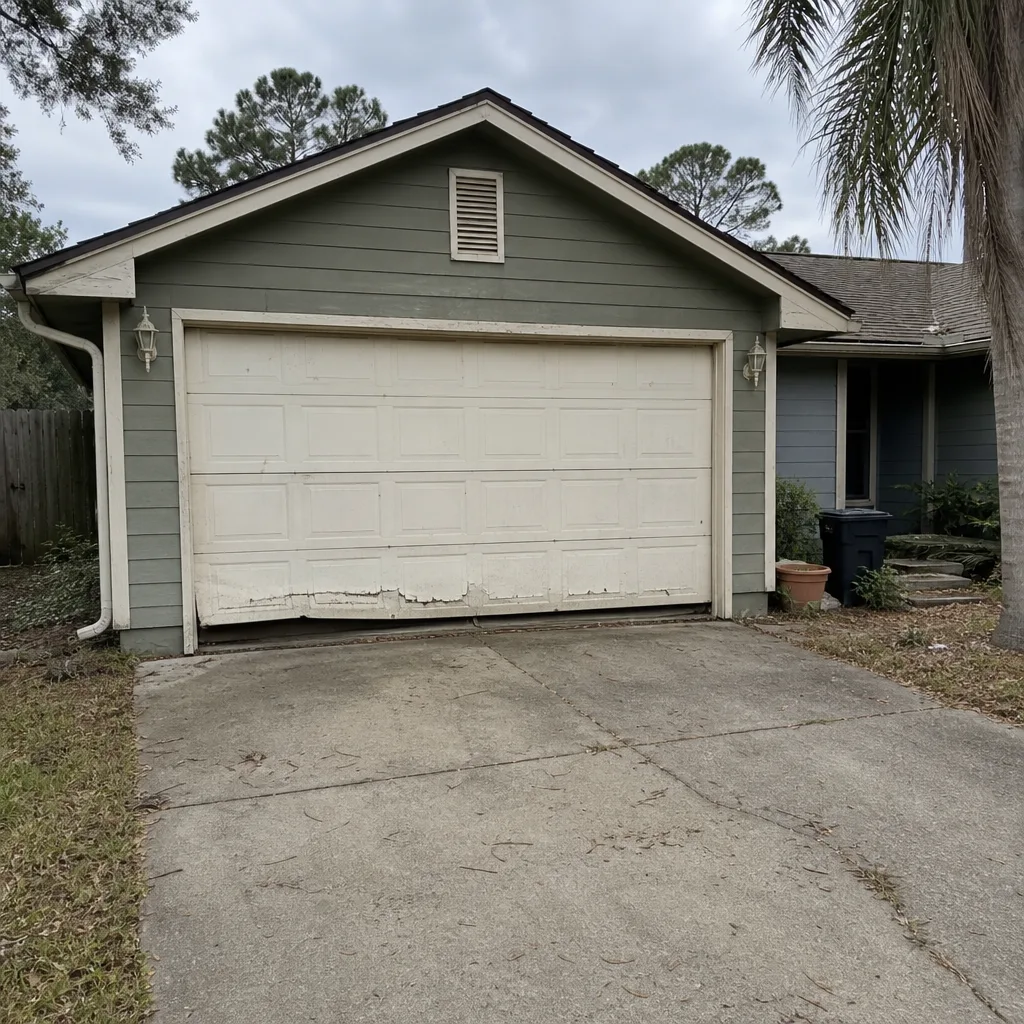 Before
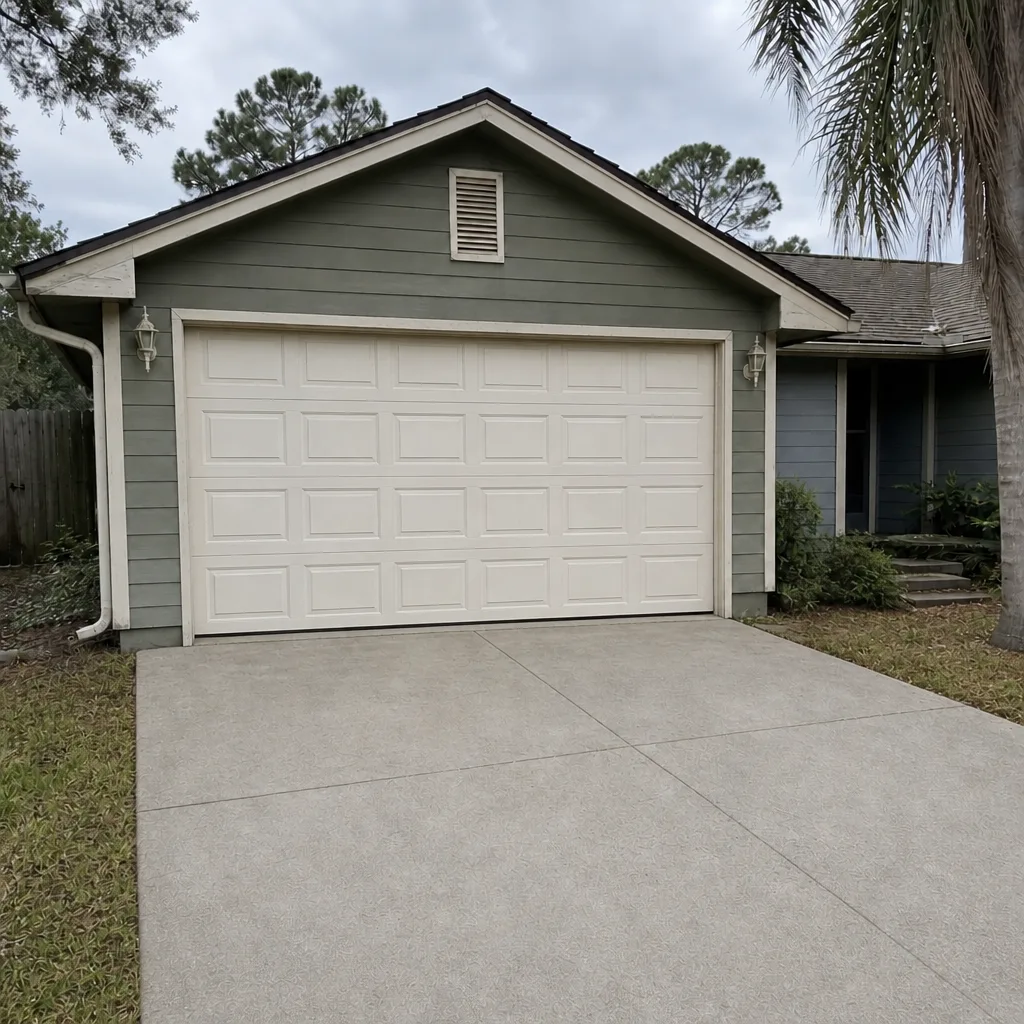 After
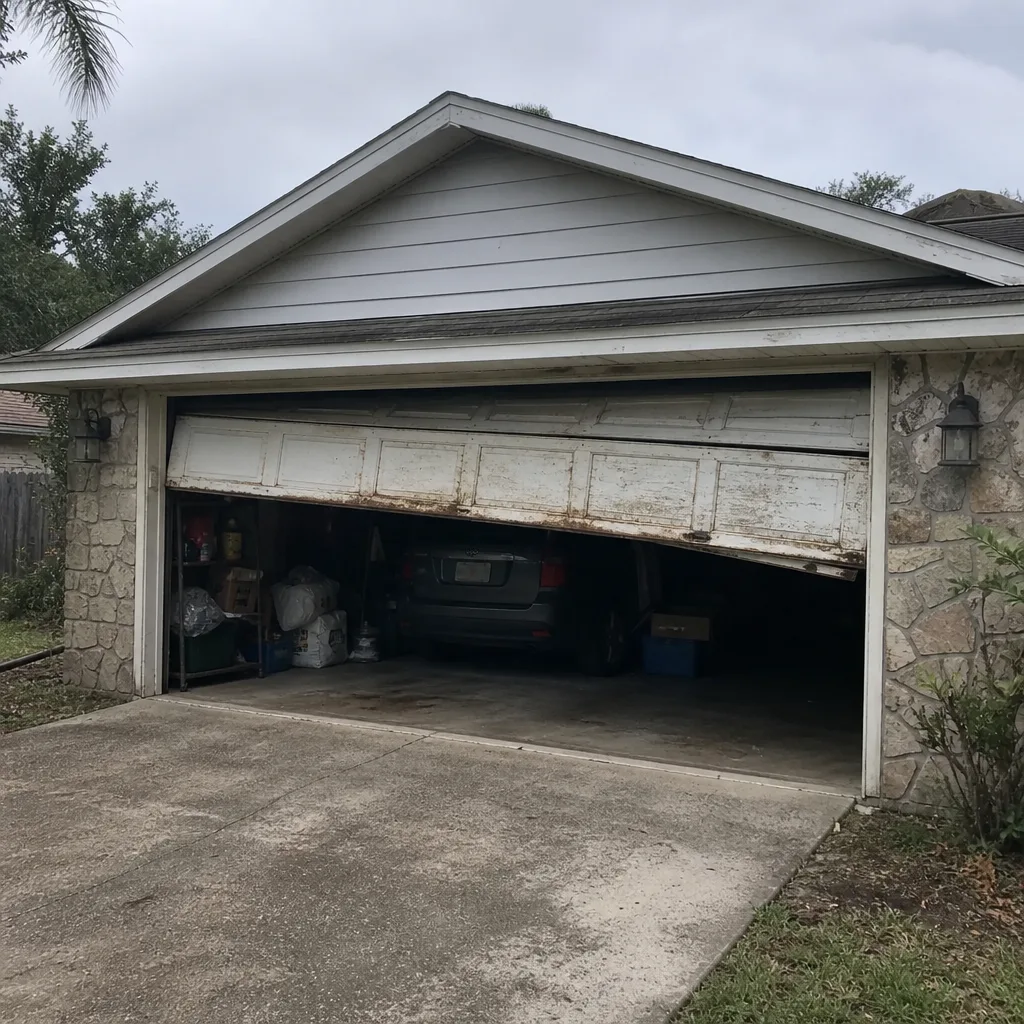 Before
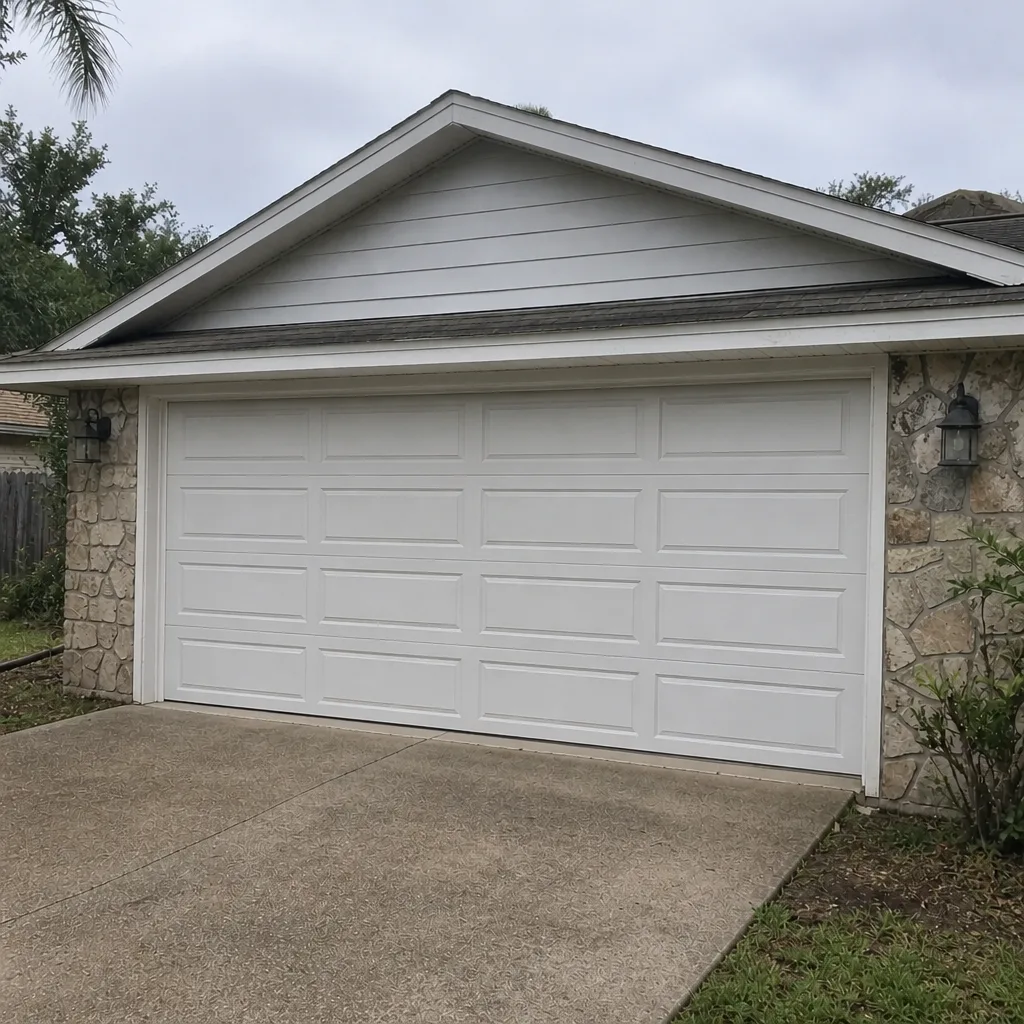 After
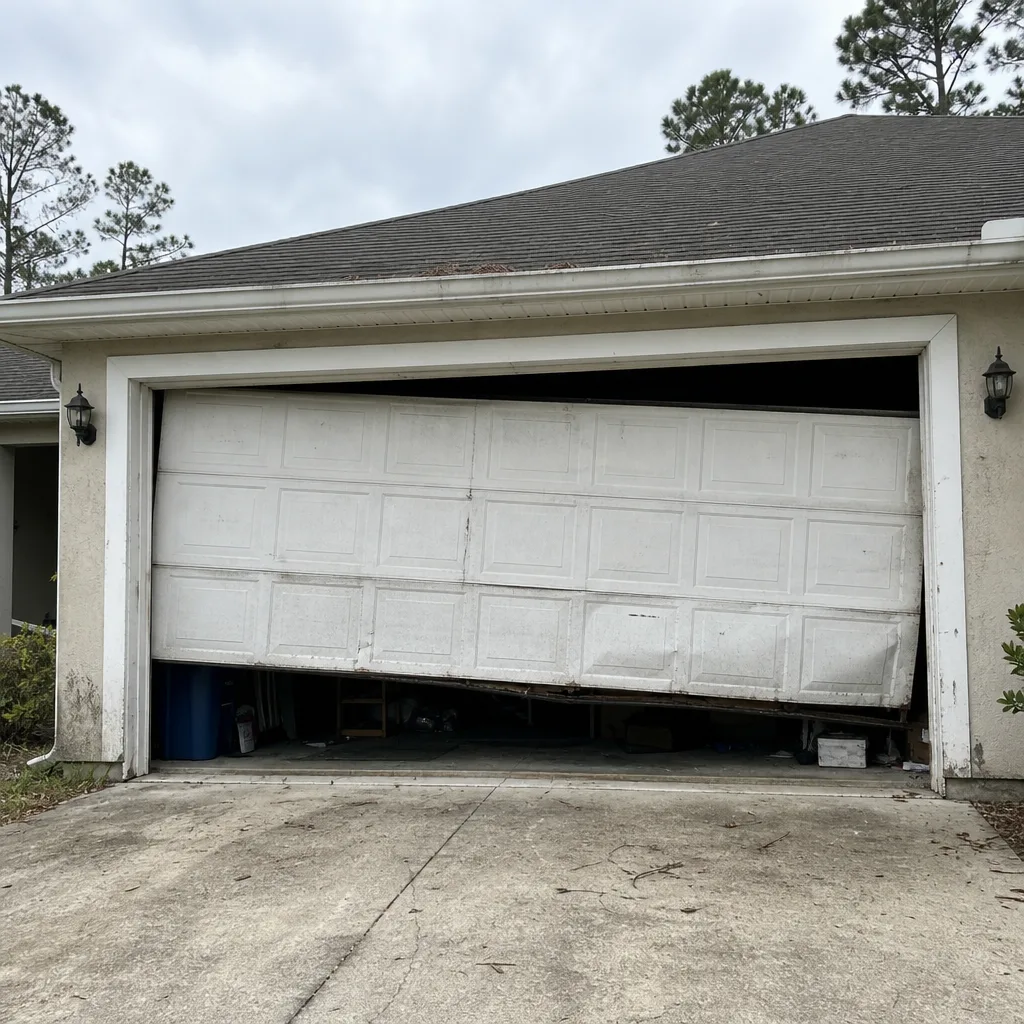 Before
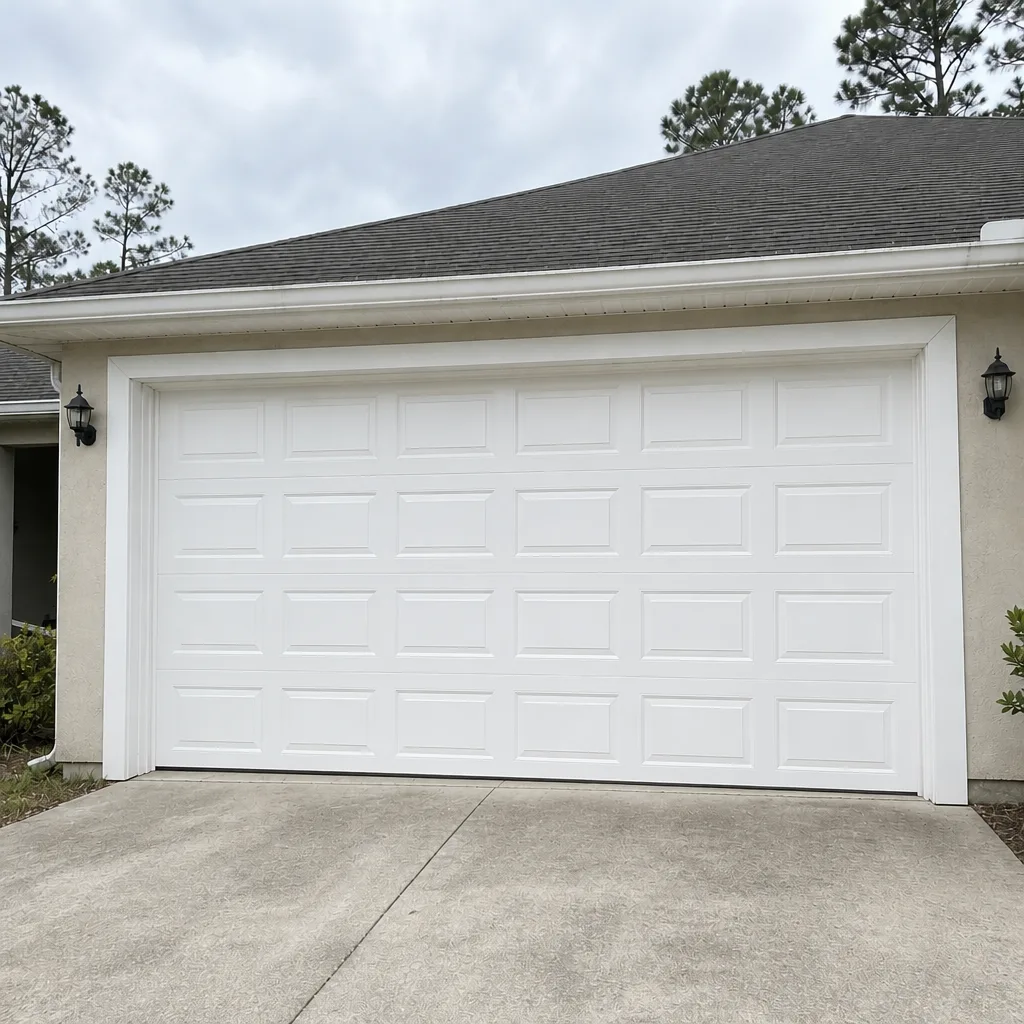 After
When to Call a Professional
Some warning signs are worth watching. A few are worth a call right now. Call a professional if you see rust streaks running from your spring coils, if you hear popping at the same point in the travel cycle, if the door reverses after heavy rain and won’t stay down, if you find frayed cable strands, or if the door won’t hold its balance in the middle of travel. Those are the signs where continued cycling risks real damage or real injury. For everything else – the morning hesitation, the rising squeal, the occasional noise – start with a professional’s eyes on the system anyway. Early diagnosis is cheaper than emergency repair.
Palm Coast Garage Door Repair Pros offers free estimates in Palm Coast – call (866) 551-8438. We handle spring repair, opener repair, and full installation under one roof, so you’re not sourcing a second contractor if one repair reveals another problem. Our team is factory-familiar with the brands Palm Coast homes actually have, and we’ll tell you plainly what’s a warning sign, what’s cosmetic, and what can safely wait. The quote is agreed before any work starts.
Frequently Asked Questions
The most important warning sign is a hesitation before the door moves, especially one that appears on the first cycle of a humid morning. It’s an early signal of either a capacitor fault or a binding door, and both are cheapest to fix before they affect the opener. Call (866) 551-8438 for a free estimate if you notice it consistently.
Most spring repair projects are quoted per spring with pricing based on your door’s size and configuration, and the written estimate sets the final price. Because matched pairs are typically replaced together, a pair costs roughly twice a single-spring quote. Palm Coast Garage Door Repair Pros provides free estimates and quotes the job before any work starts; call (866) 551-8438.
Yes – emergency garage door service is a core offering, and a door that won’t close leaves your home unsecured, so it gets priority. Emergency service is available for urgent situations like broken springs, failed openers, and doors stuck open or closed. Call (866) 551-8438 and we’ll get a technician scheduled as quickly as possible.
No. In Palm Coast, most morning-only hesitations come from humidity-related binding, not the opener. The way to tell them apart is to disengage the door and test both sides: if the motor hums without moving, suspect the opener; if the door won’t hold its balance by hand, suspect the springs. An accurate diagnosis prevents replacing a component that isn’t the problem.
Not without your agreement. The written estimate we provide sets the price, and any repair outside that scope is discussed and approved before work begins. That’s how a quote should work on a job like this.
The local professional handling your job is licensed and insured as their state requires. We connect Palm Coast homeowners with vetted local technicians, and our team has up to 8 years of experience working on the major door and opener brands. Call (866) 551-8438 with any questions before booking.
The Bottom Line
Garage door warning signs aren’t mysterious once you know how to read them. The hesitation is telling you which component is next. The sound at a specific point in the cycle is telling you where the wear is. The rust pattern is telling you which parts are under stress. In Palm Coast’s mild, humid climate, those signals develop slowly and hide easily, which is why a monthly five-minute inspection and a willingness to call at the first real signal make the difference between a small repair and an emergency. Catching the warning early is the whole game. Call (866) 551-8438 for a free estimate and get an expert’s read on your door before it decides for you.
Written by the team at Palm Coast Garage Door Repair Pros.