Last updated November 22, 2026
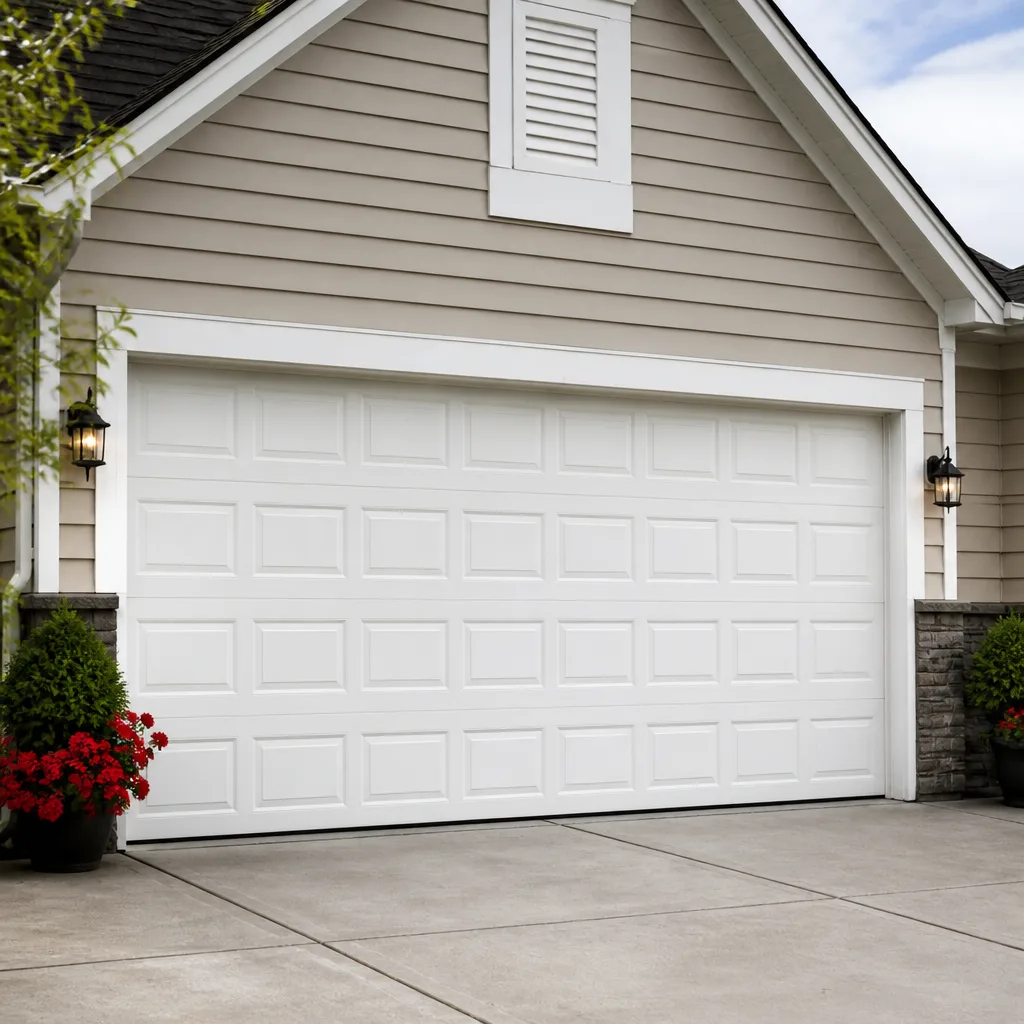 Raised-panel steel
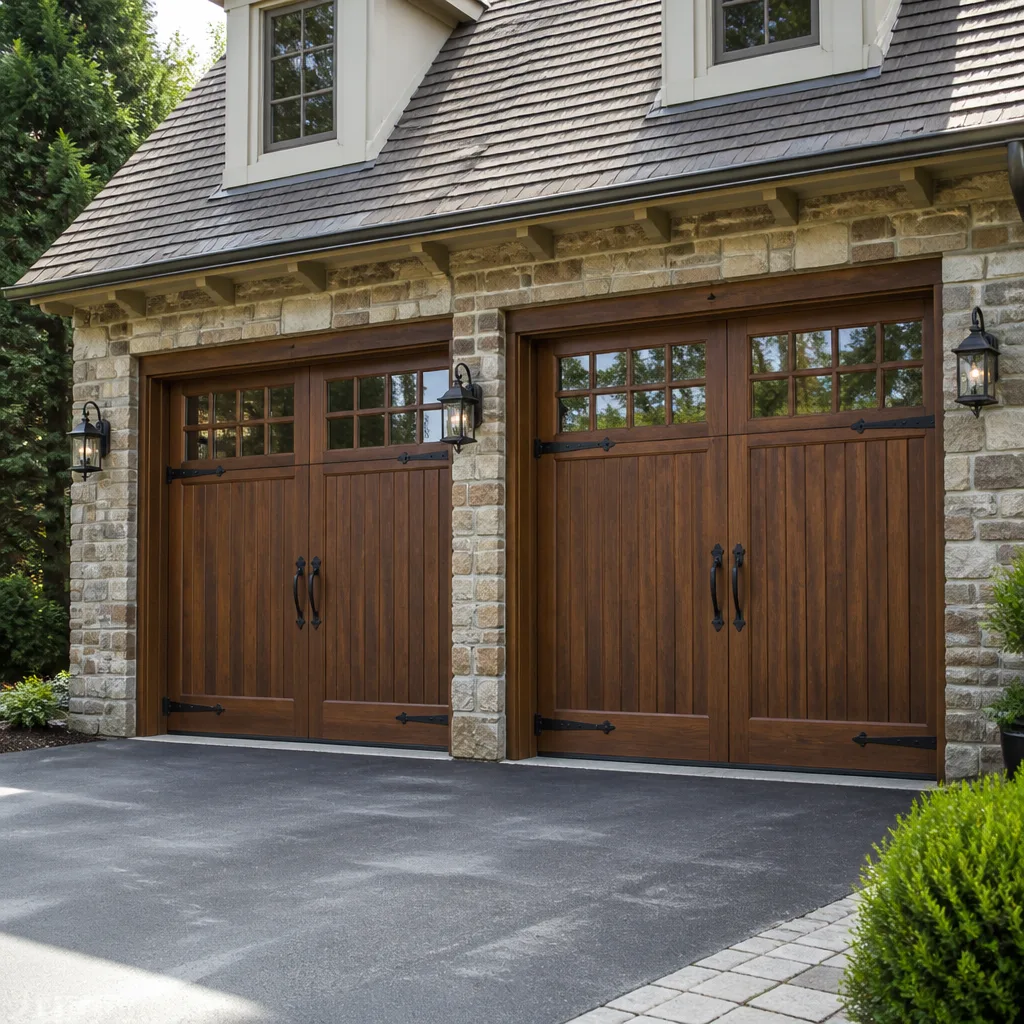 Carriage house
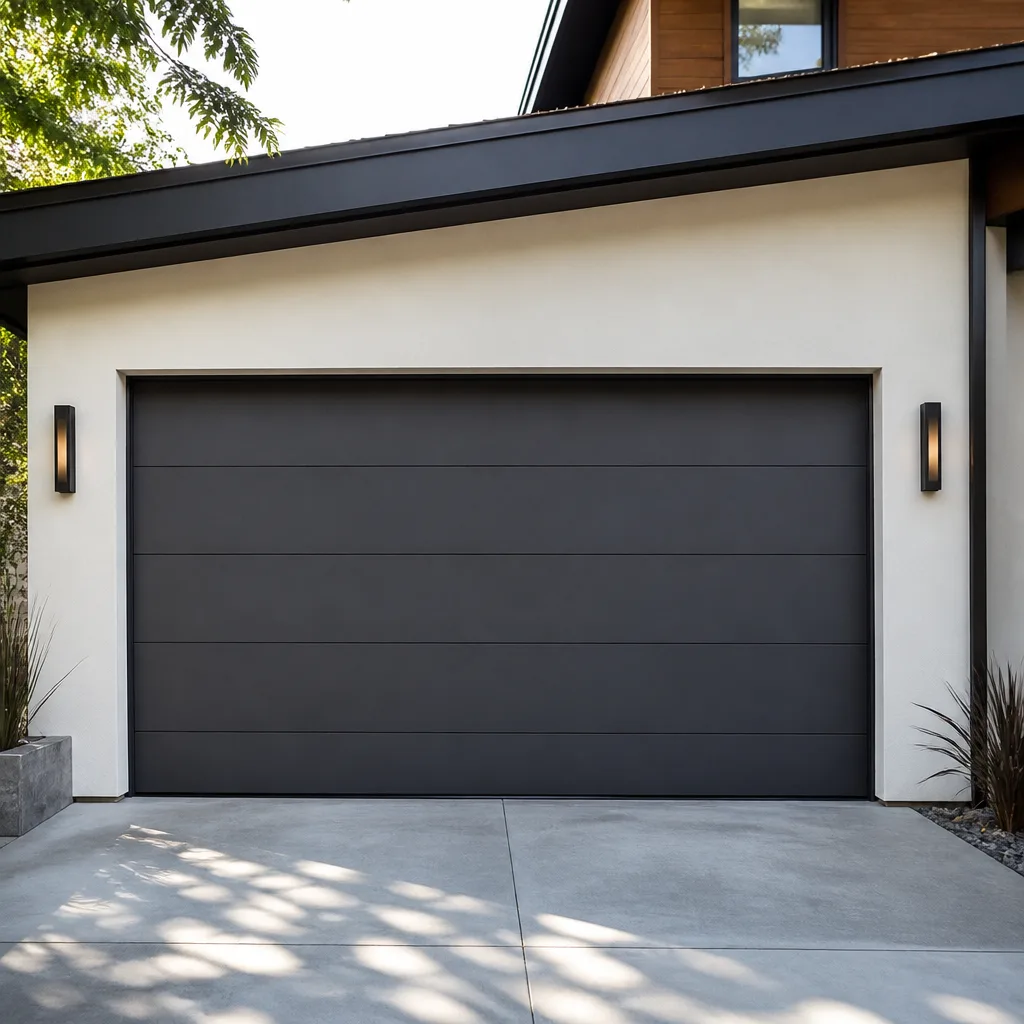 Modern flush
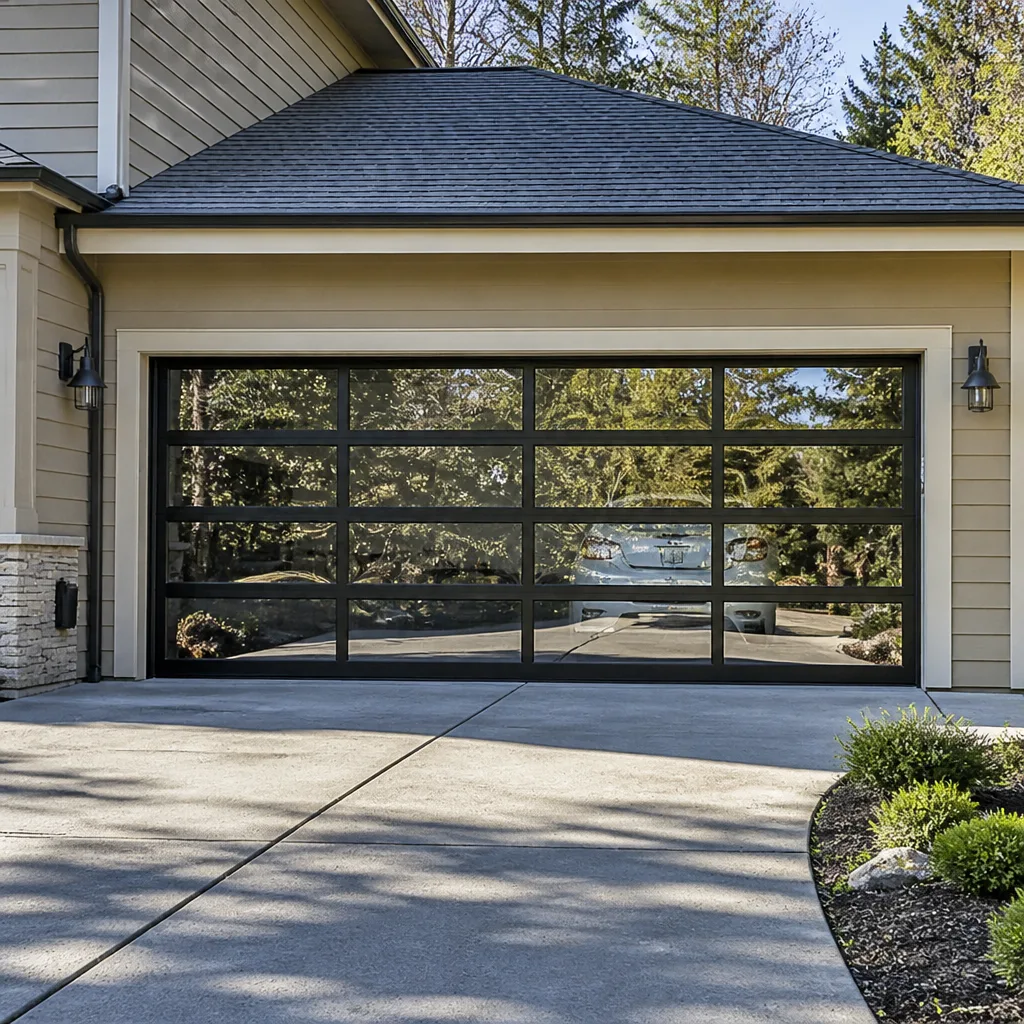 Full-view glass
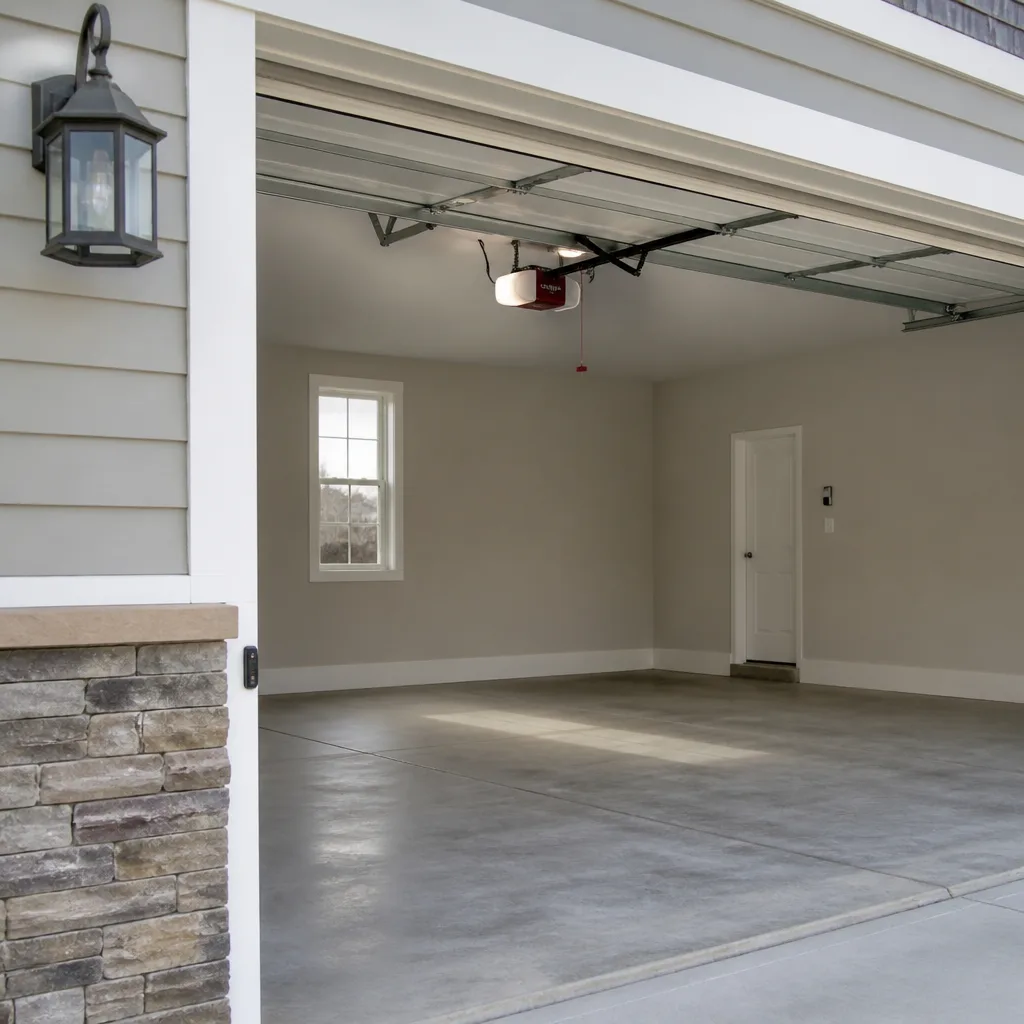 LiftMaster openers
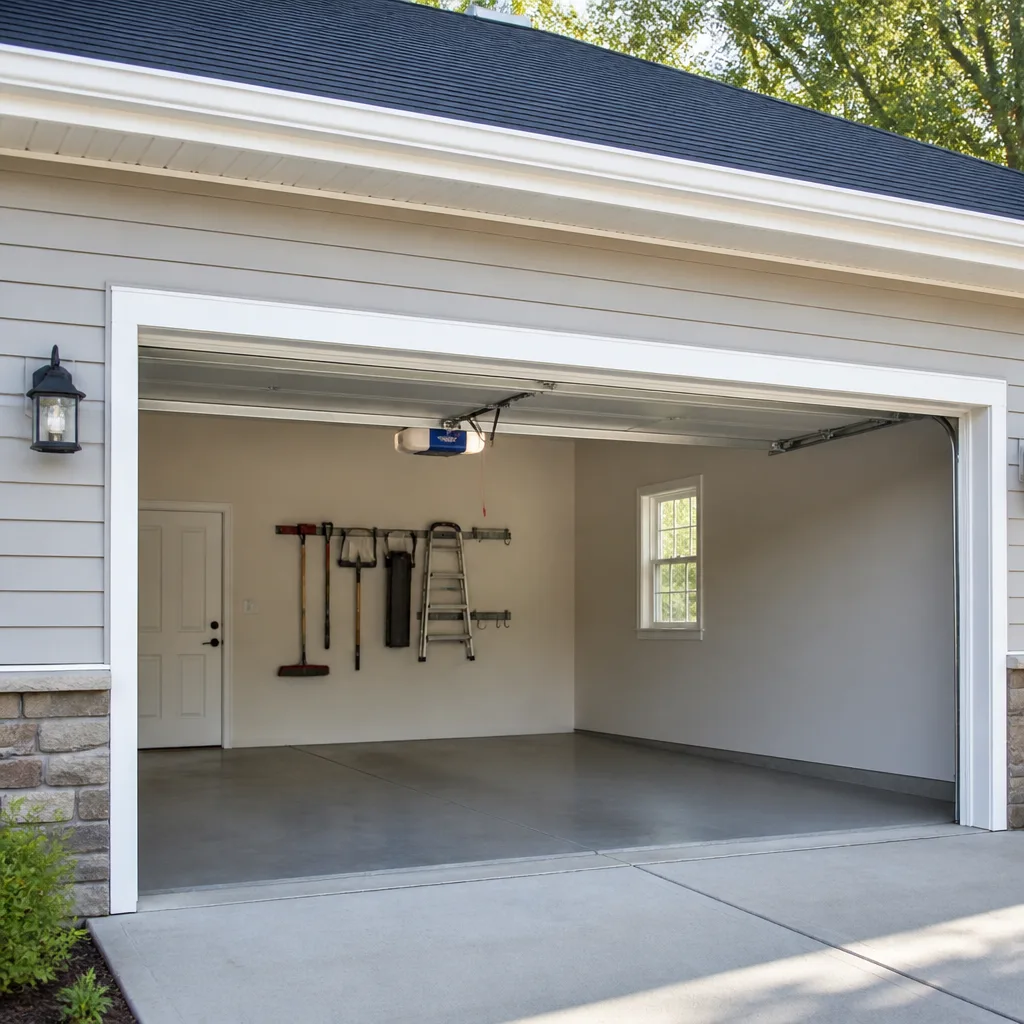 Chamberlain openers
Full 25-point door and opener safety check with every visit - springs, cables, rollers, tracks, and your LiftMaster or Chamberlain opener included
You get a price before we start. It does not change when the pro arrives.
Get your free estimateHow to Hire a Garage Door Contractor in Palm Coast: A Step-by-Step Guide
Checking for a license is step one, not the finish line. Most homeowners who hire the wrong contractor in Palm Coast did verify the license – they just stopped there. The quality gap in this town isn’t between licensed and unlicensed so much as between contractors who actually know your specific door and opener and those who show up willing to figure it out in your driveway. Palm Coast has a small contractor pool, and during busy stretches that pool gets even thinner. This guide walks you through what to check, what to ask, and how to read an estimate so the job gets done right the first time.
Quick Answer
To hire a garage door contractor in Palm Coast, verify the license through Florida’s DBPR, confirm the contractor actually services your specific brand of door and opener, ask where parts come from and how long they take to arrive, and insist on a written line-item estimate before agreeing to anything. The license check is the floor, not the ceiling. The contractors who cause trouble here are usually licensed – they just lack the brand-specific skill and parts access to fix your system correctly.
Styles & brands we work with
- Raised-panel steel
- Carriage house
- Modern flush
- Full-view glass
- LiftMaster openers
- Chamberlain openers
Table of Contents
- Why a License Check Is Only the Beginning
- How to Verify a Florida Garage Door Contractor’s License
- Why Brand Certifications Matter in Palm Coast
- Red Flags: Storm-Season Contractors in Flagler County
- The Parts Sourcing Question You Need to Ask
- How to Read a Garage Door Estimate Line by Line
- Springs Are Safety Hardware, Not a DIY Project
- The Questions That Separate Good Contractors From the Rest
Why a License Check Is Only the Beginning
A Florida garage door contractor’s license proves the business filed the right paperwork and met the state’s minimum requirements. It says nothing about whether the technician at your door knows a Genie chain-drive from a LiftMaster belt-drive, or whether they’ve ever tensioned a torsion spring on a Clopay door. In Palm Coast, the licensing part is usually fine. The skill gap is where jobs go sideways.
We’ve seen the pattern often enough to recognize it. A homeowner does their homework, checks the license, gets a reasonable quote, and books the job. Six weeks later the door is making a new sound, the opener is straining, or the spring they replaced has gone slack. The license was real. The technician just didn’t have the brand-specific knowledge to calibrate the repair correctly.
The contractors who cause problems in Palm Coast aren’t usually unlicensed. They’re licensed businesses with limited range – maybe strong on installation, weak on opener diagnostics. Maybe good on standard torsion springs, unfamiliar with the high-lift setup on a custom door. The license doesn’t tell you any of that.
What the license does tell you is that the contractor has a legal business entity, carries the state-required coverage, and can be held accountable if something goes wrong. That’s valuable. It’s just the baseline, not a quality guarantee.
What a License Actually Confirms
- The business is registered with the state of Florida
- The contractor met the state’s minimum experience and testing requirements
- There’s a formal complaint process if the work goes wrong
- The business can be located and held responsible
Notice what’s missing from that list: brand training, parts access, diagnostic skill, and turnaround time. Those are the factors that determine whether your door gets fixed correctly or just gets fixed. They’re also the factors most homeowners skip.
How to Verify a Florida Garage Door Contractor’s License
You verify a Florida garage door contractor’s license through the Florida Department of Business and Professional Regulation (DBPR) license lookup portal. Search by business name or license number, confirm the license is active, and check the license class covers the work being quoted. Garage door work typically falls under a general or specialty contractor classification, and a license that covers installation may not cover structural modifications or electrical work on the opener circuit.
Step-by-Step License Verification
- Get the license number in writing. Ask the contractor to put their license number on the written estimate. Any hesitation is a signal worth noting.
- Search the DBPR portal. Enter the license number or the business name. Confirm the record matches the business you’re talking to.
- Check the status. Active is what you want. Suspended, revoked or “null and void” means walk away.
- Read the license class. Confirm the classification covers garage door installation, repair, or opener work depending on what you’re hiring for.
- Look for complaints. The DBPR record shows disciplinary history. A single complaint isn’t disqualifying; a pattern is.
- Cross-check the business name. The entity on the license should match the entity on the estimate and the invoice. Mismatched names are worth questioning.
This process takes about ten minutes. It’s the single highest-value ten minutes in the whole hiring process, and it’s also the step most homeowners stop at. Don’t. The license is the entry ticket. The next five sections are what actually determines whether you get the right contractor or just a licensed one.
If you’re already in the middle of a repair and need to move fast, the team at Palm Coast Garage Door Repair Pros can walk you through the verification while you’re on the phone. We’ll tell you what to look up and what the record should say.
Why Brand Certifications Matter in Palm Coast
A technician certified on LiftMaster won’t necessarily know a Genie or Amarr system. Each major manufacturer designs its own opener drive systems, spring configurations, and door panel assemblies, and the diagnostic approach differs. Brand certification means the technician has actually trained on that specific equipment rather than learning it on the fly in your driveway.
This matters more in Palm Coast than in a bigger market because the contractor pool is smaller. In a city with dozens of garage door companies, a homeowner with an unusual brand has options – they can find the specialist. Here, the range of contractors is narrower, and the odds of getting a technician who’s genuinely familiar with your specific system are lower unless you ask directly.
Why Brand Matters More Than It Seems
Consider a Chamberlain smart opener with Wi-Fi connectivity. The motor and the logic board are tied together in ways that a technician familiar with older chain-drive Craftsman units might not fully understand. Diagnostics that work on one system can miss the actual fault on the other. The repair might work for a week before the same problem returns.
Clopay and Amarr doors have their own panel and track specifications. A technician who works primarily with Wayne Dalton equipment may misjudge tolerances, track alignment, or spring tension for a Clopay door. The repair holds on a test cycle and fails under daily use.
This is why we emphasize brand familiarity as a first-order hiring criterion, not a nice-to-have. We’re factory-familiar with 8 of the industry’s leading brands – LiftMaster, Chamberlain, Genie, Clopay, Amarr, Wayne Dalton, Craftsman, and Raynor – which means the technician diagnosing your door knows the actual make and model rather than guessing at it.
Questions to Ask About Brand Experience
- Which brands do you work on most often?
- Do you have specific training on my brand, or general experience?
- If my opener is a Chamberlain, can you diagnose the logic board or do you replace the whole unit?
- How often do you work on Clopay or Amarr doors specifically?
The answers tell you more than the license record ever will. A contractor who can speak specifically about brand differences – real details, not generalities – is a contractor who’s actually done the work.
Red Flags: Storm-Season Contractors in Flagler County
After every significant storm in Flagler County, a wave of out-of-town contractors shows up with truckloads of doors and a story about being “in the area.” Some are legitimate. Many aren’t. The pattern is consistent enough that it’s worth knowing before you’re in the middle of cleanup and making fast decisions.
Storm-Season Red Flags to Watch For
- No local license or a license from another state. Florida requires its own license. An out-of-state license doesn’t cover work done here.
- No physical Florida business address on the estimate. A P.O. box in another state is a problem. So is no address at all.
- Pressure to sign today. Legitimate contractors will still be here next week. Storm chasers won’t.
- Cash-only payment requests. A legitimate business takes checks, cards, or offers standard invoicing.
- Door and opener brand you can’t verify. Unbranded or unusually cheap doors after a storm are worth checking against the manufacturer’s records.
- No written contract. Verbal agreements are unenforceable. Every legitimate contractor will put the scope in writing.
- Pricing dramatically below local norms. Storm surge contractors often quote low to get the job and disappear before the warranty period.
The pattern is always the same: fast arrival, aggressive pricing, pressure to commit, and vanishing shortly after. If a contractor knocks on your door after a storm and you didn’t call them, the burden of proof is on them to demonstrate they’re a legitimate Florida business. Most can’t.
What Legitimate Storm-Season Contractors Look Like
They have an active Florida license you can verify in two minutes. They have a local address and phone number. They put the estimate in writing. They don’t pressure you to sign on the spot. They can tell you exactly which brand and model they’ll be installing, and why. And they’re still going to be reachable in eight months if something goes wrong.
The Parts Sourcing Question You Need to Ask
Ask your contractor where their parts come from before you book the job. A contractor who pulls from a local supply house or has the part on hand can often complete the repair in one visit. A contractor who orders online may add several days of turnaround – and that gap matters a lot when your door is stuck open.
This is one of the most under-asked questions in the hiring process. Homeowners focus on the quote amount and skip the logistics. Then the technician shows up, diagnoses the issue, and tells them the part has to be ordered. The car stays in the driveway for another four to seven days.
Two Types of Parts Sourcing
Local supply pull: The contractor sources springs, rollers, hinges, and openers from a local supply house or has them stocked. Turnaround is usually fast – the part is available the same visit or next. Higher availability, sometimes slightly higher parts cost.
Online ordering: The contractor orders parts from a national distributor. Lower parts cost, but turnaround can stretch from a few days to a week or more depending on shipping. For a door that won’t close, that gap is the whole problem.
The right question isn’t which is better. It’s “for my specific repair, where will the part come from, and how long should I expect to wait?” A contractor who can answer that specifically is a contractor who’s done the logistics math before.
How to Ask the Parts Question
- Ask which specific part is likely needed for your symptom.
- Ask if the part is typically available locally or needs to be ordered.
- Ask for an expected timeline if ordering is required.
- Ask what happens if the first part doesn’t solve the issue.
- Ask whether there’s a diagnostic charge if the part never arrives.
For urgent issues – a door that won’t close, a snapped spring, a dead opener – the parts timeline matters as much as the pricing. Palm Coast Garage Door Repair Pros keeps garage door spring repair ready as a core specialty specifically because it’s the most common emergency call. When the spring goes, there’s no waiting a week for parts.
How to Read a Garage Door Estimate Line by Line
Read every line on the estimate before signing. Vague line items signal how the job will actually be executed – if the estimate is fuzzy, the work usually is too. A contractor who writes specific line items knows what the job requires and is willing to commit to it. A contractor who writes “repair garage door: $X” is telling you something about their process.
What a Good Estimate Looks Like
- Specific part names and quantities. “Two 0.218 x 2-inch torsion springs” not “spring repair.”
- Labor separated from parts. So you can see what you’re paying for what.
- Diagnostic fee stated or waived. Either way, it should be on the estimate.
- Warranty terms in writing. Parts warranty, labor warranty, and duration should be clear.
- Separate line for opener work if included. Don’t let opener repair get buried in a door line item.
- Any required disposal or haul-away cost. Old doors and springs have to go somewhere.
- Total price and payment terms. Before and after are fine. Total should match the line items.
What a Vague Estimate Signals
A vague line item like “fix garage door – $250” tells you the contractor hasn’t thought through the specific repair, doesn’t plan to break it down, or both. When the work starts and the actual issue turns out to be more involved, the price either escalates or the contractor shortcuts the work to protect their margin. Neither is good for you.
It’s worth comparing two or three written estimates line by line. Not just the total. The line items tell you how each contractor thinks about the job. The one with the clearest breakdown is usually the one who’ll execute it most carefully.
Typical ranges in the Palm Coast market are useful for sense-checking, but the written estimate sets the final price. Ask for it in writing before any work begins. Palm Coast Garage Door Repair Pros provides free estimates in Palm Coast, and every quote is broken down line by line before work starts.
If your estimate includes opener work, learn more about the garage door opener repair scope so you know what should be on the line items.
Springs Are Safety Hardware, Not a DIY Project
Torsion and extension springs hold the full weight of the door under tension, and they’re the most dangerous component of any garage door system. A spring under tension can cause serious injury when it releases unexpectedly, and the correct tension calibration matters as much as the replacement itself. This is not a component to diagnose or replace without professional training.
We’re specific about this because it’s the single place where the DIY shortcut goes from inconvenient to genuinely dangerous. The visible symptom – a door that won’t lift, a snapped spring, a loud bang from the garage – makes it look like a mechanical replacement problem. It isn’t. It’s a tension-management problem, and the technicians who handle it safely are the ones trained on it.
Why Spring Work Calls for a Specialist
- Springs store energy even when the door is closed
- Improper tensioning can cause the spring to fail during the repair
- Wrong spring sizing strains the opener and door hardware
- Lifting cables and drums work together with springs and need matched calibration
- A spring failure mid-repair can send the door crashing
The right move when a spring fails is to leave the door in place and call a technician. Don’t try to open or close it manually. Don’t try to remove the spring to see what’s wrong. The garage door spring repair specialty is a trained-technique service for exactly this reason, and it’s a service many general handymen won’t take on at all.
If the spring has already failed and your car is trapped, call immediately. Emergency service is a core offering, not an add-on.
The Questions That Separate Good Contractors From the Rest
You’ve confirmed the license. You’ve checked brand experience. You’ve asked about parts. You’ve reviewed the estimate. The final step is asking the questions that surface how the contractor actually operates day to day. These are the questions no one thinks to ask, and the answers tell you the most.
The Questions
- “What brand is my door and opener?” A technician who can name the brand by looking at the door is familiar with the equipment. One who has to look for a sticker is learning on your time.
- “What’s the most likely failure given my symptom?” A confident specific answer is a good sign. A vague one (“could be a few things”) is worth noting.
- “If the first repair doesn’t solve it, what’s the process?” Every honest contractor has a diagnostic fallback. Ask what it is.
- “Is there a warranty on the parts and the labor?” Get both in writing. Parts warranties are common. Labor warranties vary widely.
- “What’s the typical turnaround if a part needs ordering?” A specific number (days, not “soon”) is what you want.
- “Who actually does the work?” The contractor on the phone and the technician in your driveway might not be the same person. Ask.
- “What happens if something fails after the repair?” The warranty terms should answer this. Ask them to walk you through it.
Reading the Answers
Specific answers are the signal. A contractor who can describe exactly what they’ll check, what they’ll replace, and what the timeline looks like has done the work before. Vague answers (“we’ll figure it out when we get there”) aren’t necessarily disqualifying, but they signal a technician who operates by feel rather than by process. In Palm Coast, where the contractor pool is small and the stakes for picking wrong are high, process matters.
Common Mistakes to Avoid
- Stopping at the license check. Verifying the license is the minimum. It doesn’t tell you whether the technician knows your brand of door or opener, and that’s the thing that actually determines the repair quality. Ask about brand training specifically.
- Choosing the lowest quote without reading the line items. The lowest total often hides vague scope, missing parts, or unclear warranty terms. The cheapest quote is the one most likely to expand once the work starts, and the expansion is rarely in your favor.
- Skipping the parts sourcing question. This is where turnaround times diverge most between contractors. A contractor who has to order a spring will leave your door stuck for days longer than one who pulls from local supply.
- Hiring a storm-season contractor who didn’t verify locally. After a Flagler County storm, out-of-town contractors often show up with a truck and a pitch. Check the license before you sign anything, even if they’re already there.
- Letting a handyman handle a spring replacement. Springs are safety hardware. Even an experienced general handyman without spring-specific training shouldn’t be working on them, and many are honest enough to say so. Respect that when they do.
- Accepting a verbal estimate. Every part, every labor line, every warranty term, every total should be in writing before work begins. Verbal estimates are unenforceable and impossible to compare line by line.
- Not asking about brand coverage on the opener separately. A contractor familiar with door installation may not be familiar with Chamberlain smart openers or legacy Craftsman units. Ask both questions.
See the difference
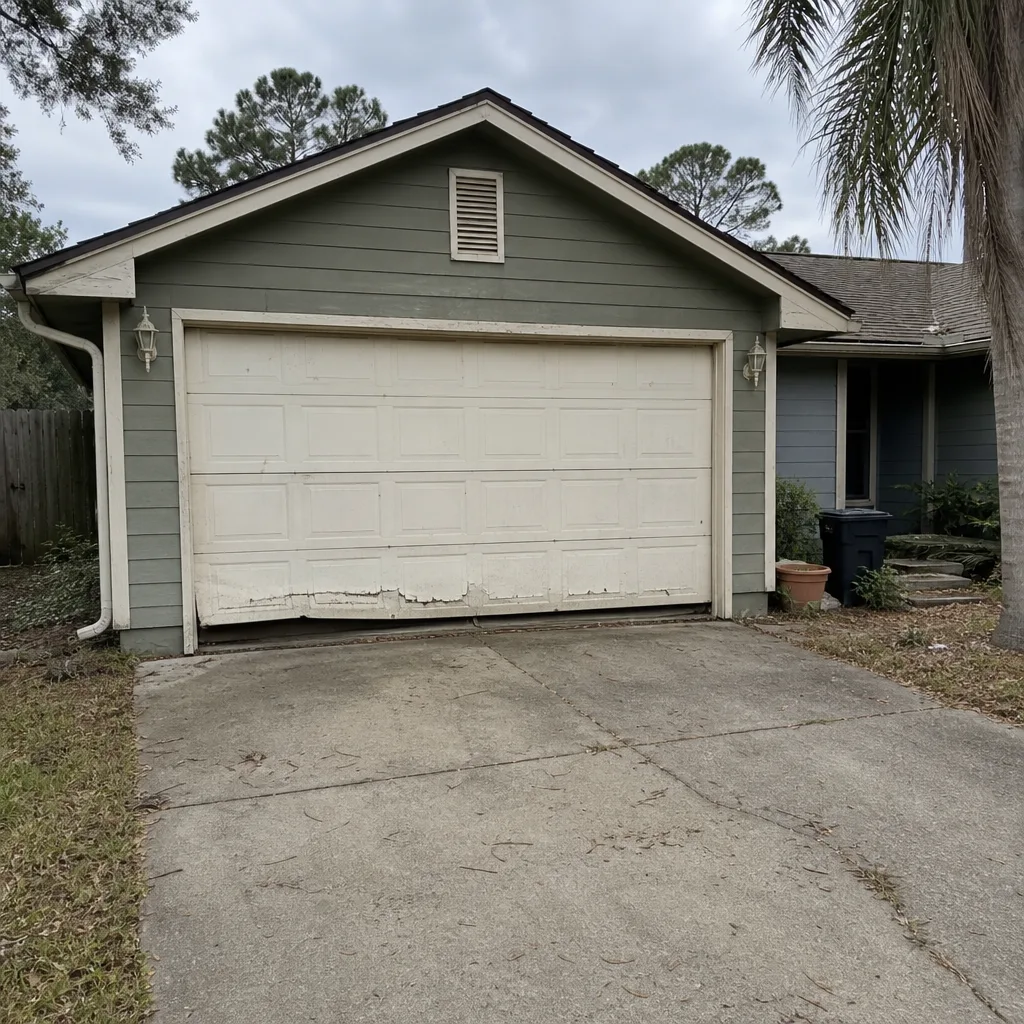 Before
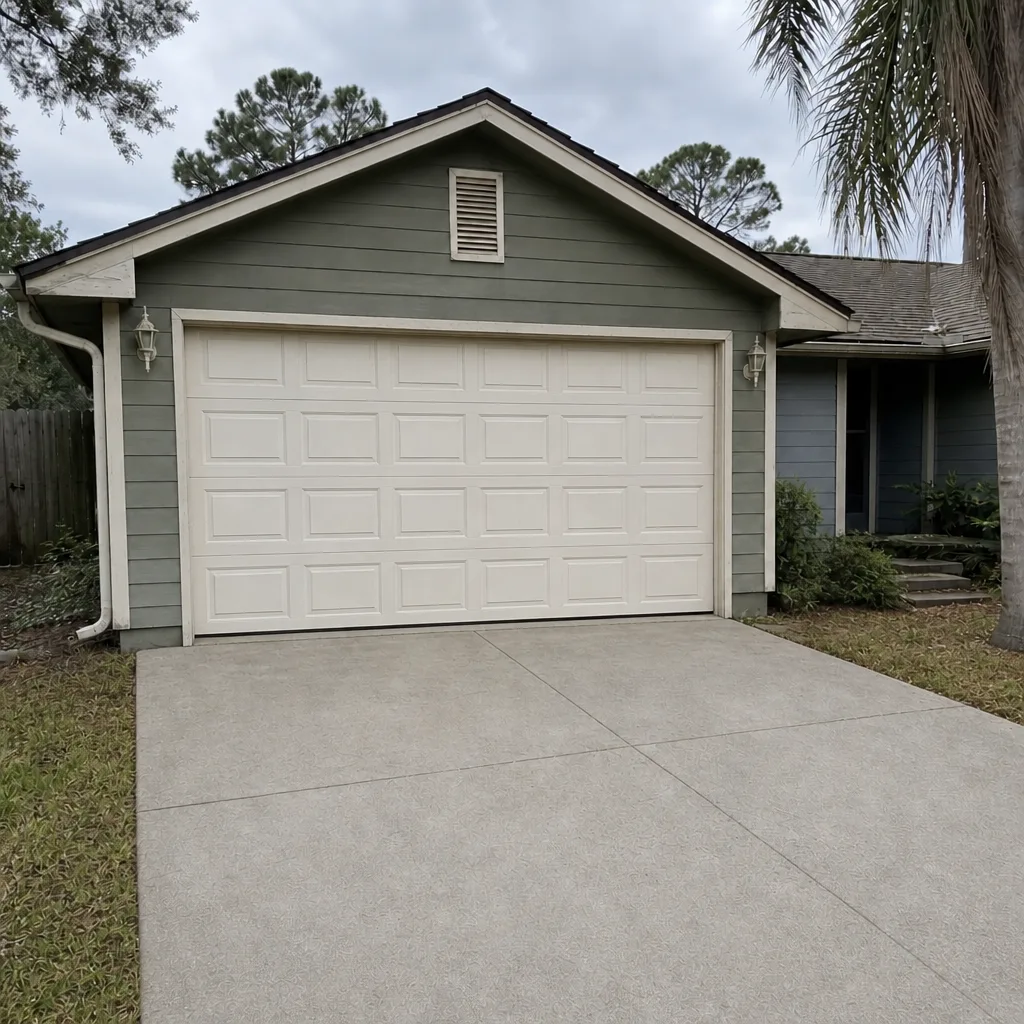 After
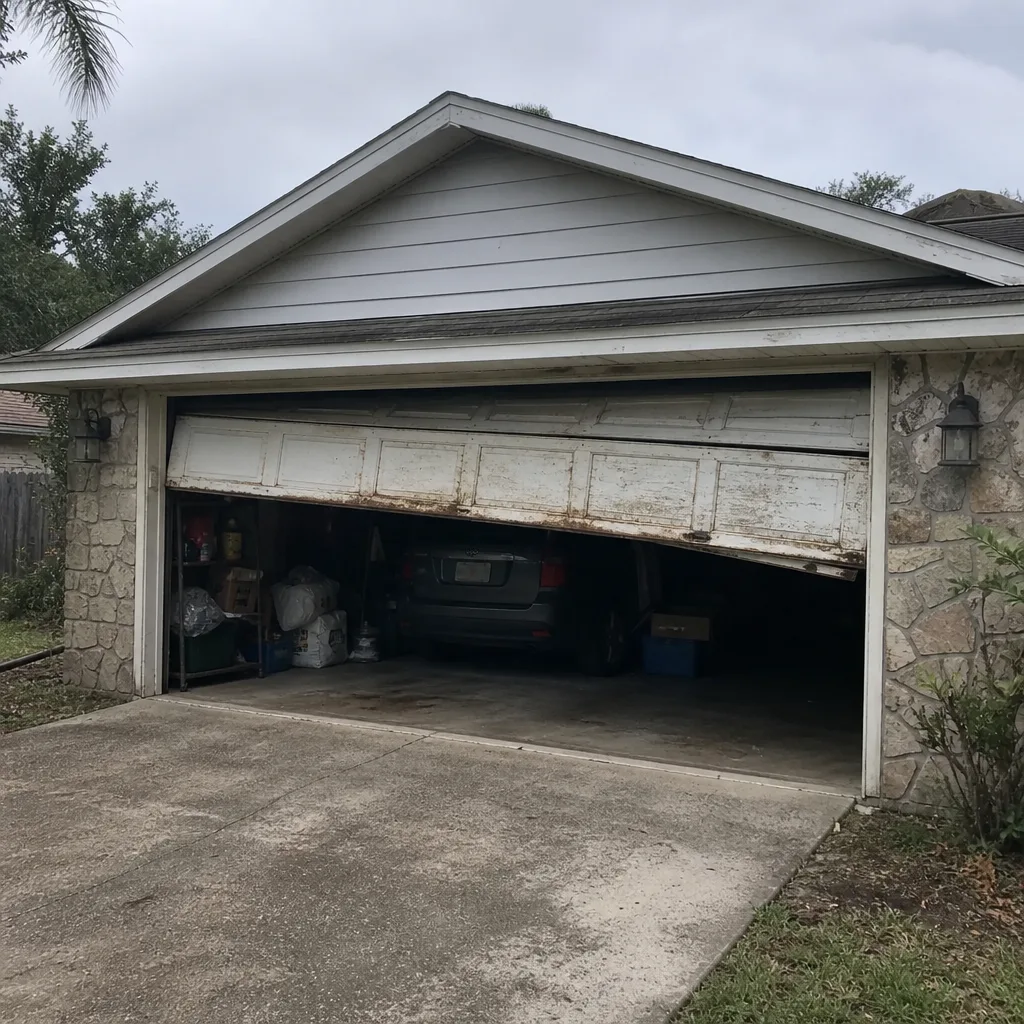 Before
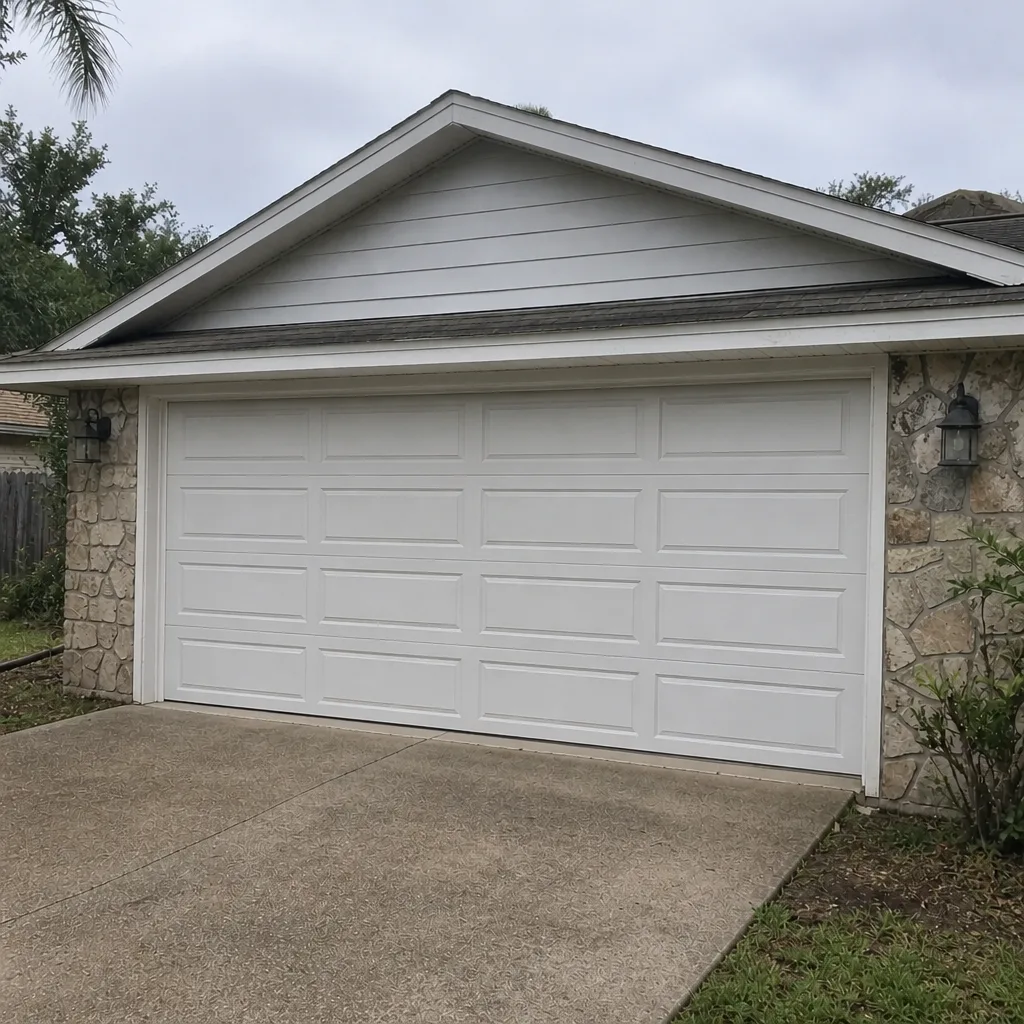 After
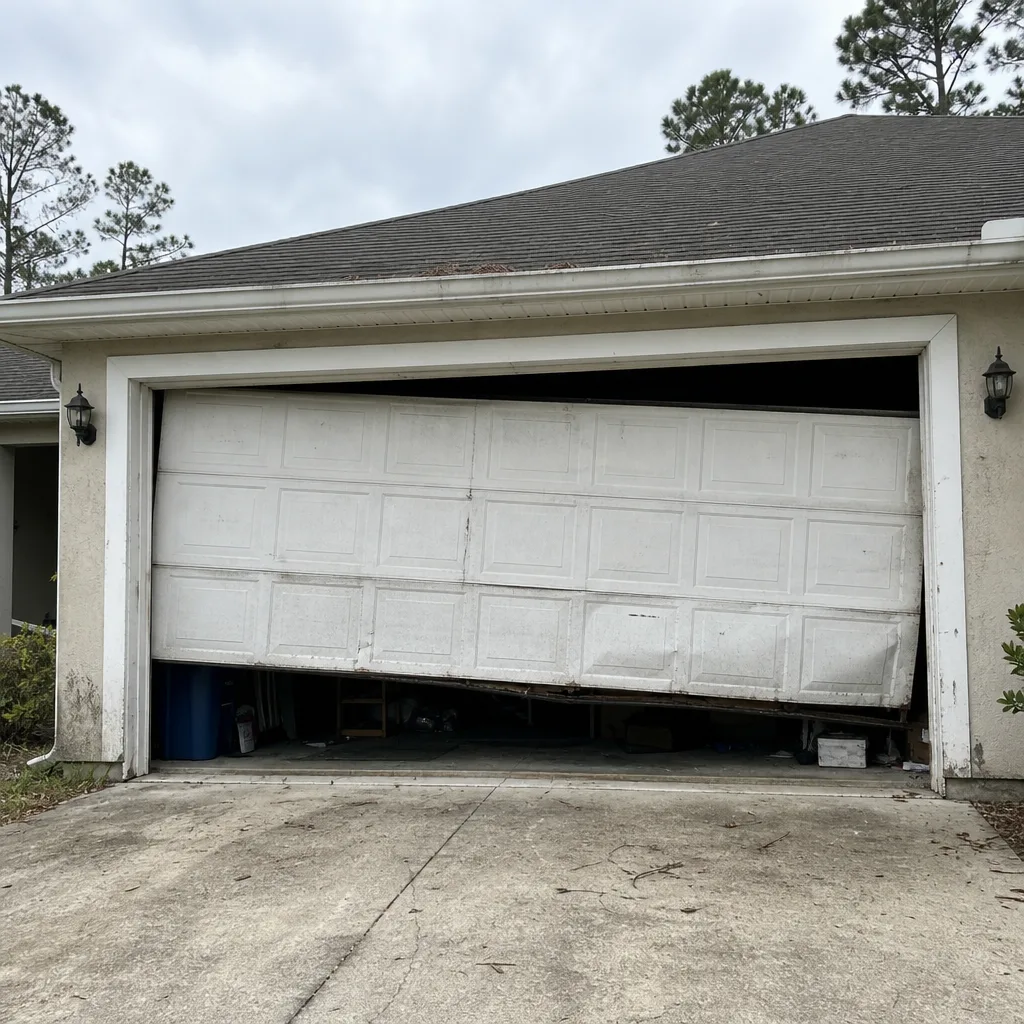 Before
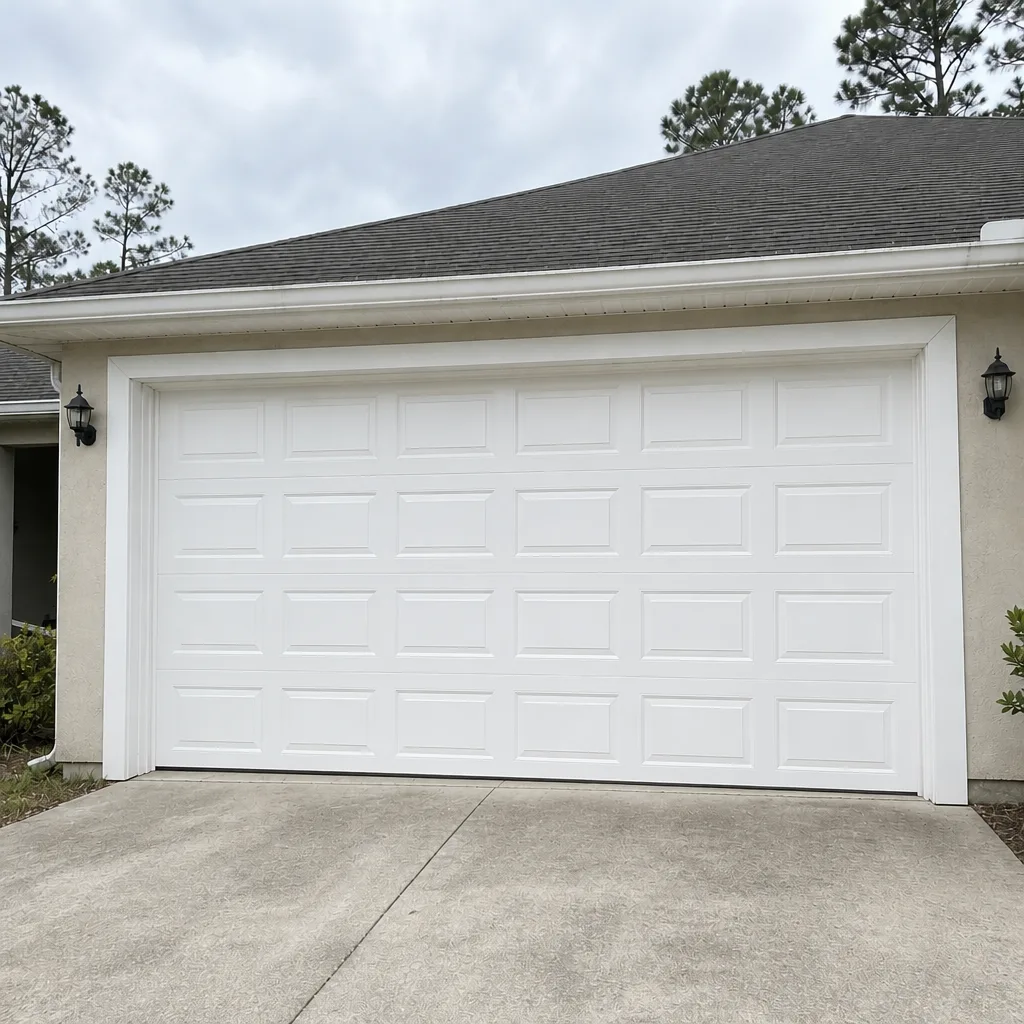 After
When to Call a Professional
Call a professional for any spring failure, opener failure that leaves the door stuck, snapped cables, bent tracks, or a door that won’t close fully and leaves the garage unsecured. Call immediately if a car is trapped, if the door has dropped off one side, or if anything structural has visibly shifted. Do not try to force a jammed door open or closed; that converts a repairable issue into a dangerous one. For routine opener diagnostics and maintenance, scheduling works fine; for anything that’s failed under load, treating it as an emergency is the safer call.
Palm Coast Garage Door Repair Pros offers free estimates in Palm Coast – call (866) 551-8438. Our technicians have up to 8 years of experience with the brands you actually own, and every repair is quoted and agreed before any work starts.
Frequently Asked Questions
Verify through the Florida DBPR license lookup portal by business name or license number, confirm the status is active, and check that the license class covers garage door work. Get the license number in writing on the estimate first, then check the record for any disciplinary history. For an exact quote on your repair, call (866) 551-8438 – estimates are free.
Yes. Florida requires garage door contractors to hold an active state license that covers the scope of work being quoted. A general or specialty contractor classification typically applies, and you should confirm the class on the license matches the job you’re hiring for. Ask for the license number on the written estimate – a legitimate contractor will provide it without hesitation.
A proper estimate includes specific part names and quantities, labor separated from parts, a stated diagnostic fee (even if it’s waived), warranty terms for both parts and labor, and a total that matches the line items. Vague line items like “repair garage door: $X” signal a contractor who hasn’t thought through the job. Every job is quoted and agreed before work begins.
Brand certification means the technician has trained specifically on your manufacturer’s equipment, not just garage doors in general. A LiftMaster-certified technician won’t necessarily know the diagnostics on a Genie or Amarr system. For Palm Coast homeowners with a specific brand – Chamberlain smart openers, Clopay doors, legacy Craftsman units – asking about brand experience before booking is the difference between a repair that holds and one that fails.
A single contractor who can handle spring repair, opener diagnostics, and door installation is faster and usually less expensive overall. Splitting the work across two providers means two diagnostic visits, two sets of overhead, and a coordination gap if the problems interlock. Ask any candidate contractor whether they cover all three scopes before you book.
Check for an active Florida license, a local business address, and a written estimate. Storm-season contractors often show up right after a storm with a truckload of doors, pressure you to sign same-day, request cash payment, or operate without a Florida license. If you didn’t call them and they’re at your door, verify the license before making any decision.
The Bottom Line
Hiring a garage door contractor in Palm Coast comes down to three moves: verify the license, confirm brand experience, and get a written line-item estimate. The license check is the floor. The brand experience is what determines whether the repair holds. The estimate is what protects you from price escalation. Ask about parts sourcing, ask how springs get handled, ask what the warranty covers. Reading the garage door repair process clearly before you book is worth more than the difference between two quotes. If you’re ready to move, call (866) 551-8438 for a free estimate.
Written by the team at Palm Coast Garage Door Repair Pros.