Last updated November 22, 2026
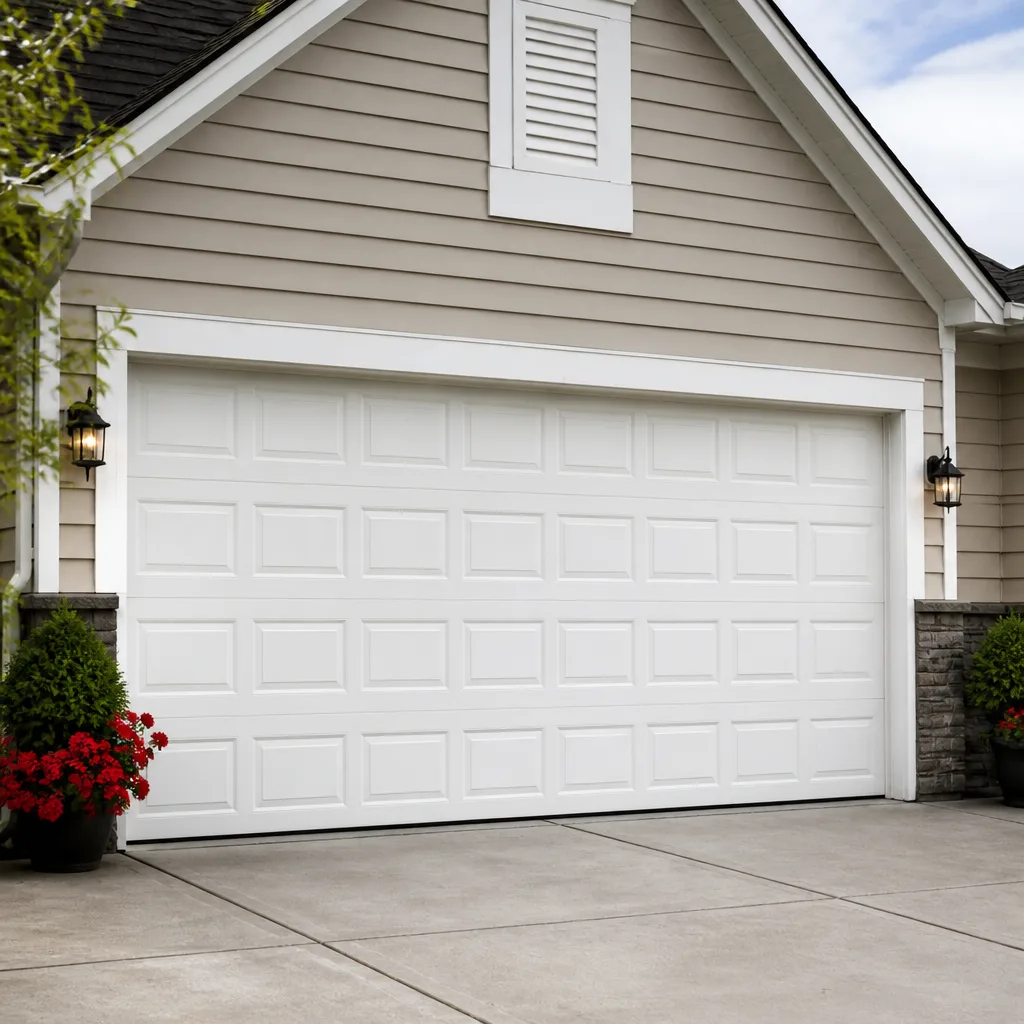 Raised-panel steel
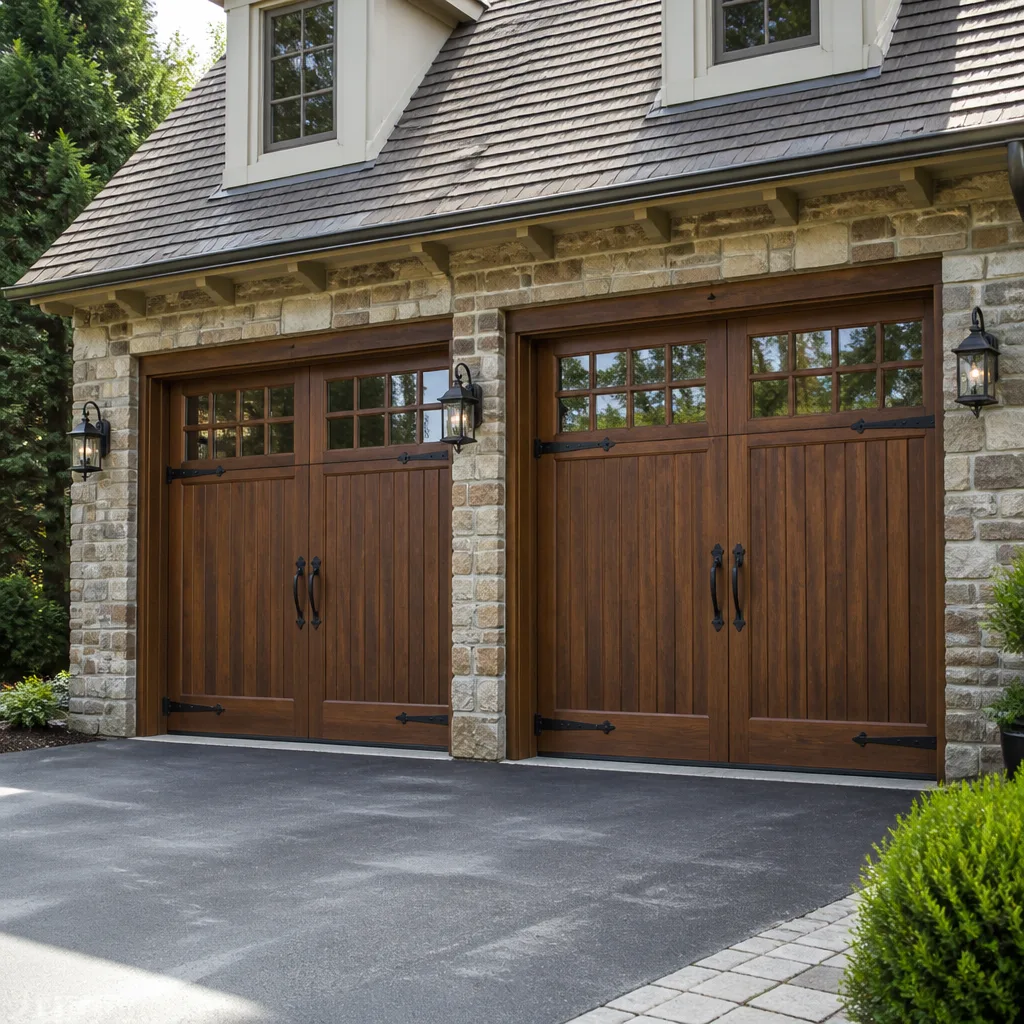 Carriage house
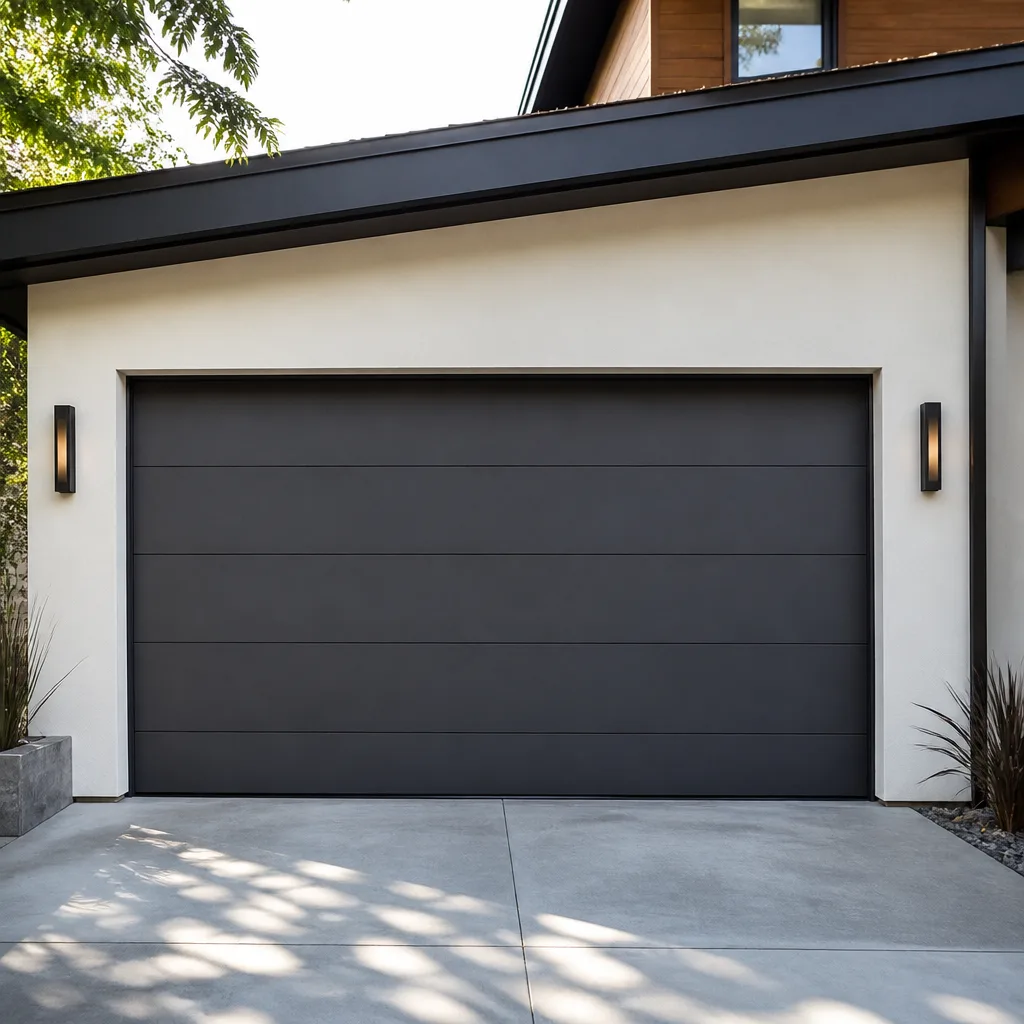 Modern flush
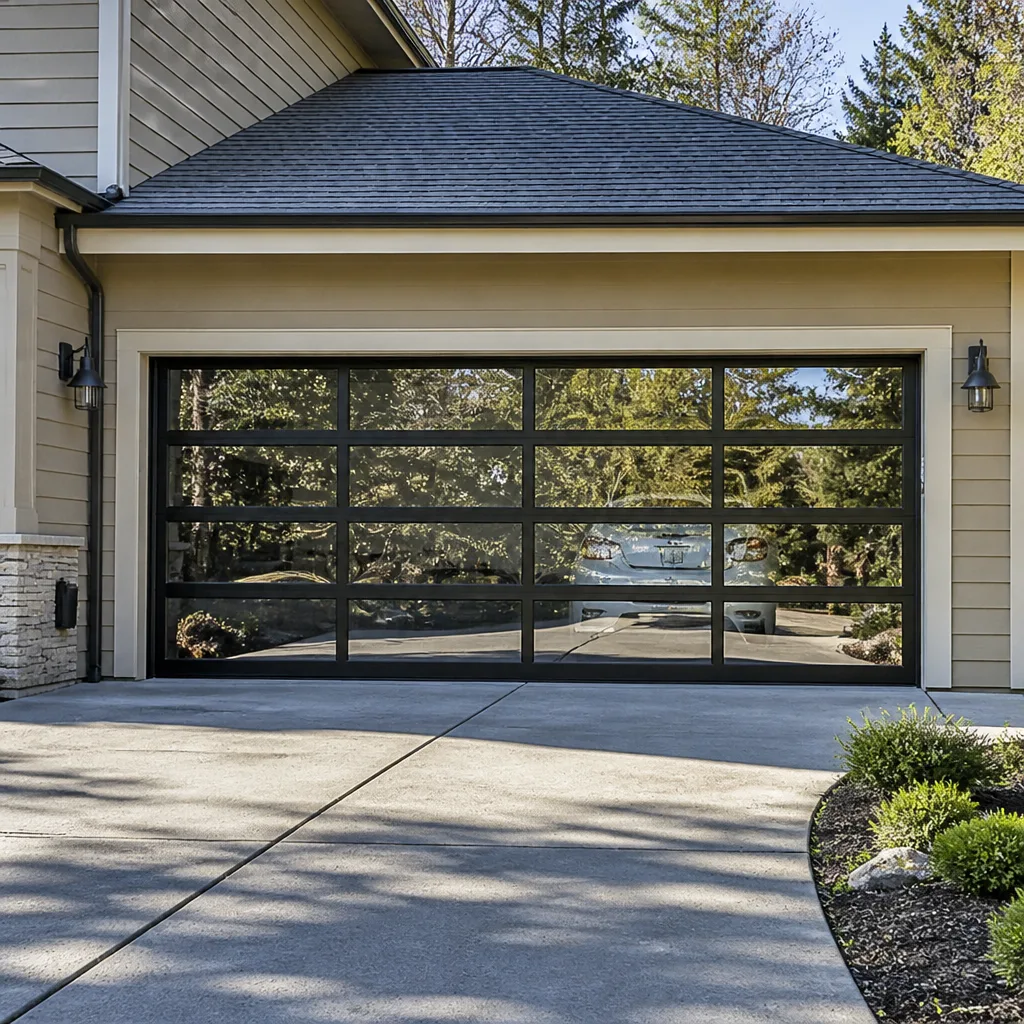 Full-view glass
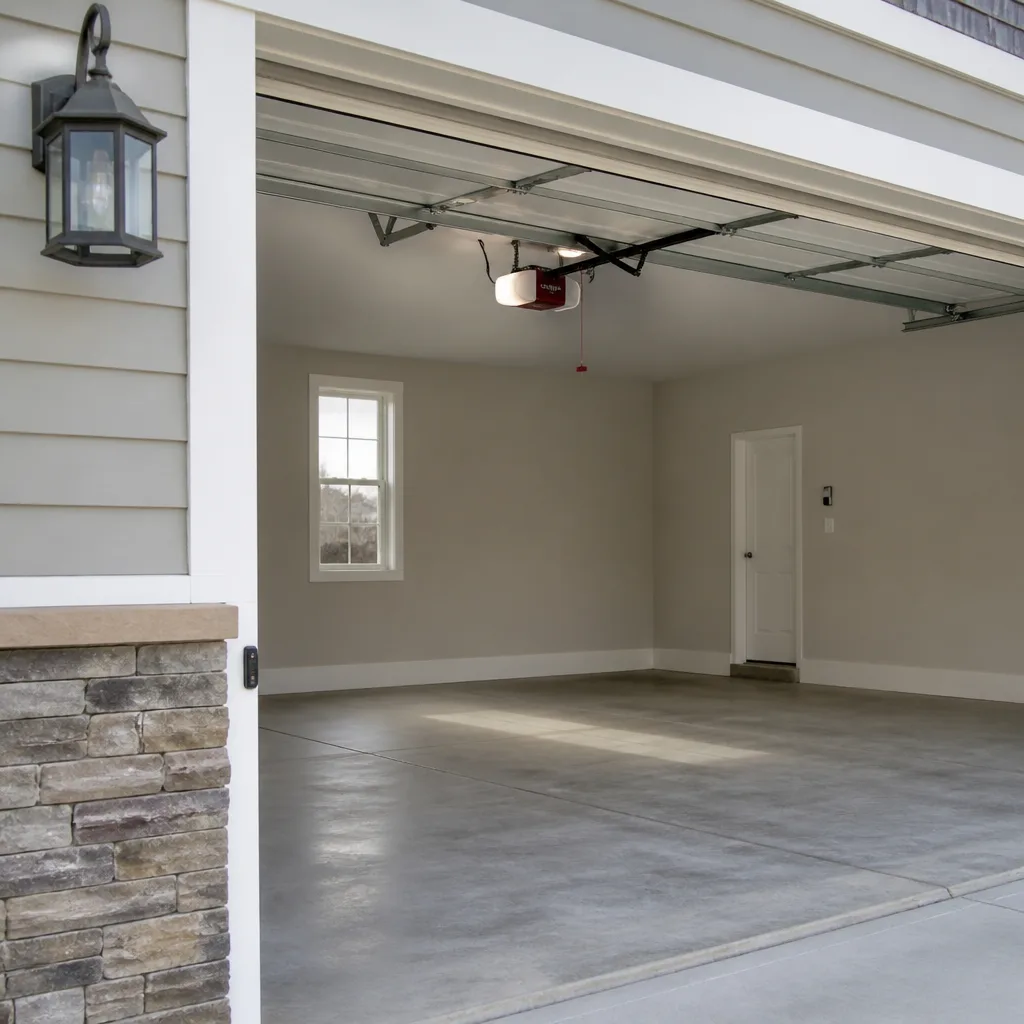 LiftMaster openers
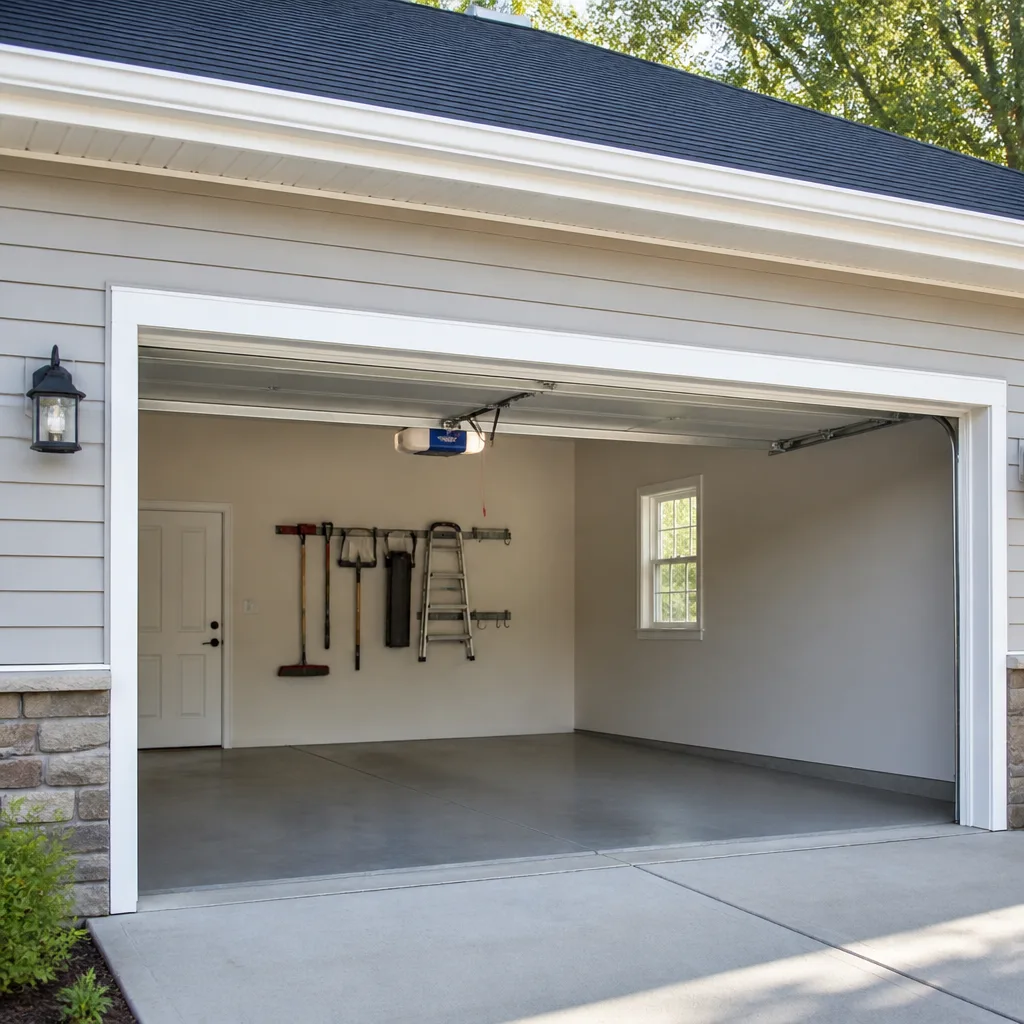 Chamberlain openers
Full 25-point door and opener safety check with every visit - springs, cables, rollers, tracks, and your LiftMaster or Chamberlain opener included
You get a price before we start. It does not change when the pro arrives.
Get your free estimateDIY vs Professional Garage Door: The Palm Coast Homeowner’s Decision Guide
You can legally replace your own garage door opener in Florida. You cannot legally perform many of the repairs that follow when it’s installed wrong. That gap between what’s allowed and what’s wise is where most Palm Coast homeowners get stuck, usually in the driveway on a Sunday afternoon with a door half-open and a car trapped inside. The DIY-versus-professional question for garage doors isn’t really about whether you’re handy. It’s about which specific tasks carry risk that follows you legally and financially in Florida, and which ones genuinely don’t require a licensed contractor. This guide gives you a clear answer by job type, not hedged advice.
Quick Answer
Most garage door maintenance and cosmetic work is legal and reasonable for a confident DIYer in Palm Coast: lubrication, visual inspection, roller and hinge swaps, and replacing a single torsion spring if you understand the tension and have the right winding bars. Anything involving the torsion system, the door’s balance, cables, tracks that have shifted, or a full door replacement belongs with a professional. Insurance and wind-load concerns in Florida make improper installation a claim risk, not just a repair risk.
Styles & brands we work with
- Raised-panel steel
- Carriage house
- Modern flush
- Full-view glass
- LiftMaster openers
- Chamberlain openers
Table of Contents
- What Florida law actually says about garage door work
- How DIY failure creates insurance claim complications
- Torsion springs: the honest risk assessment
- Tools and parts: what’s available in Palm Coast vs. what ships
- The decision matrix: job type, door age, your experience
- When a professional call is the only safe path
- Common mistakes to avoid
- Frequently asked questions
What Florida law actually says about garage door work
Florida’s construction licensing rules draw a line by scope and by dollar threshold, not by the specific component being touched. Replacing a garage door opener or a section of trim does not require a licensed contractor. Replacing the entire door as part of a structural opening, altering the header or track mounting, or any work classified as a construction contract above the statutory threshold does. Homeowners can perform work on their own primary residence, but the exemption applies to the homeowner living in the home, not to a neighbor helping out for cash.
Three practical takeaways for Palm Coast:
- A permit is typically required for a full garage door replacement because the door is a rated opening on the building envelope. Most cities review the installation as a wind-load component. Ask Palm Coast’s building department directly what your address requires before you order a door.
- Your homeowner’s insurance policy expects the opening to be installed to code. If you install a door yourself and skip the permit, the insurer has grounds to question a wind claim tied to that opening.
- Electrical work that goes beyond plugging in the opener (adding an outlet, running a new circuit to the garage) requires a licensed electrician in Florida. Plugging a smart opener into an existing outlet does not.
The rule of thumb: if the work touches the building envelope or the electrical system beyond the opener unit itself, the state wants a licensed professional. If it touches only the door or opener components, you can legally do it yourself. Whether you should is a different question, and that’s what the rest of this guide answers.
How DIY failure creates insurance claim complications
Florida homeowner policies are written with the assumption that openings and systems were installed and maintained properly. When a garage door fails during a storm and the adjuster’s inspection finds a track that was installed off-level or a spring that was the wrong wire gauge, the claim becomes a conversation about maintenance, and maintenance is usually excluded. That’s the real cost of an amateur install in Palm Coast, and it doesn’t show up until the day you need the policy to work.
The bigger liability exposure isn’t wind, it’s people. A torsion spring that fails under load releases stored energy in a direction that isn’t always the door’s. A door that has been improperly balanced can drop without warning. If a family member or a visitor is hurt because of a door you repaired yourself, the homeowner policy responds to the injury, but the conversation about how the door came to be in that condition still happens. A professional installation with a documented check gives you a clear line to point to.
Two specific areas where Florida policies commonly push back after DIY garage work:
- Wind-rated door claims. If the door being claimed is rated for a specific wind pressure and the installation doesn’t match the manufacturer’s spec, the insurer can treat it as a non-conforming opening.
- Water intrusion during named storms. If an improperly sealed door lets water into the garage and damages interior finishes or stored items, expect the adjuster to ask who installed the door and when.
We’re not telling you the insurer will deny every claim. We’re telling you they’ll ask, and the answer you can give depends on who did the work. If you’re weighing garage door repair against doing it yourself on anything that touches the opening or a safety component, that’s the calculation that matters more than the labor cost.
Torsion springs: the honest risk assessment
Torsion spring replacement is the single garage door task most often underestimated by DIYers, and the risk isn’t theoretical. Springs are safety hardware. They carry the weight of the door under tension, and when they’re wound to spec they store enough energy to cause serious injury if a winding bar slips. Many general handymen won’t touch them. That’s not because handymen lack skill, it’s because the specific technique for winding and calibrating to the door’s weight is its own discipline.
Here’s the honest breakdown of what makes a torsion spring job categorically different from the rest of the door:
- The tension is invisible. You can’t look at a wound spring and tell how much energy it holds. You can’t inspect your way to safety the way you can with a loose hinge or a worn roller.
- The winding bars must be the correct size and fully seated. A bar that slips out under load is the most common injury mechanism in this trade.
- Replacement springs have to match the door weight. Walking into a supplier and buying “a spring the same length” is not the same as matching the wire gauge, inside diameter, and number of coils to what the door actually weighs. A mismatched spring will fail early or unbalance the door.
- Extension springs have their own failure mode. Many older Palm Coast doors have extension springs, and those require containment cables to be present and properly attached, or a broken spring becomes a projectile.
The correct procedure, in order: the door is fully closed and secured, the tension is released with proper winding bars, the old spring is removed and matched to weight, the new spring is installed and wound to the correct number of turns, and the door is balance-tested across its full travel. Skipping any step is how a DIY spring job ends up right back where it started, usually with a bent track as a bonus.
Our garage door spring repair is treated as a core specialty because the stakes are real. Our technicians have up to 8 years of experience and match springs to the door they’re actually on, not to the one somebody guessed the size of. Replacing one spring typically runs $180 to $340 in Palm Coast, and a matched pair (which is usually the right call on a door of any age) costs about twice that. A pro winds the door, checks balance, and you never stand under a loaded spring with a bar you’re not sure fits.
Tools and parts: what’s available in Palm Coast vs. what ships
The sourcing reality is the part of the DIY calculation that most people don’t run before they start. In Palm Coast, hardware and big-box stores carry the everyday parts: rollers, hinges, bottom seals, opener accessories, and common LiftMaster and Chamberlain remotes. What they don’t carry is anything specific to a Raynor door or a Genie opener that’s out of the current catalog, and that changes the time math.
The parts you can usually find locally:
- Standard nylon or steel rollers and hinges
- Bottom seal and side seal material in common sizes
- LiftMaster and Chamberlain remote controls and wall buttons
- Universal hardware kits and lubricant
The parts that usually have to ship:
- Panel sections for a specific Clopay or Amarr door series, especially on anything more than a few years old
- Torsion springs matched to wire gauge and wind
- Opener logic boards, gears, and drive components for older Craftsman units
- Any door component on a Raynor or Wayne Dalton series the local store doesn’t stock
That shipping time changes the cost calculation in a way the DIY how-to videos never mention. A $40 part that ships in four to six days isn’t a $40 savings if the car is trapped in the driveway for those four to six days, or if the door sits open in a Palm Coast afternoon thunderstorm because you couldn’t close it. Add the overnight shipping and you’ve often closed the gap on what our garage door opener repair would have cost for a job we finish the day we arrive.
The decision matrix: job type, door age, your experience
Hedged advice isn’t helpful. Here’s the honest version. Use this matrix to decide in under a minute.
Jobs you can reasonably DIY
- Lubrication and inspection. Every six months, any door, any age. This is the highest-value DIY task on the list.
- Roller and hinge replacement. Straightforward on doors under 10 years old with no panel damage.
- Bottom seal replacement. Simple, and protects the door from water sitting at the threshold.
- Remote pairing and battery replacement. On any LiftMaster, Chamberlain, Genie, or Craftsman opener.
- Visual adjustments of photo-eye alignment. If the opener won’t close because the sensors aren’t lined up, that’s often a five-minute fix.
Jobs that need a professional
- Torsion spring replacement. Any door, any age, any homeowner. Ask yourself one question: have you been trained on winding bars and balance testing? If no, call a pro.
- Extension spring replacement. Same answer, and adding containment cables is part of the job.
- Cable replacement or repair. The cable is what holds the whole system in tension. A mis-routed cable is a serious hazard.
- Track realignment. If the door is off its tracks, that means the geometry has shifted. Resetting it is a measured procedure, not a hammer-and-lever job.
- Panel replacement or section repair. Panel alignment and spring rebalancing are one job, always.
- Opener replacement on a door with any existing spring problem. The opener should never be the thing holding a door up. If it’s doing work the spring should do, the spring is the actual failure.
- Full door replacement. Permitted, wind-rated, and structurally tied to the opening.
By door age
- Under 5 years: Most adjustment and cosmetic work is DIY-friendly. Springs and cables still belong with a professional.
- 5 to 15 years: Tracks are more likely to have shifted. Rolling and hinge work can stay DIY, anything touching the balance point should not.
- Over 15 years: Hardware tolerances have loosened and springs are near end of life. This is the age where a minor DIY repair tends to escalate the underlying wear. It’s also the range where a Palm Coast Garage Door Repair Pros inspection is a good call before you sink time into a repair the door is due to outgrow.
By your own mechanical experience
Be honest about this one. If you’ve replaced a timing belt or rebuilt a bicycle wheel, the mechanical side of garage doors will feel natural. If you own a basic socket set and that’s it, the torsion system will feel like a foreign object, and it should. The single most useful line in this whole matrix: if you can’t explain how torsion tension works before you start, don’t start.
When a professional call is the only safe path
Sometimes the decision isn’t a decision. These are the situations where we’d tell a friend to stop and call someone rather than hand them a wrench.
- The spring is broken. Whether it’s one spring or a matched pair, that’s a trained technician job. Don’t let the door run on the opener as a workaround. Openers burn out fast when they’re pulling a door a spring should carry.
- A cable has snapped or come off its drum. The door is now unpredictable. Do not cycle it to “see if it opens.”
- The door is off its tracks or uneven. Track geometry failure can release the door in the wrong direction.
- The opener is running but the door isn’t moving. This can be the opener, the safety reverse, or a stripped gear. Diagnosing which one is faster with a trained technician than by process of elimination.
- The door won’t close and the house is open. After a storm, after a power event, or after the safety sensors have been knocked out of alignment. This is a security situation. Genie and LiftMaster units commonly trip on a safety sensor before the opener itself has failed.
- You’re replacing a full door or adding a new opener to an older door. New electrical, new balance, new permit.
We work on Raynor, LiftMaster, Chamberlain, and Genie systems regularly, and the reason that matters is diagnostic speed. A door that won’t close because the safety sensors are out of alignment on a Chamberlain unit takes a different path than the same symptom on an older Genie chain-drive. Knowing which one you’re looking at is the difference between a fix and a replaced part that didn’t need replacing.
Our technicians have up to 8 years of experience across these systems. When a spring fails or a door needs to be secured, we run emergency service as a core offering, not as an upsell. The local pro we connect you with is licensed and insured as Florida requires, and the price is quoted and agreed before any work starts. Free estimates, upfront pricing. Call (866) 551-8438 and describe what you’re seeing on the door.
Common Mistakes to Avoid
A few of these are specific to Palm Coast, and a few are universal. All of them are things we get called out to correct.
- Removing a torsion spring without winding bars. There’s no safe substitute. Screwdrivers, pliers, and whatever’s in the drawer are how people get hurt. Buy the bars or hire the job out, there’s no middle ground.
- Replacing one spring when the pair is due. The springs were matched for a reason. A single new spring with an old partner unbalances the door and shortens the life of the new one. On a door with any age to it, the pair is usually the right call.
- Buying a “same size” spring without matching wire gauge and wind. Length and inside diameter are the easy part. Wire gauge and the number of coils determine how much lift the spring provides, and getting those wrong means the door is heavy on the operator or overpowered.
- Skipping the balance test after any spring or track work. The door should hold in a half-open position on its own. If it drifts, the balance is off, and the opener will spend the next few months eating the difference.
- Running the opener on a door that isn’t opening easily. If the door feels heavy, it is heavy, and running the motor harder is not a fix. It’s the fastest way to strip a gear or burn out a logic board on a LiftMaster or Craftsman unit.
- Installing a door without a permit to save the fee. The savings are small and the insurance conversation isn’t. In Palm Coast, wind-rated openings are reviewed for a reason.
- Sealing around a new door with the wrong material for a Florida thunder season. The bottom seal and the perimeter weatherstripping do most of the water management. Whatever the door, if the seal isn’t sitting flat against the threshold, water is coming in.
See the difference
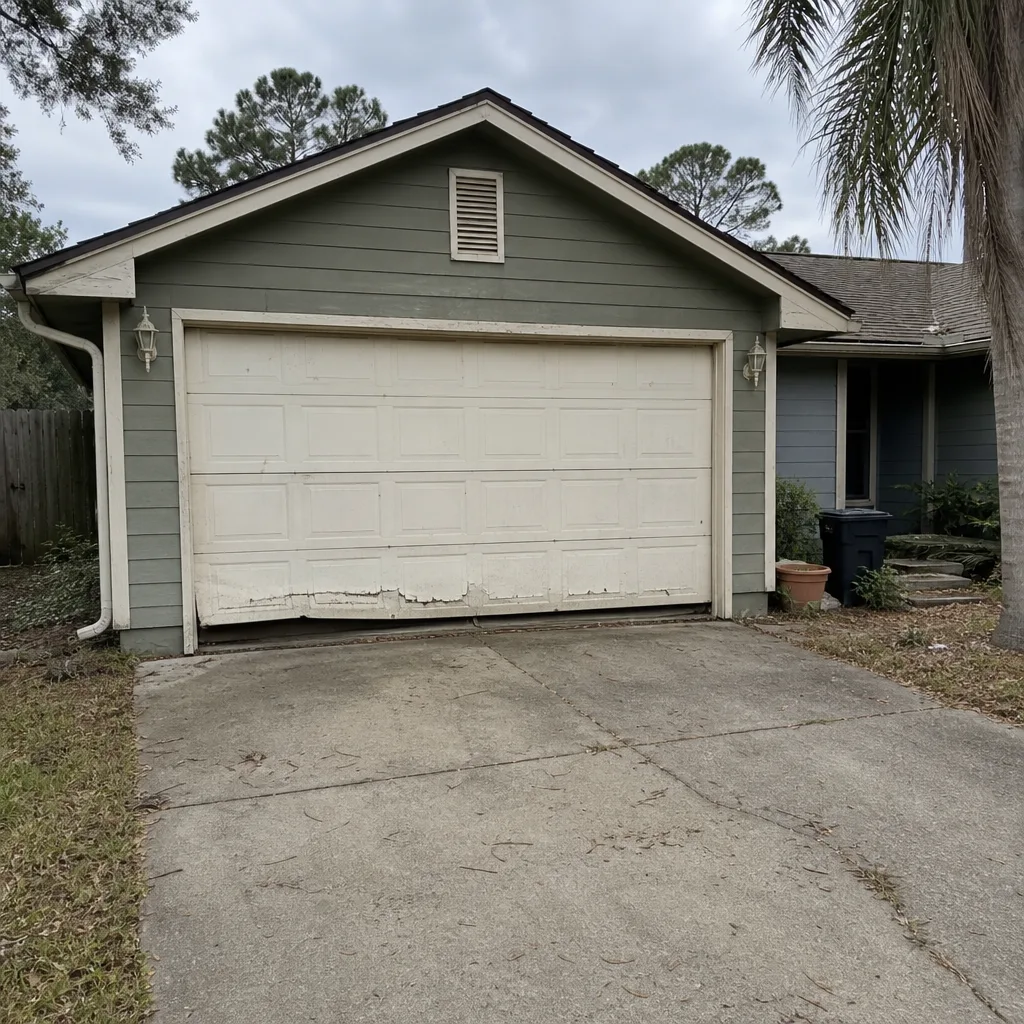 Before
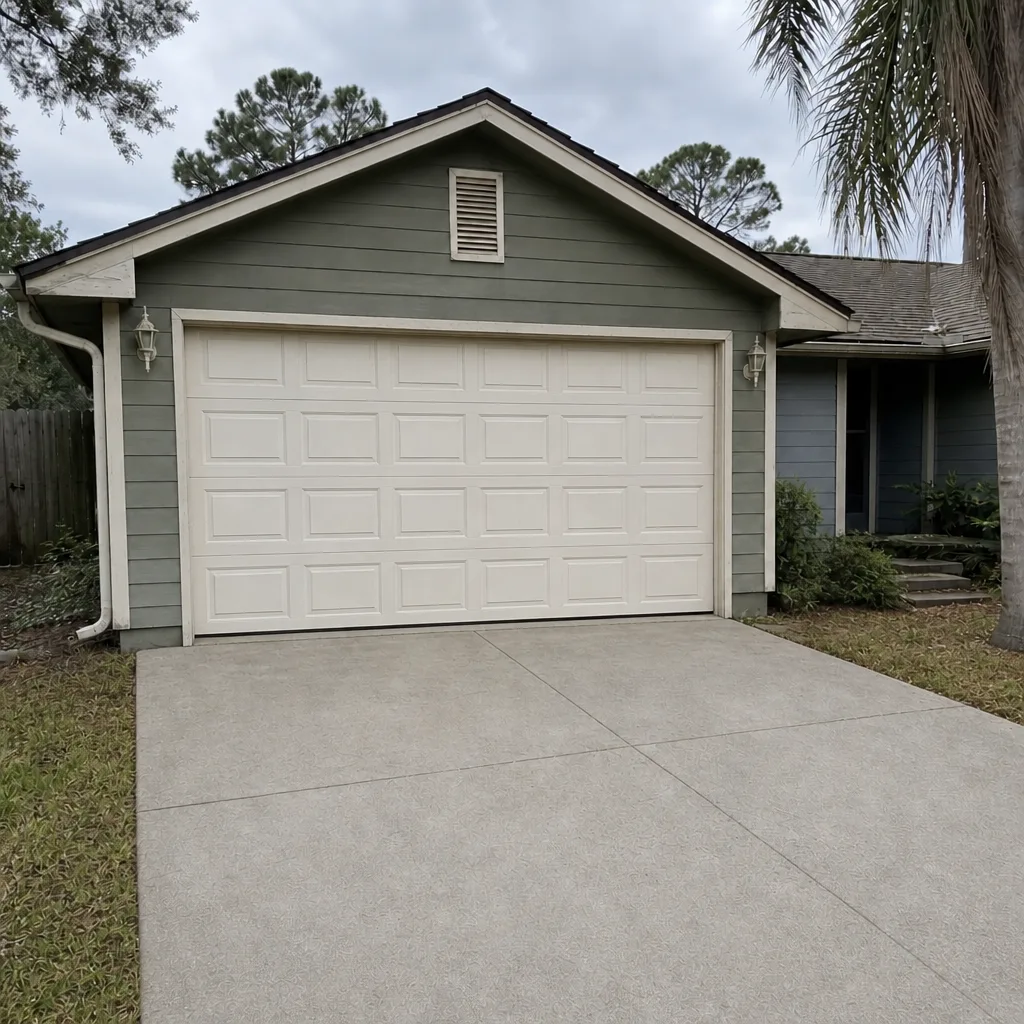 After
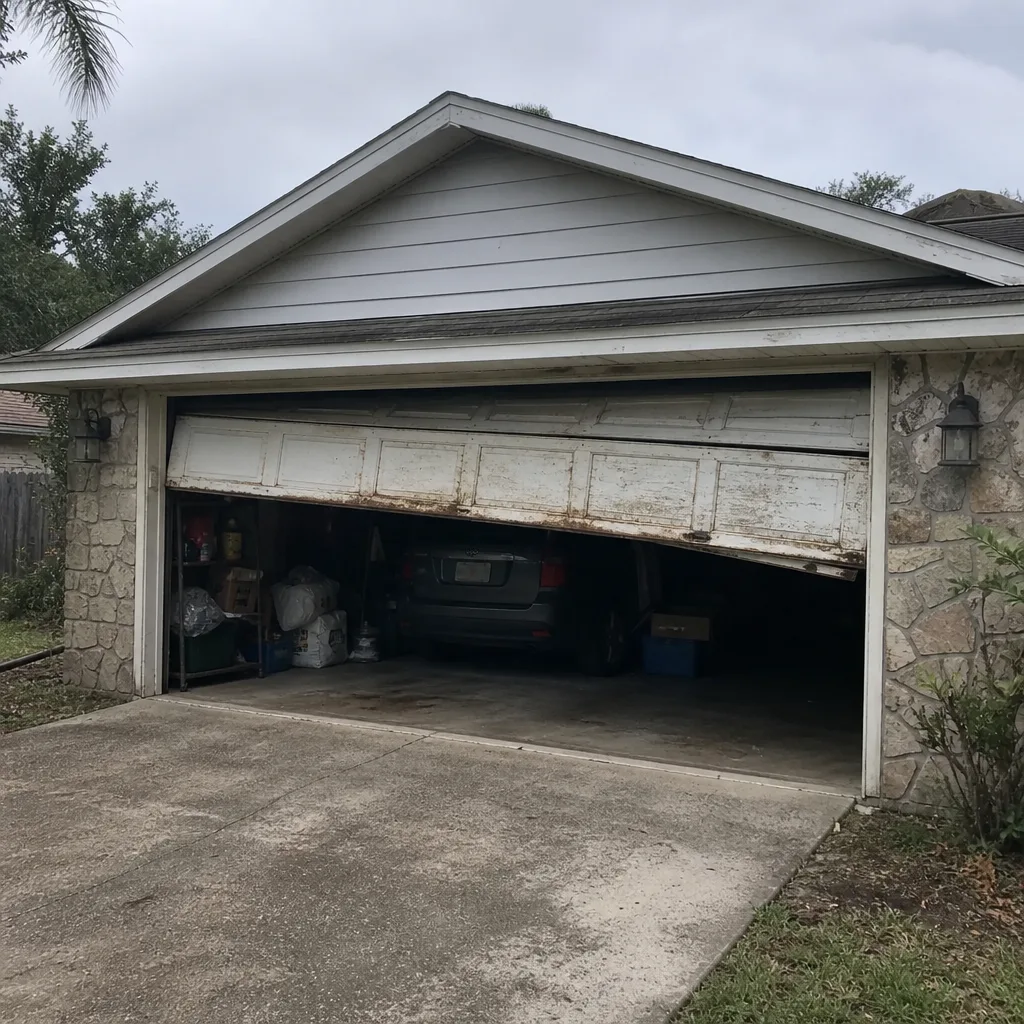 Before
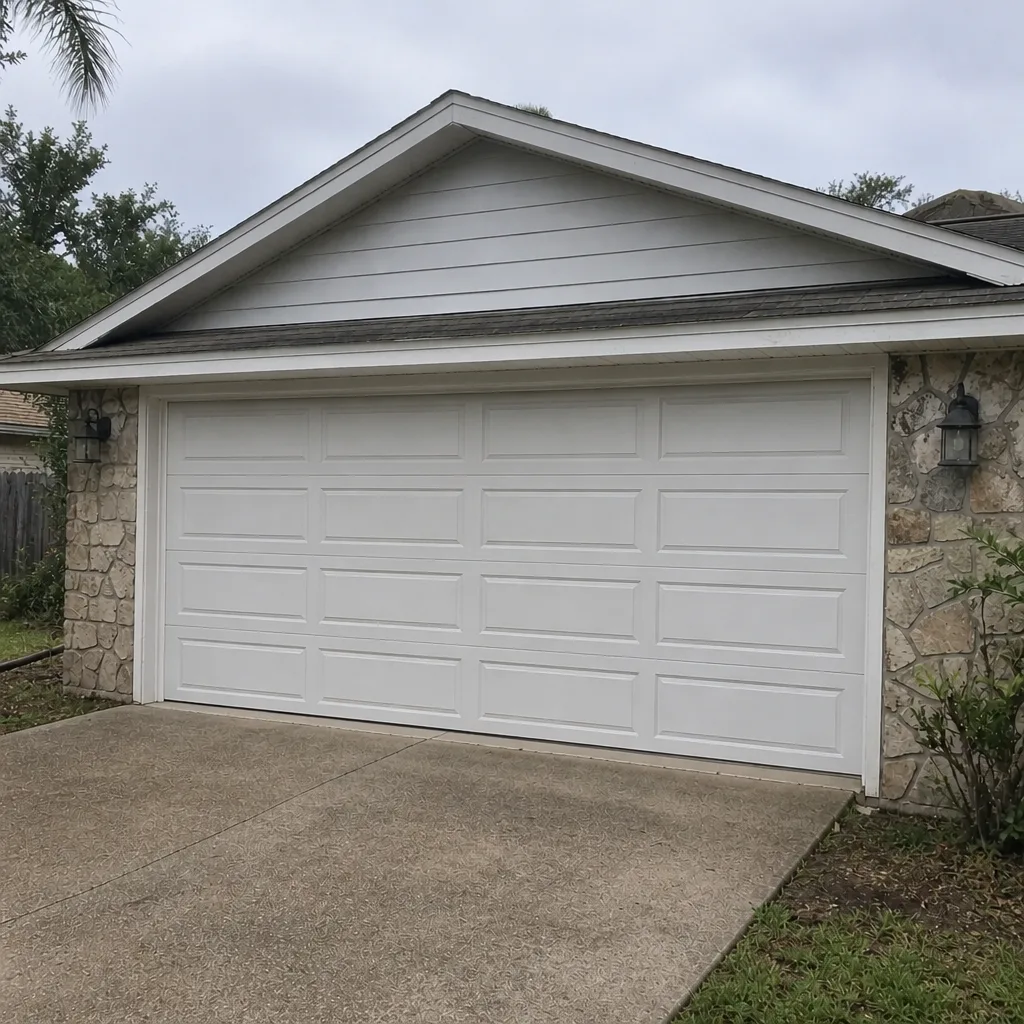 After
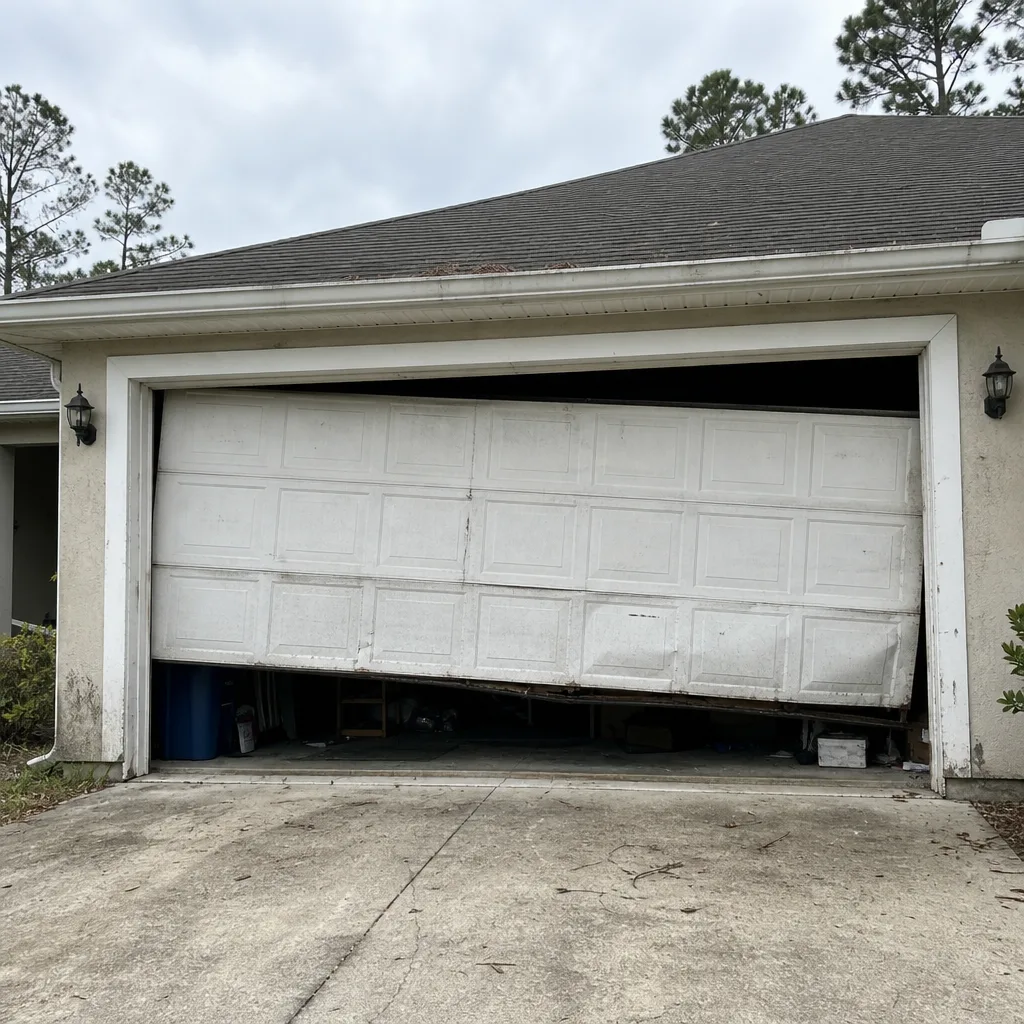 Before
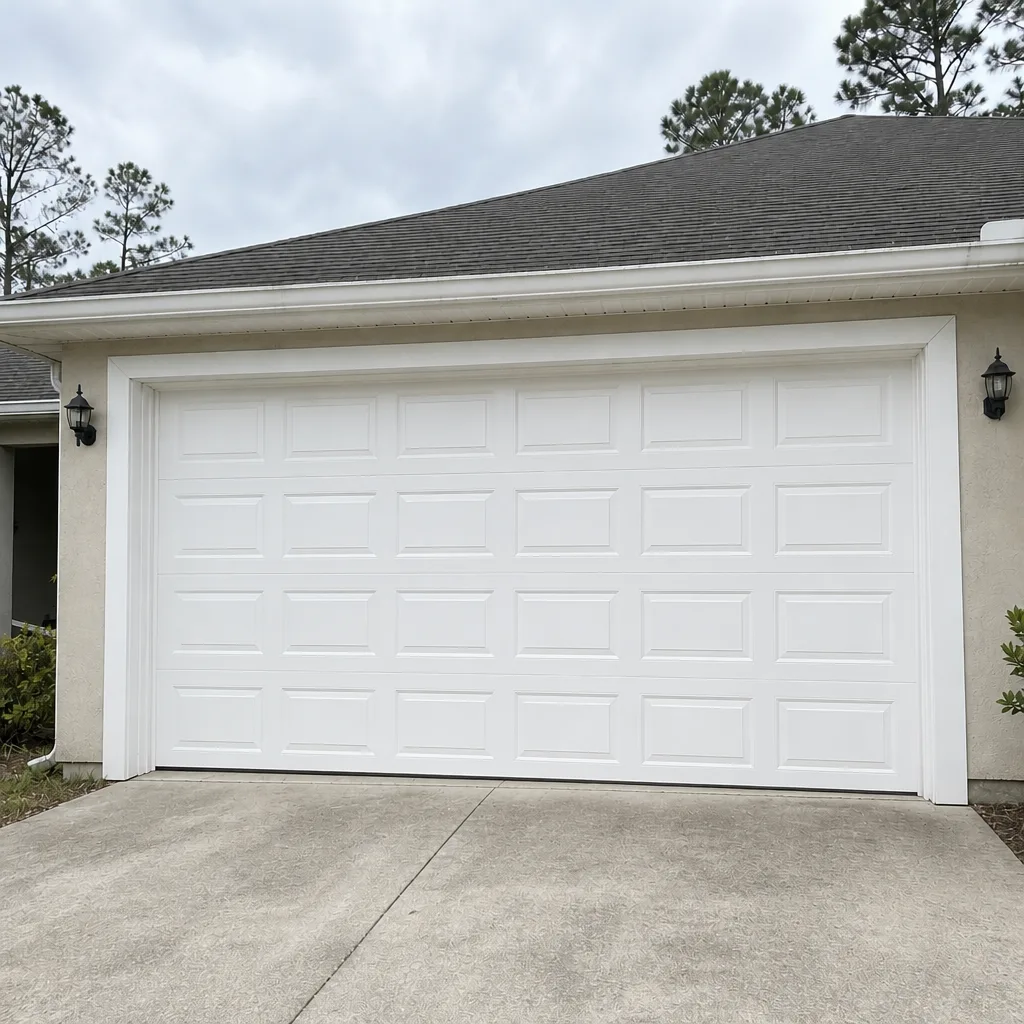 After
When to Call a Professional
Call us when the job touches a spring, a cable, the door’s balance, the tracks, or the permit. Call us when the door is your only access to the car and the fix has to happen today. Call us when the door won’t close and the house is open. Call us when you’ve already started and something didn’t feel right, because stopping is always cheaper than finishing the wrong way.
For everything else, the honest answer is often that you can do it, and we’d rather tell you that than sell you a repair you don’t need. Palm Coast Garage Door Repair Pros offers free estimates in Palm Coast, and we work on Raynor, LiftMaster, Chamberlain, and Genie equipment sitting in your driveway right now. If you’re not sure which side of the line a job falls on, call (866) 551-8438 and we’ll tell you.
Frequently Asked Questions
Yes. Replacing a garage door opener in Florida is generally considered a homeowner maintenance task, not a licensed contractor job, as long as the existing wiring and outlets aren’t being modified. What you can’t legally do yourself is add a new circuit or outlet to power it, which requires a licensed electrician. Call (866) 551-8438 for a free estimate if you’d rather we handle it, or to ask about a specific opener brand.
Yes, the state doesn’t prevent a homeowner from working on their own garage door spring, but the legality question is the wrong one here. The spring carries the door’s weight under tension, and the risk of injury during winding is real for anyone without proper training. Most general handymen won’t touch torsion springs for that reason. Call (866) 551-8438 and we’ll quote the job, typically $180 to $340 for one spring, and about twice that for a matched pair.
It can, especially on work that touches the door’s wind-rated installation or the electrical system. If a claim ties back to a component the insurer considers improperly installed or maintained, they can question coverage. The safest rule is to leave permit-required work to a licensed professional and keep a record of who did it. Call (866) 551-8438 if you want a free assessment of what your door needs.
Typical repair jobs in Palm Coast run from $180 to $340 for a single torsion spring, with a matched pair about twice that. Roller and hinge work is generally at the low end of that range, and opener diagnostics depend on the failure. The written estimate is the price, quoted before any work starts, and urgent repairs are usually scheduled the same day when it’s a case where you can’t wait. Call (866) 551-8438 for an exact quote, estimates are free.
You can, but it’s usually not the best call. Springs are matched to each other and to the door’s weight, and a new spring next to an old one unbalances the door and shortens the new spring’s life. On a door with any age to it, the pair is the recommended replacement. Call (866) 551-8438 and let a technician check the balance before deciding which way to go.
Rollers, hinges, bottom seals, and most LiftMaster and Chamberlain opener accessories are typically available from local hardware and big-box stores. Torsion springs matched to your door, panel sections for a specific Clopay, Amarr, Raynor, or Wayne Dalton series, and older Craftsman or Genie logic boards usually have to be ordered. That shipping time is the hidden cost in DIY. Call (866) 551-8438 if you’re waiting on a part and the door is stuck.
The local professional we connect you with is licensed and insured as Florida requires, and our technicians have up to 8 years of experience across LiftMaster, Chamberlain, Genie, Clopay, Amarr, Wayne Dalton, Craftsman, and Raynor equipment. The price is agreed before work starts. Call (866) 551-8438 for a free estimate.
Torsion springs mount horizontally above the door and twist to lift it; extension springs run along the side tracks and stretch. Both need proper sizing to the door’s weight. Both are safety-critical. The repair method differs, so knowing which one is on your door changes the job. Call (866) 551-8438 if you’re not sure which you have.
The Bottom Line
The DIY-versus-professional decision for garage doors in Palm Coast isn’t about whether you’re capable. It’s about which tasks carry risk that follows you, legally and financially, in Florida. Lubrication, rollers, seals, and remote pairing are genuinely do-it-yourself work, and doing them yourself saves money and helps the door last. Springs, cables, tracks, full door replacement, and anything that requires a permit belong with a trained professional, and the reasons are insurance, safety, and the fact that a mis-sized spring will fail under load. If you’re not sure which side of the line a job falls on, call and we’ll tell you, honestly. That’s not the sale, it’s the service.
Ready for a straight answer on your door? Call Palm Coast Garage Door Repair Pros at (866) 551-8438 for a free estimate. We work on Raynor, LiftMaster, Chamberlain, Genie, Clopay, Amarr, Wayne Dalton, and Craftsman systems, we treat springs as the safety hardware they are, and we run emergency service for the moments where you can’t wait. The price is quoted before any work starts.
Written by the team at Palm Coast Garage Door Repair Pros.