Last updated November 22, 2026
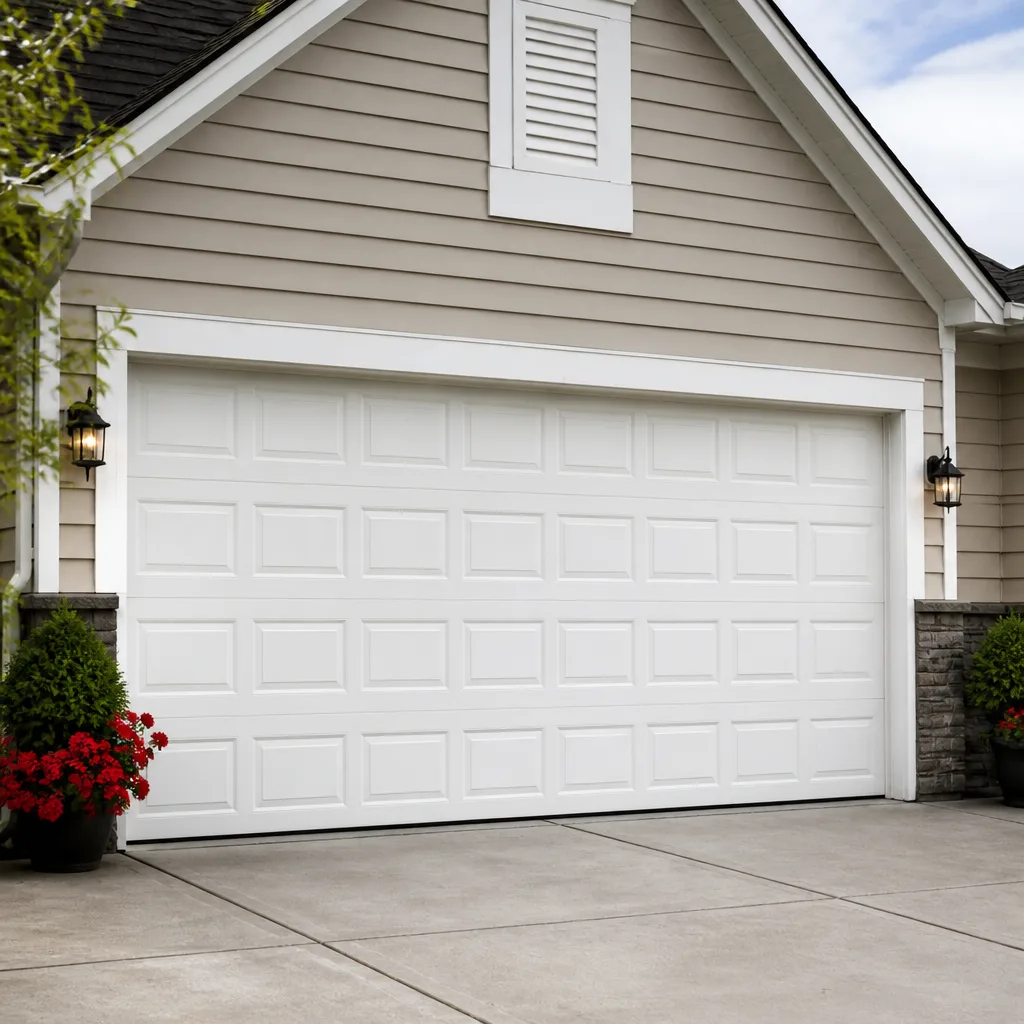 Raised-panel steel
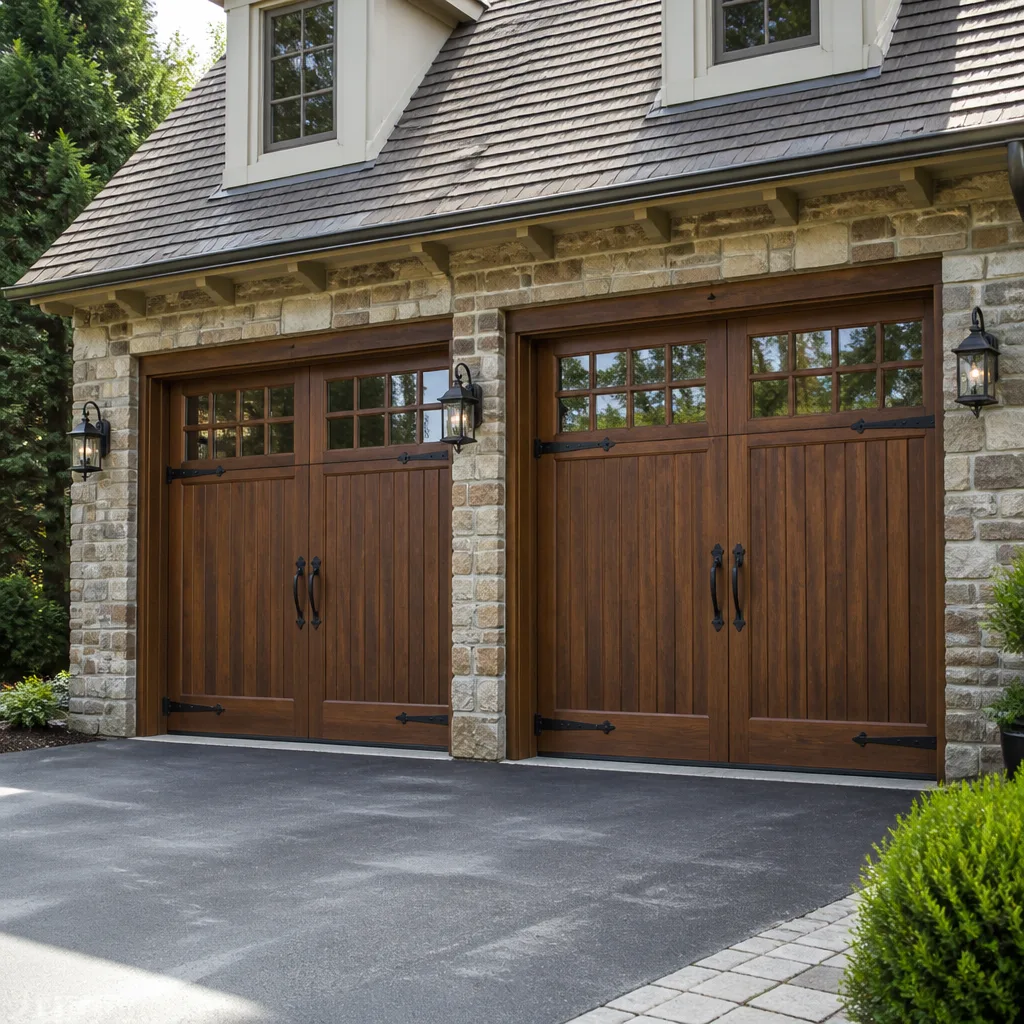 Carriage house
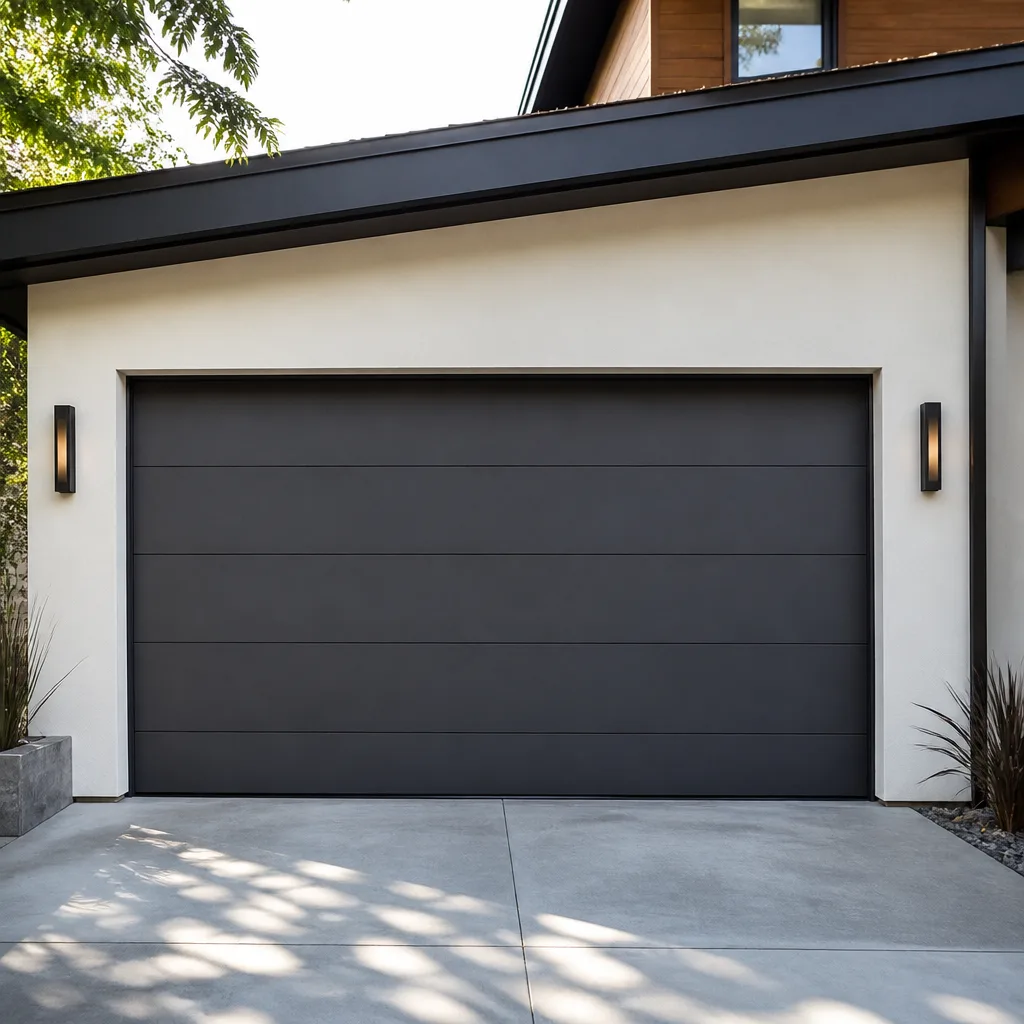 Modern flush
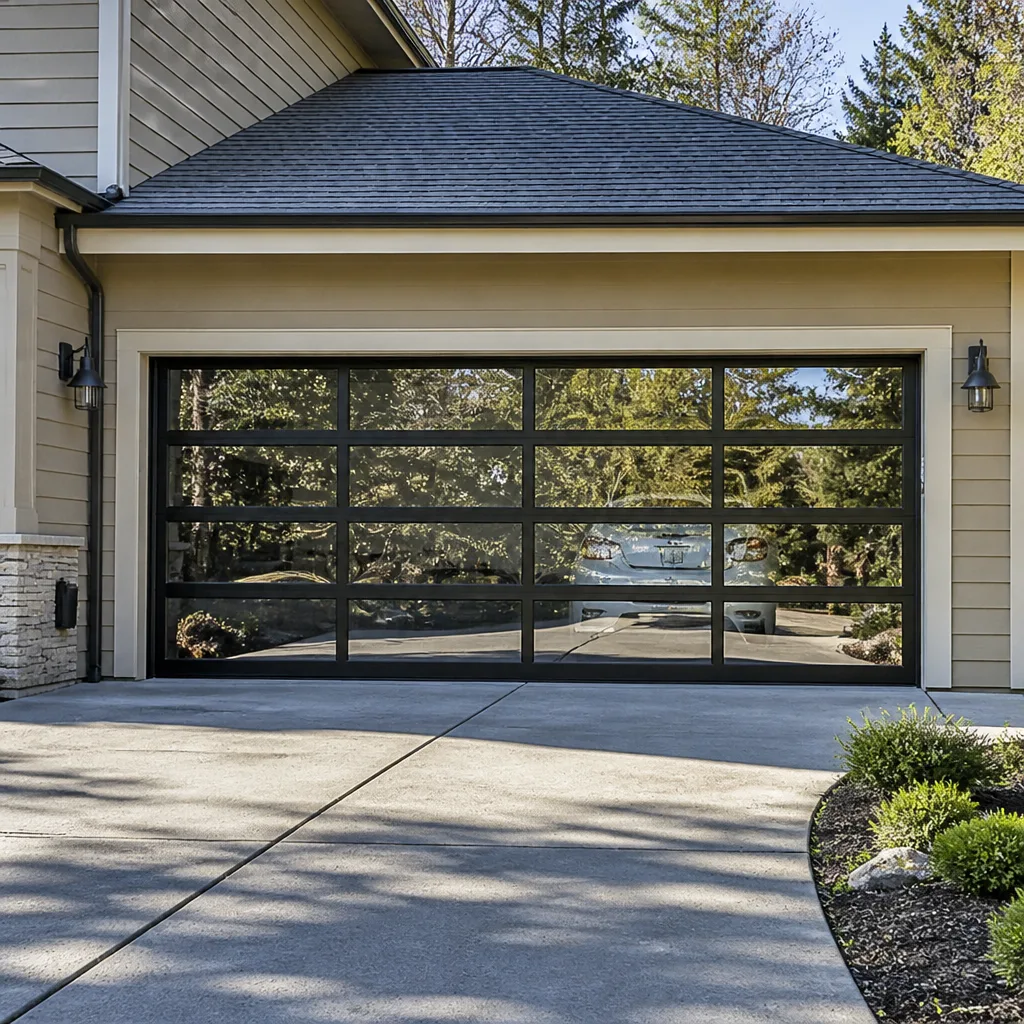 Full-view glass
 LiftMaster openers
 Chamberlain openers
Full 25-point door and opener safety check with every visit - springs, cables, rollers, tracks, and your LiftMaster or Chamberlain opener included
You get a price before we start. It does not change when the pro arrives.
Get your free estimateSeasonal Garage Door Care for Palm Coast: Year-Round Homeowner’s Guide
Palm Coast doesn’t really have four seasons. Ask anyone who has lived here through a full calendar and they’ll tell you it’s a dry season, a storm season, and two shoulder stretches in between, each with its own demands on a garage door. Most seasonal maintenance advice is written for places with snow and a hard freeze, which means it misses the things that actually wear out door hardware here. Humidity, blowing rain, and the day-to-night temperature swing in our “winter” do more to a door than cold ever will. This guide walks through what to check and when, month by month, so you’re not learning the weaknesses of your door in the middle of a named storm.
Styles & brands we work with
- Raised-panel steel
- Carriage house
- Modern flush
- Full-view glass
- LiftMaster openers
- Chamberlain openers
Quick Answer
Garage door care in Palm Coast follows a storm-driven calendar rather than a traditional four-season one. Inspect and tighten hardware before storm season in April and May, watch for humidity intrusion into opener electronics from June through September, run a full assessment in October after the last storm threat passes, and check spring tension and balance during the dry season from November through March. Lubricate moving parts twice a year and replace worn rollers, hinges, and weather seals on a schedule tied to those checkpoints, not to the calendar most national guides use.
Table of Contents
- Why Palm Coast’s Seasons Aren’t What Your Old Maintenance Guide Assumed
- Pre-Storm Season Prep (April – May)
- Storm Season Protocol (June – September)
- Post-Storm Assessment (October)
- Dry Season: Why Temperature Swings Move Your Springs (November – March)
- Annual Lubrication and Hardware Replacement Schedule
- Opener Care Across the Year
- Common Mistakes to Avoid
- When to Call a Professional
- Frequently Asked Questions
- The Bottom Line
Why Palm Coast’s Seasons Aren’t What Your Old Maintenance Guide Assumed
National garage door maintenance guides are built around one cycle: cold weather causes contraction, spring thaw reveals problems, and a fall tune-up gets you ready for winter. That framework doesn’t map to Palm Coast. We don’t get the freeze-thaw stress those guides are written around. What we get instead is sustained humidity, months of heavy rain, and a winter where the afternoon is warm and the early morning is cool enough to matter.
That difference changes which parts of your door fail first and when. It changes the timing of inspections. And it changes the things worth looking at in April versus the things worth looking at in January. A door in the Hammock and a door in Palm Coast’s Grand Haven area face the same general climate, but the schedule they need is set by our weather pattern, not the one printed on a manufacturer’s card from thirty years ago.
Here’s the seasonal framework this guide uses:
- April – May (pre-storm prep): tighten, brace, and inspect before the first named storm of the year.
- June – September (storm season): watch for humidity and water intrusion, and know what to check after a storm passes.
- October (post-storm assessment): a structured walk-through after storm exposure, in a set order.
- November – March (dry season): monitor spring tension and door balance as overnight temperatures shift.
Each of those stretches gets its own section below. The point isn’t to hand you a list to obsess over daily. It’s to get you out to the garage once at each checkpoint, look at the things that actually move, and catch a small problem before it becomes a door that won’t close. If you ever open the door, hear something off, and want a second opinion, our garage door repair service exists for exactly that call.
Pre-Storm Season Prep (April – May)
April and May are the window to look over your door before the first named storm of the season gets close. Once a storm is forecast, you can’t safely climb up and start tightening things, and no responsible tech is going to come out mid-evacuation. So the prep happens now.
What to inspect before the first named storm
- Track bolts and brackets. Follow the tracks up both sides and check every bolt that holds them to the wall and to the header. Loose brackets are the most common failure we see after a windy stretch, and they’re the easiest thing to catch early.
- Hinges and roller stems. Test each hinge by hand. A hinge that wiggles is a hinge on its way out. On older doors, this is where a panel can start to work loose from the rest.
- Weather seals. Run a hand along the bottom seal and up the sides. Any crack, gap, or section that’s pulled away from the door lets rain blow in during a storm. Replace the seal, don’t just push it back.
- Bracing hardware on older doors. Older single-car and double-car doors often have a strut or reinforcement bar across the top panels. If your door has one, confirm it isn’t bent or missing fasteners. It’s there to resist exactly the kind of load a storm puts on a wide, flat surface.
- Panel alignment. Stand back and look down the door from one side. If the panels don’t line up in a straight vertical plane, that’s a sign of loose hardware or a bent track, and it should be addressed before the door takes any wind pressure.
The hardware on your door is what holds it together under load. If you’re not comfortable getting on a ladder and testing bracket tightness, this is the checkpoint where a professional inspection pays for itself. A door that’s correctly braced and tightened is your best defense, and it’s the version of the door your insurance and your household actually benefit from. If anything’s been loose, squeaking, or struggling, call us before the season starts and get it looked at.
Storm Season Protocol (June – September)
June through September is when your garage door takes the most abuse and gets the least attention. Heat, rain, and repeated cycles from a door you’re using every day all stack up. Two things matter most during these months: keeping water out of the opener electronics, and knowing what to check after a direct weather event.
Humidity infiltration and opener electronics
Prolonged rain pushes humid air into the garage from every seam the seal doesn’t close, and your opener’s control board is the most sensitive piece of equipment in that space. Most newer units have some humidity tolerance, but a board that runs warm, sits in a garage with a weak bottom seal, and takes weeks of damp air is a board that fails early. The fix is mostly prevention:
- Keep the bottom seal intact so rain doesn’t blow under the door and sit on the slab.
- Look at the garage ceiling and the opener housing after heavy rain. Any discoloration or dampness above the opener is worth a call.
- Make sure the wall control and safety sensors aren’t showing intermittent faults. A blinking sensor after a storm is a signal, not a quirk.
Different brands handle humidity and modern smart features differently. A Chamberlain opener with built-in Wi-Fi behaves differently from an older Genie or a legacy unit when it gets wet, and treating every opener the same is how you end up replacing a unit that just needed the right diagnostic. That’s the reason we service across the major brands rather than farming out the jobs we don’t recognize.
What to check after a direct weather event
- Look at the door from outside. Photos of both panels and tracks, from a safe distance, so you can compare before and after.
- Test the opener once, from inside, and listen for any change in sound or speed.
- Check both tracks along their full length for debris, branches, or anything that has shifted.
- Run the door a few inches up and back down by hand if it will allow it, watching for a bind.
- Don’t force a door that won’t move. A bent track or a misaligned panel can damage itself further under power.
If anything looks off after a storm, stop cycling the door and get it checked. You can reach us for urgent repairs, and a door that fails during storm season is exactly the situation our emergency service is built for.
Post-Storm Assessment (October)
October is when the storm threat eases and you finally get to walk the property knowing the worst is behind you. It’s also when the damage that didn’t announce itself in June and July shows up. This is the assessment checkpoint, and it works best as a sequence.
Run the inspection in this order, because each step tells you whether the next one is worth doing:
- Hardware first. Walk the tracks and check every bracket, bolt, and hinge. Storm exposure can loosen things that held through the previous season.
- Seals second. Bottom seal, then side seals, then the header seal. Replace anything that’s cracked, torn, or filled with grit.
- Track alignment third. With the door fully down, sight down each track from the bottom. A track that curves out or in at any point is a track that will eventually cause the door to bind.
- Panels last. Look for dents, bends, or a panel that has started to sit unevenly. Small cosmetic damage doesn’t always need replacing, but a panel that’s structurally compromised should be addressed before the next storm season.
Track alignment is the item most homeowners miss. It’s easy to see a dented panel and ignore a track that’s off by a quarter inch, but a misaligned track puts constant side load on the rollers and the opener, and that’s what turns a small alignment issue into a full repair a few months later. If you’d rather not judge alignment yourself, this is a good month to book an inspection. A lot of door problems in Palm Coast start as alignment issues that nobody looked at.
Dry Season: Why Temperature Swings Move Your Springs (November – March)
Our “winter” is mild, but it is not uniform. Over the dry season, the overnight low and the afternoon high can be far enough apart that door hardware feels the difference. Metal expands and contracts with temperature, and the torsion springs that carry the weight of your door are sensitive to that. A door that balanced perfectly in July may feel slightly off in January, not because anything is broken, but because the springs are holding tension at a different temperature than they were set at.
How to check for spring tension changes
You don’t need to get near the springs to know if tension has shifted. You can tell by how the door behaves:
- Let the door come down under opener power, then disconnect the opener by pulling the release cord and try to lift the door by hand. It should lift with steady, even effort. If it feels heavy at the top or bottom, or wants to drop, the springs are out of balance.
- Listen for a change in sound as the door opens and closes. A door that’s gotten louder or has a new squeal or grind at a specific point in the cycle is telling you something.
- Look for a door that doesn’t stay put when raised partway. It should hold its position. If it falls or rises on its own, the tension is off.
Springs are safety hardware. A torsion spring under tension stores enough energy to cause serious injury, and adjusting tension is not a homeowner task. If the balance check tells you something is off, stop using the door and get it looked at by a trained professional. We handle garage door spring repair as a core part of what we do precisely because it’s high-stakes work that a lot of general handymen won’t touch, and it needs to be done with the right technique.
Annual Lubrication and Hardware Replacement Schedule
This is the schedule we’d hand a Palm Coast homeowner: not a generic “twice a year” card, but a set of checkpoints that map to our actual climate.
Lubrication
- April (pre-storm): Lubricate hinges, roller stems, and the torsion spring coils with a garage-door lubricant. Don’t use ordinary household oil on the tracks; it attracts grit and makes the problem worse. A dry silicone spray on the tracks is fine.
- September (post-storm): Repeat the lubrication pass. Storm season is the period when moving parts work hardest, and fresh lubricant before and after the season covers both.
Hardware replacement schedule
- Rollers: Check at each lubrication pass. Replace the full set when they’re chipped, worn flat, or noisy. Most homes will replace them more than once over a door’s life.
- Hinges: Inspect every pre-storm season. Replace any hinge that wiggles or has a loose rivet.
- Bottom seal: Expect roughly a couple of seasons from a good seal in our humidity. Replace when it cracks or loses its shape.
- Springs: Lifespan is measured in cycles, not years, so there’s no fixed replacement date. The balance check every dry season is how you know when they’re due.
- Opener battery backup (if your unit has one): Test annually during the pre-storm check. A backup that isn’t holding a charge is the one you’ll need to find out about during an outage.
One useful rule of thumb: the two lubrication passes are also the best times to replace anything small that’s starting to wear. Bag of hinges, set of rollers, and a bottom seal are the three things worth keeping on hand if you’re going to do the maintenance checks yourself. If you’d rather it all be done at once, our team can handle the full sweep in a single visit.
Opener Care Across the Year
Your door hardware gets the seasonal attention. Your opener mostly gets forgotten until it stops working. A little attention at each seasonal checkpoint will stretch its life considerably.
At the April check, test the safety reverse. Place a flat object in the door’s path and confirm the door reverses when it meets it. Confirm the wall control and remotes all work, and if yours is a smart opener, open the app once to make sure the unit is still reporting. At the October check, retest the safety reverse, look at the manual release cord and confirm it moves freely, and make sure there’s no build-up of grit around the sensor eyes.
When something does go wrong, the fix depends on the unit. A Chamberlain with a failed Wi-Fi module and a Genie with a stripped drive gear are different repairs, and a Clopay door paired with a mismatched opener can produce symptoms that look like a door problem when the issue is on the opener side. That’s why we work on all the common residential brands rather than just one, and why an opener repair call starts with the actual make and model rather than a guess.
If your opener is more than a decade old, the fall check is a good time to think about what’s next rather than waiting for a failure. A new door or opener is a measure-and-order job, not an emergency, and it’s much easier to plan for in the dry season than during storm season.
Common Mistakes to Avoid
- Following a national maintenance calendar. Generic guides assume a hard winter and a spring thaw. Following them here means you’re checking for the wrong things in the wrong months and missing our actual storm-season risks.
- Lubricating the tracks with household oil. In Palm Coast humidity, that oil turns into a grime magnet. Grit collects on the track, the rollers grind, and the roller damage happens faster than it would have without the oil. Use a dry silicone spray instead.
- Adjusting a torsion spring by hand. This is the mistake with the highest stakes on the list. Springs are safety hardware, and winding one without the proper technique can cause serious injury. Leave spring tension to a technician.
- Skipping the October assessment. It’s tempting to look at the door after a mild storm season, decide it “held up fine,” and move on. Alignment issues and seal damage don’t always announce themselves; they show up as a door that binds in December.
- Ignoring a bottom seal that’s failing. Replacing a bottom seal is cheap. Dealing with a wet garage slab, a rusted bottom panel, and an opener board that’s been sitting in damp air is not.
- Assuming the door “just needs a new opener” when it doesn’t. A door that doesn’t close properly is often a spring, track, or balance problem. Diagnosing the opener first is how you spend money on the wrong repair.
- Waiting until a storm is forecast to inspect hardware. By then, it’s too late to safely tighten brackets on a ladder or get a tech scheduled. The pre-storm window in April and May is when this work has to happen.
When to Call a Professional
The seasonal checks in this guide are things you can do safely with a flashlight and a few minutes. Calling a professional is the right move when the door doesn’t close evenly, the door stays put partway up when it shouldn’t, a spring has plainly lost tension, the opener runs but doesn’t lift the door, or a track has visibly shifted after a storm. Also call if the door is heavy to lift by hand, if you hear a snap from the spring area, or if the safety reverse test fails. These are all signs the door needs hands-on evaluation, and they’re exactly the situations our team handles in Palm Coast. Palm Coast Garage Door Repair Pros offers free estimates in Palm Coast. Call (866) 551-8438 and we’ll come look.
Frequently Asked Questions
Twice a year is the working answer: a pre-storm inspection in April or May, and a post-storm assessment in October. Add a spring and balance check once during the dry season, and you’ve covered the full annual cycle. If your door gets heavy use, or it’s an older door with a lot of moving parts, the two main checkpoints are worth taking seriously rather than skipping.
If you want a technician to do the full sweep, call (866) 551-8438. Estimates are free.
Because garage door springs respond to temperature. The gap between Palm Coast’s cool overnight lows and warm afternoon highs during the dry season is enough to change the tension in the springs slightly. A door that balanced in summer will often feel a touch lighter or heavier in winter without anything being broken. If the change is pronounced, or the door doesn’t hold its position when raised partway, that’s a sign to have it checked rather than something to ignore.
Call us for a balance check and a free estimate on any adjustment needed.
Hardware, seals, track alignment, and panels, in that order. Start with the brackets and hinges, then the weather seals, then sight down each track for a curve or shift, and finish by looking at the panels for dents and misalignment. If the opener behaves differently after a storm or the door won’t close, stop using it and call for an inspection. We can come out and assess after a storm passes.
You can check the door’s balance, but you shouldn’t touch the springs themselves. Pull the opener release, lift the door by hand, and watch whether it lifts evenly, holds its position partway up, and doesn’t want to drop or rise on its own. Those are safe observations. The springs are safety hardware, and adjusting tension requires the right technique and tools. If the balance check tells you something is off, call (866) 551-8438 and get it looked at.
It can, yes. Prolonged rain pushes humid air into garages, and an opener’s control board is the most humidity-sensitive component in that space. The most useful protection is a bottom seal that keeps rain from blowing under the door, plus a look at the opener housing and behavior after heavy rain. If the sensors start blinking intermittently or the wall control acts up after a storm, get the unit checked before it becomes a failure on a day you need the door to work.
We treat emergency garage door service as a core part of what we do, not an afterthought. A broken spring or a door that won’t close leaves your home open or traps your car, and it needs to be handled urgently. Call (866) 551-8438 and we’ll get you on the schedule as fast as we can. Estimates are free, and we’ll give you a written price before any work starts.
The Bottom Line
Palm Coast’s version of four seasons is a pre-storm window in April and May, a humid and demanding storm season from June through September, a post-storm assessment in October, and a dry season that asks you to check spring tension because overnight temperatures move enough to change it. Lubricate twice a year at the pre-storm and post-storm checkpoints, replace seals and small hardware on the schedule in this guide, and leave spring tension to a technician. That schedule will keep a door running well longer than any national maintenance card will. If you want a professional on it, Palm Coast Garage Door Repair Pros is here. Our technicians have up to 8 years of experience, we handle the major brands including Chamberlain, Genie, Clopay, and Amarr, and we cover repair, opener work, spring repair, and installation. Call (866) 551-8438 for a free estimate today.
If you’re still deciding what your door needs, take a look at the rest of Palm Coast Garage Door Repair Pros to see how we cover each part of the job.
Written by the team at Palm Coast Garage Door Repair Pros.
See the difference
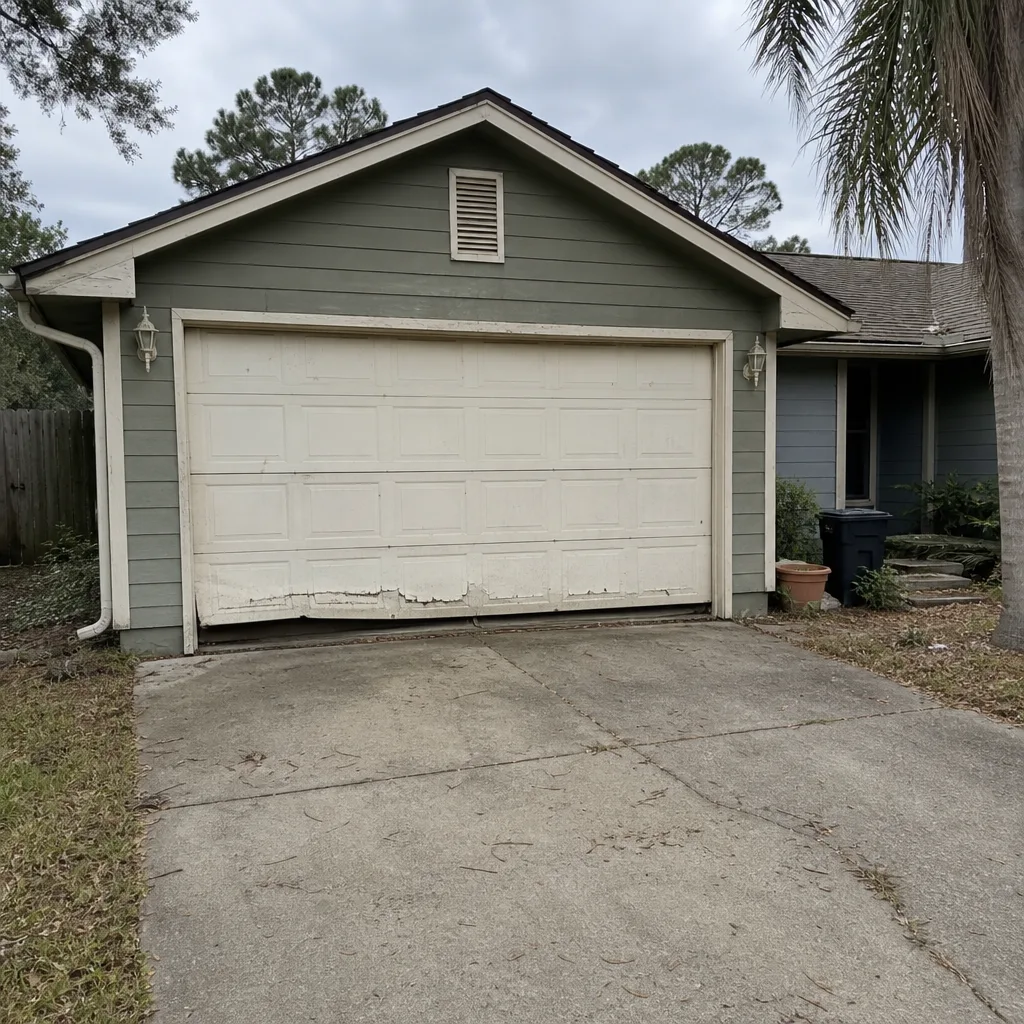 Before
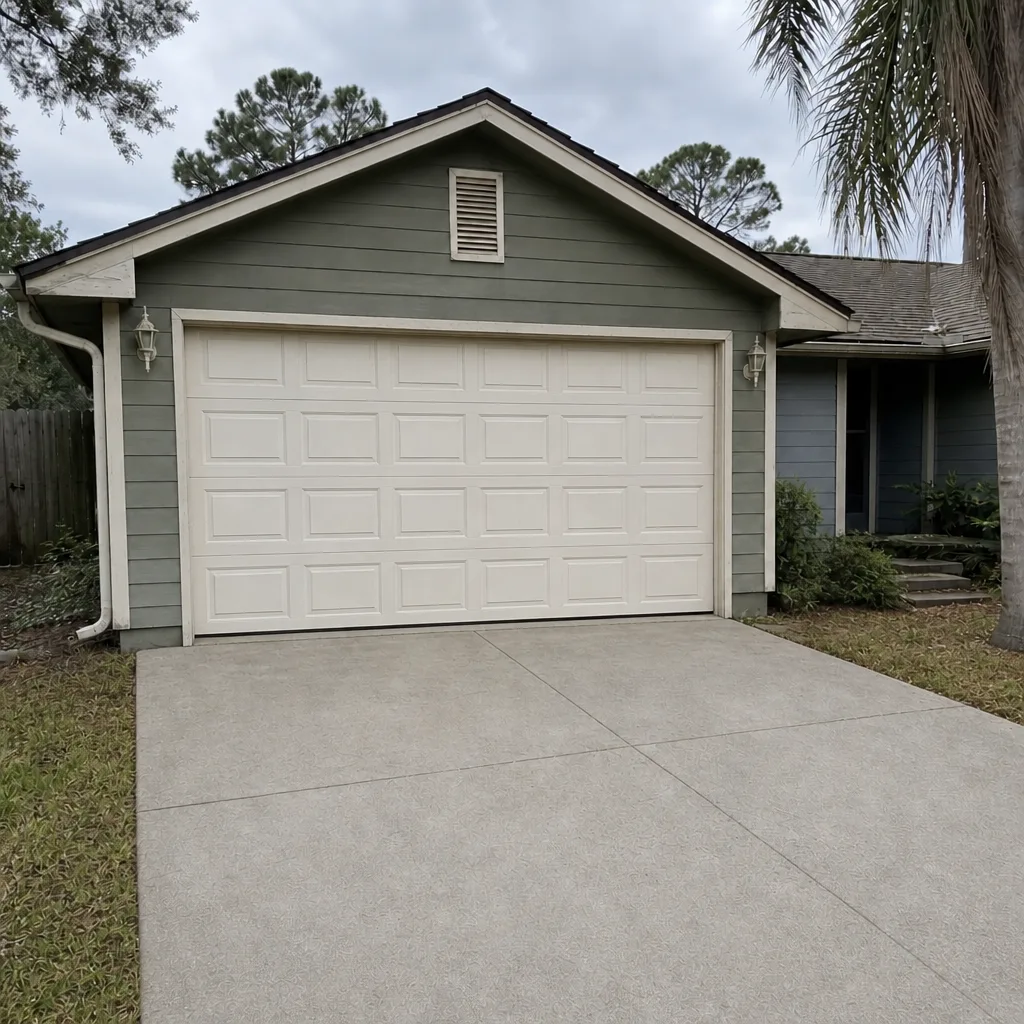 After
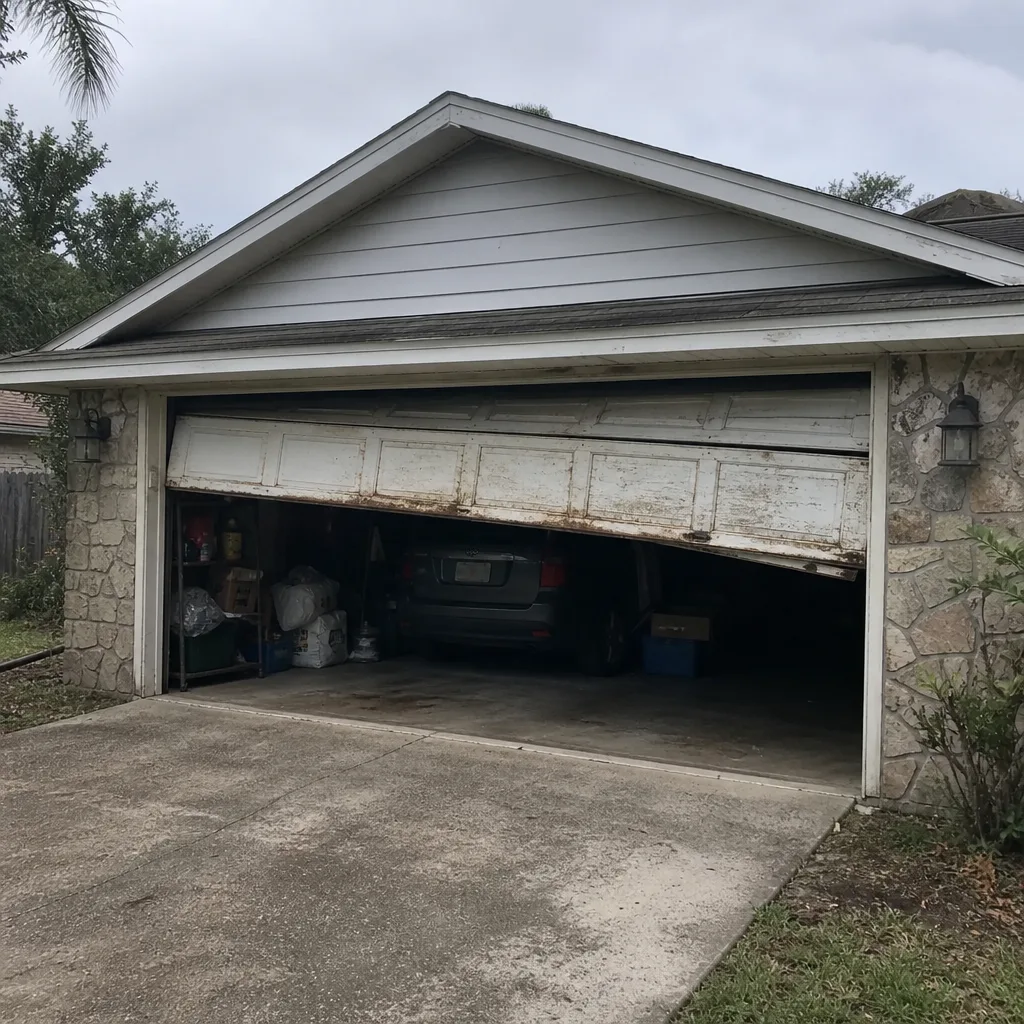 Before
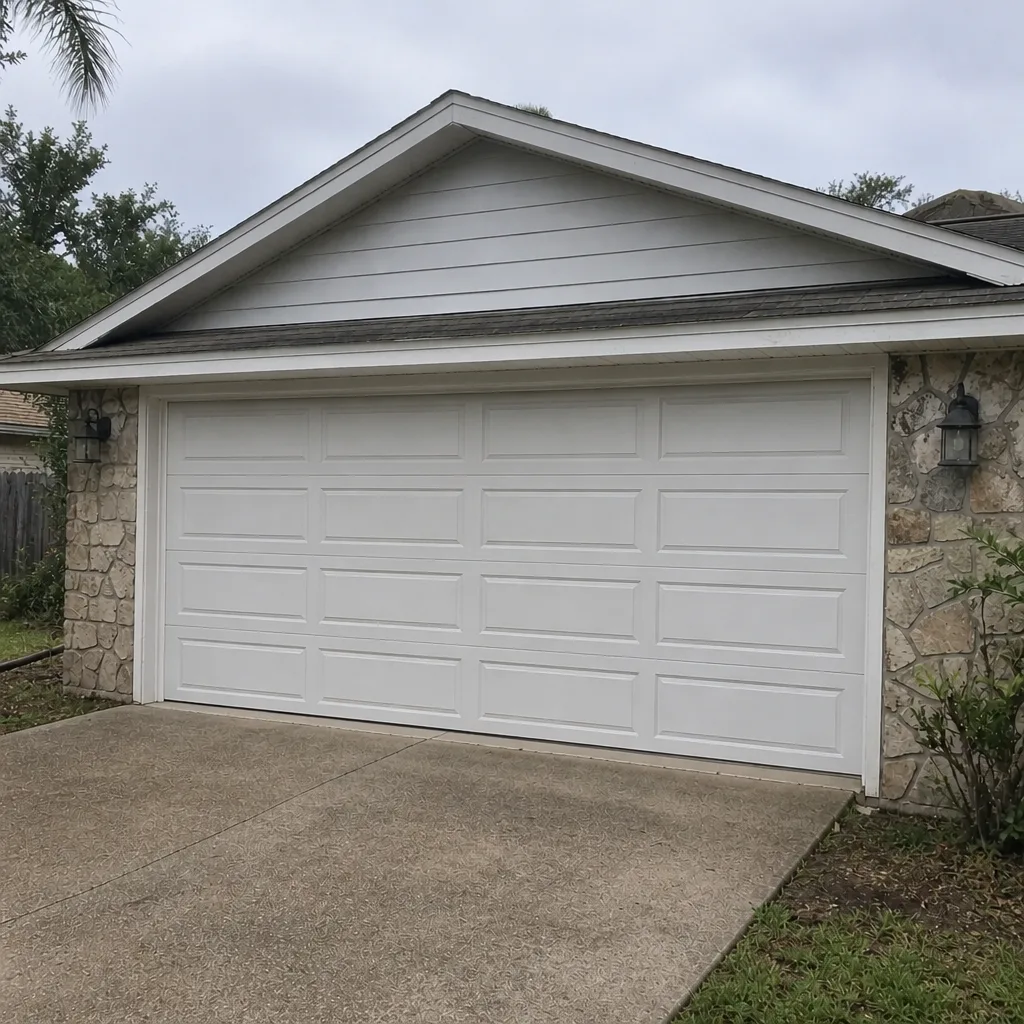 After
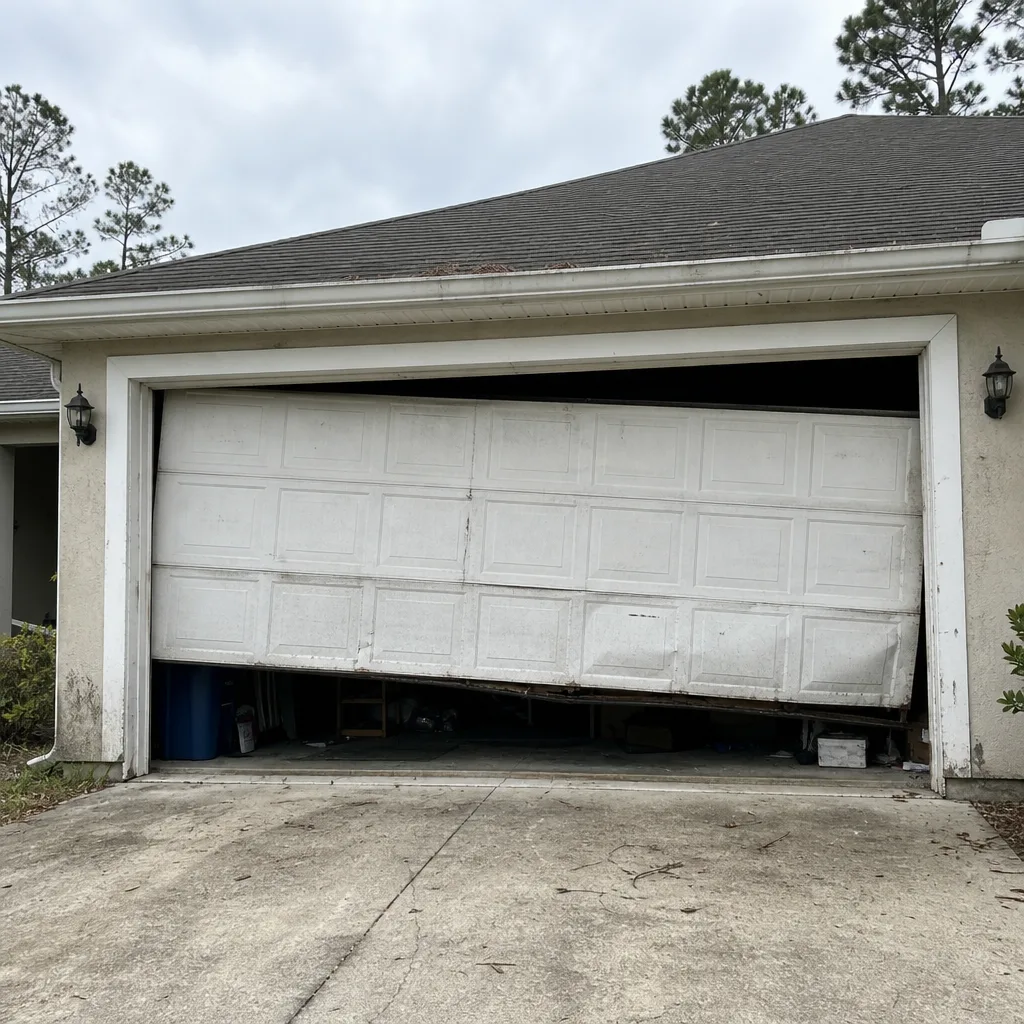 Before
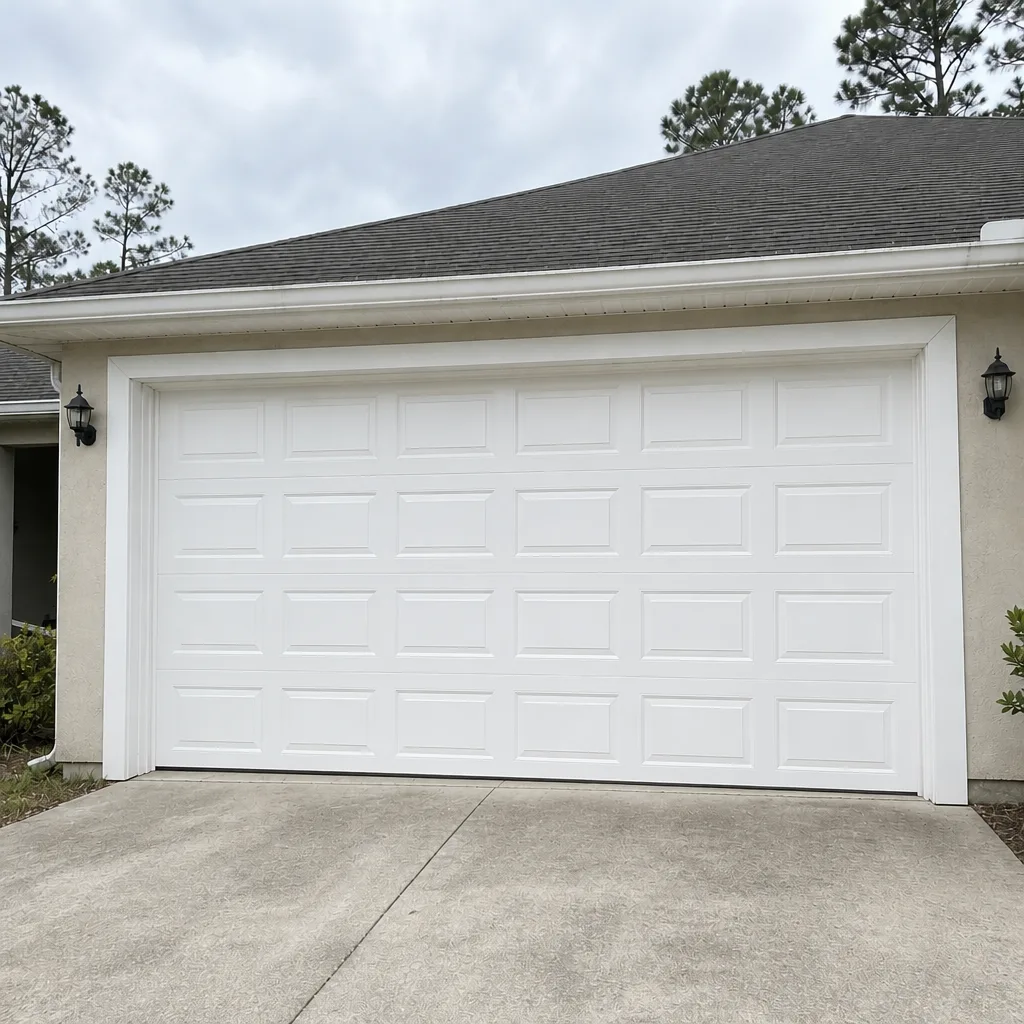 After